Agrivoltaics (Agri-PV) Dual-Use Solar Farming Guide 2026
By PSI Editorial · 18 min read · Updated September 2026
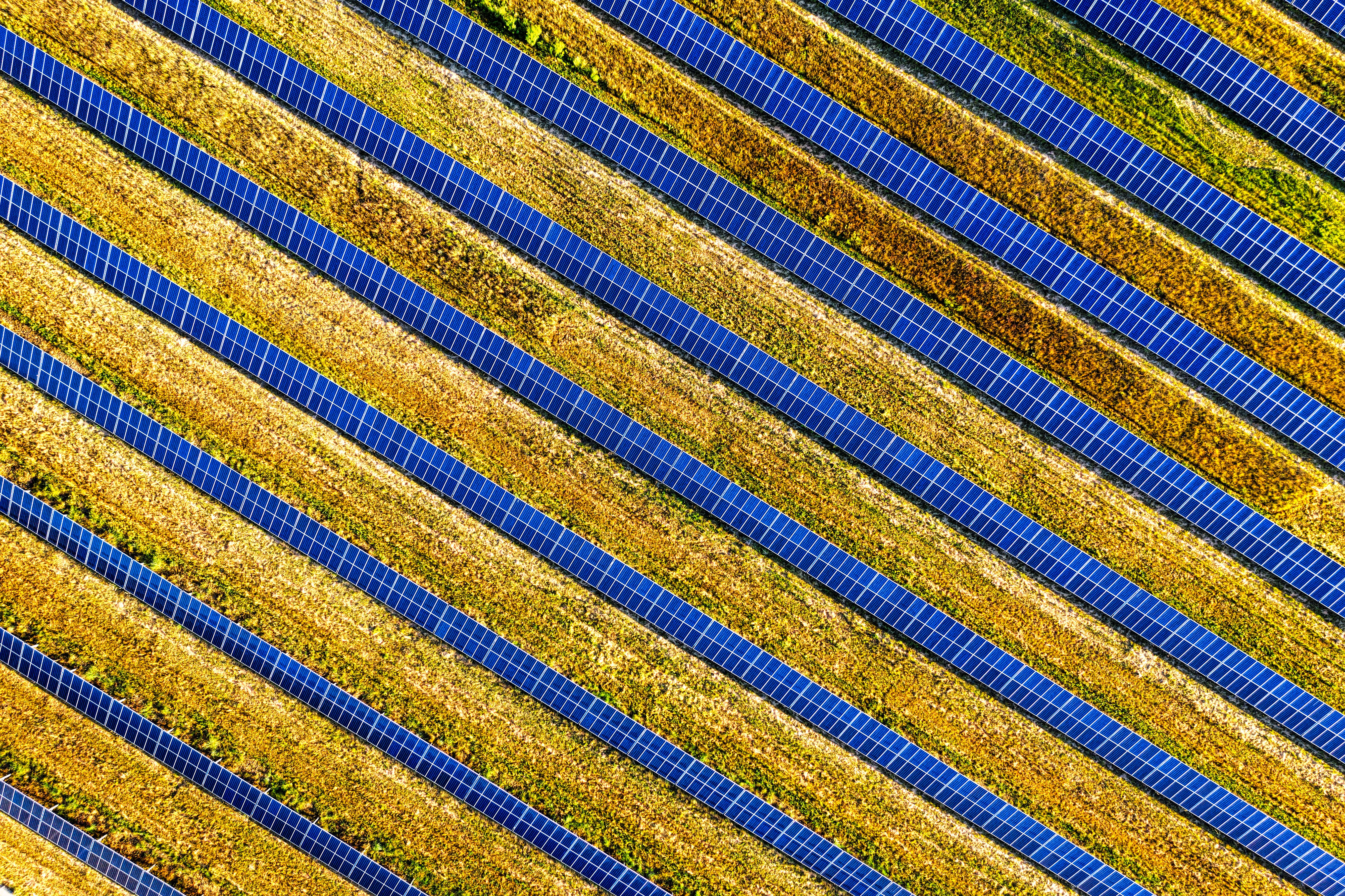
⚡ Agrivoltaic Fast Facts (Global 2026)
- Land Efficiency: Delivers a Land Equivalent Ratio (LER) of 1.60 to 1.85 (+60% more yield).
- Water Conservation: Slashes agricultural soil evapotranspiration by up to 35%.
- Tractor Clearance: Elevated 3.0m to 3.5m structures permit full mechanical harvesting.
- Global Standard: Fully standardized under DIN SPEC 91434 Category I/II.
Atomic Summary: Agrivoltaics (Agri-PV) solves the global competition between clean energy expansion and agricultural food security by combining solar electricity generation and crop cultivation on the exact same land. By filtering excessive midday solar radiation, protecting crops from hailstorms and heatwaves, and reducing irrigation water demand, agrivoltaic systems boost total land productivity by over 60%. Master PAR spectrum sharing, structural clearance engineering, and crop yield optimization.
Complete Crop Suitability & Yield Matrix under Agri-PV
| Agricultural Crop Category | Representative Crops | Optimal Shading Ratio | Crop Yield Impact (%) | Irrigation Water Savings |
|---|---|---|---|---|
| Soft Fruits & Berries | Strawberries, Blueberries, Raspberries | 30% to 40% Shading | +8% to +15% (Zero sunburn cull) | 25% to 30% Saved |
| Leafy Greens & Brassicas | Lettuce, Spinach, Kale, Celery | 35% to 50% Shading | +10% to +20% (Prevents early bolting) | 30% to 35% Saved |
| Nightshades & Tubers | Potatoes, Tomatoes, Peppers, Onions | 20% to 30% Shading | ±0% to +5% (High quality) | 20% to 25% Saved |
| Light-Demanding Cereals | Corn / Maize, Sunflowers, Wheat | < 15% Shading (Wide pitch only) | -10% to -15% Yield Drop | 10% to 15% Saved |
Frequently Asked Questions
How does underlying agricultural vegetation increase solar panel efficiency?
Through plant transpiration, crops release cool water vapor into the air beneath the solar panels, reducing ambient air temperature by 5°C to 10°C. Because solar cells operate more efficiently at lower temperatures, agrivoltaic panels generate **2% to 4% more electricity** than identical panels over dry bare gravel.
What is Dynamic Agri-PV Tracking?
In a Dynamic Agri-PV system, smart single-axis trackers use astronomical sun tracking optimized for crops: during critical crop growth windows or after heavy rain, the panels rotate vertical to allow 100% direct sunlight to reach the plants or dry out soil moisture to prevent fungal mold.
Related: Bifacial Albedo Guide · 1500V Utility Guide · Solar Calculator