Why Are Bi-Facial Solar Panels Better for Flat Roofs?
By PSI Editorial • June 8, 2026
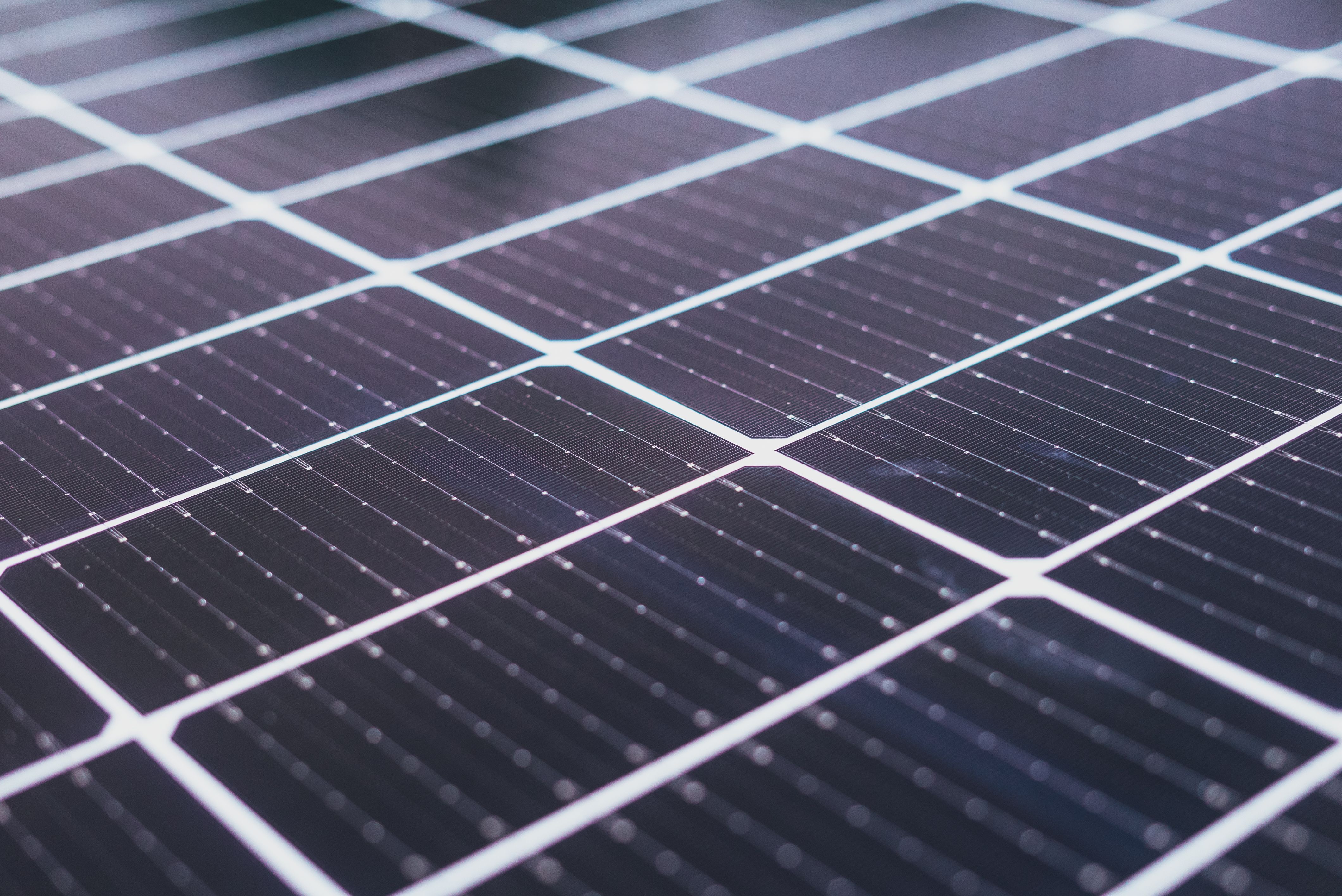
Atomic Summary: Bi-facial solar panels feature glass on both their front and back sides, allowing them to absorb sunlight that reflects off your roof. When installed on flat roofs painted white or covered in reflective chips, they leverage the albedo effect to generate up to 20% more electricity than standard mono-facial panels.
If you are currently sourcing quotes from local solar companies in Lahore, Karachi, or Islamabad, you have likely encountered the term "Bi-Facial". Installers love to upsell this technology, claiming it will magically double your output and eliminate your WAPDA or K-Electric bills overnight. But what exactly is a bi-facial solar panel, and does it justify the premium price tag in Pakistan's dusty, high-heat environment?
In this guide, we dive deep into the science behind bi-facial technology, the critical "Albedo Effect," and whether it actually makes financial sense when combined with standard hybrid inverters like Solis or Growatt.
Understanding the Science: How Bi-Facial Panels Work
Traditional solar panels (mono-facial) have an opaque backsheet—usually made of white or black polymer. Light enters from the front, hits the silicon cells, and generates DC electricity. Any sunlight that misses the cells or bounces off the ground behind the panel is completely wasted.
A Bi-Facial panel replaces that opaque backsheet with a layer of transparent tempered glass. This dual-glass construction allows the solar cells to absorb direct sunlight from the front while simultaneously absorbing indirect, reflected sunlight from the back. In simple terms, it's a two-sided solar panel.
💡 PRO TIP: The dual-glass design of bi-facial panels also makes them physically stronger and less prone to micro-cracks. Because of this, Tier-1 brands often offer a 30-year linear power warranty for bi-facial modules, compared to the industry-standard 25 years for mono-facial panels.
The Secret Sauce: The Albedo Effect
The entire premise of bi-facial technology relies on one crucial scientific principle: The Albedo Effect. Albedo is a measure of how much light a surface reflects. If your roof absorbs all the light, there is nothing for the back of the solar panel to collect. If your roof reflects light like a mirror, the back of the panel goes into overdrive.
Here is a breakdown of how different roof surfaces in Pakistan impact the albedo effect and the resulting bi-facial energy gain:
| Roof Surface Material | Albedo Rating (Reflectivity) | Expected Energy Gain | | :--- | :--- | :--- | | Standard Dark Concrete | 10% - 15% | Minimal (2% - 4%) | | Dusty / Muddy Rooftop | 5% - 10% | Poor (0% - 2%) | | Red Brick / Terracotta | 20% - 25% | Moderate (4% - 7%) | | White Marble Chips | 50% - 60% | Excellent (10% - 15%) | | White Reflective Paint | 70% - 85% | Maximum (15% - 20%) |As the table demonstrates, simply buying bi-facial panels is not enough. To unlock their true potential, you must pair them with a highly reflective surface. In Pakistan, the most cost-effective way to achieve this is by applying a coat of white elastomeric roof coating or scattering white marble chips directly beneath the panel array.
When Do Bi-Facial Panels Make Sense in Pakistan?
Pakistan suffers from intense heat, heavy dust, and frequent WAPDA load-shedding. The decision to invest in bi-facial technology largely depends on your roof's architecture and your budget.
1. The Ideal Scenario: Flat Concrete Roofs
Most urban homes in Pakistan feature flat, reinforced concrete roofs. This is the absolute best-case scenario for bi-facial panels. To optimize the setup, you must install the panels on an elevated mounting structure (at least 1 to 1.5 meters off the ground). This elevation allows sunlight to penetrate beneath the array, bounce off the white-painted concrete, and strike the rear glass of the panels.
2. The Worst Scenario: Slanted Roofs
If you are installing panels flush against a slanted roof (common in northern areas or certain modern architectural designs), bi-facial panels are a waste of money. When mounted flush against tiles or shingles, zero light can pass underneath the panel to bounce back up. In this setup, a premium bi-facial panel will perform identically to a cheaper mono-facial panel.
🚨 CRITICAL ALERT: Do not let a shady installer sell you bi-facial panels for a flush-mount slanted roof. You will pay a 15% premium for technology that is physically incapable of working. Always demand standard mono-facial panels for flush installations.
Financial Comparison: Bi-Facial vs. Mono-Facial
Let's look at the financial math. While prices fluctuate based on the PKR to USD exchange rate and international silicon costs, bi-facial panels generally cost 10% to 15% more than their mono-facial counterparts.
If you are installing a standard 10kW system (capable of running 2 inverter ACs and basic load) and utilizing Meezan Bank Solar Financing, the difference looks like this:
- Mono-Facial System Cost: Approx. PKR 1,200,000
- Bi-Facial System Cost: Approx. PKR 1,350,000 (includes specialized elevated mounting structures and white paint)
While the upfront cost is higher, a properly optimized bi-facial system can yield up to 20% more electricity. Over a 30-year lifespan, this extra yield compounds into massive savings, effectively shortening your ROI timeframe by 12 to 18 months. When WAPDA electricity rates are continuously rising, squeezing every last drop of efficiency out of your rooftop footprint is the smartest financial play.
3 Steps to Maximize Bi-Facial Performance
If you have decided to pull the trigger on a bi-facial setup, follow these three non-negotiable steps to ensure you aren't throwing your money away:
Step 1: Elevate the Racking Structure
Do not mount the panels close to the ground. Demand that your installer fabricates custom elevated steel frames that lift the lowest edge of the panels at least 1 meter high. This allows ample ambient light to reach the rear glass.
Step 2: Paint the Roof White
Invest a few thousand rupees in standard white elastomeric waterproof paint. A glossy white roof reflects up to 80% of sunlight. This simple DIY project guarantees the maximum 15-20% rear-side energy yield.
Step 3: Keep the Space Clear
Do not store old furniture, water tanks, or UPS batteries directly underneath your panels. Any shadows cast on the roof beneath the array will nullify the albedo effect. Treat the area under your panels like a sacred reflector.
For the best panel choices on the market right now, check out our updated Top 5 Tier-1 Panels guide and ensure you pair them with a high-quality inverter to handle the increased current output.
Frequently Asked Questions
Are bi-facial solar panels worth the extra cost in Pakistan?
Yes, if you have a flat concrete roof and elevate the panels properly. They cost 10-15% more but can yield up to 20% more energy, resulting in a faster ROI and shorter payback period against expensive WAPDA bills.
Do bi-facial panels work on slanted or pitched roofs?
No, if you mount bi-facial panels flush against a slanted roof, no light can bounce underneath. In this scenario, they operate exactly like cheaper mono-facial panels, making the extra investment worthless.
How can I maximize the albedo effect on my roof?
You can maximize the albedo effect by painting your roof with white reflective elastomeric paint, laying down white marble chips, or using white tiles. Elevating the panels at least 1-2 meters above the surface is also strictly required.