Why You Need a DC Breaker for Solar Panels in Pakistan
By PSI Editorial • June 8, 2026
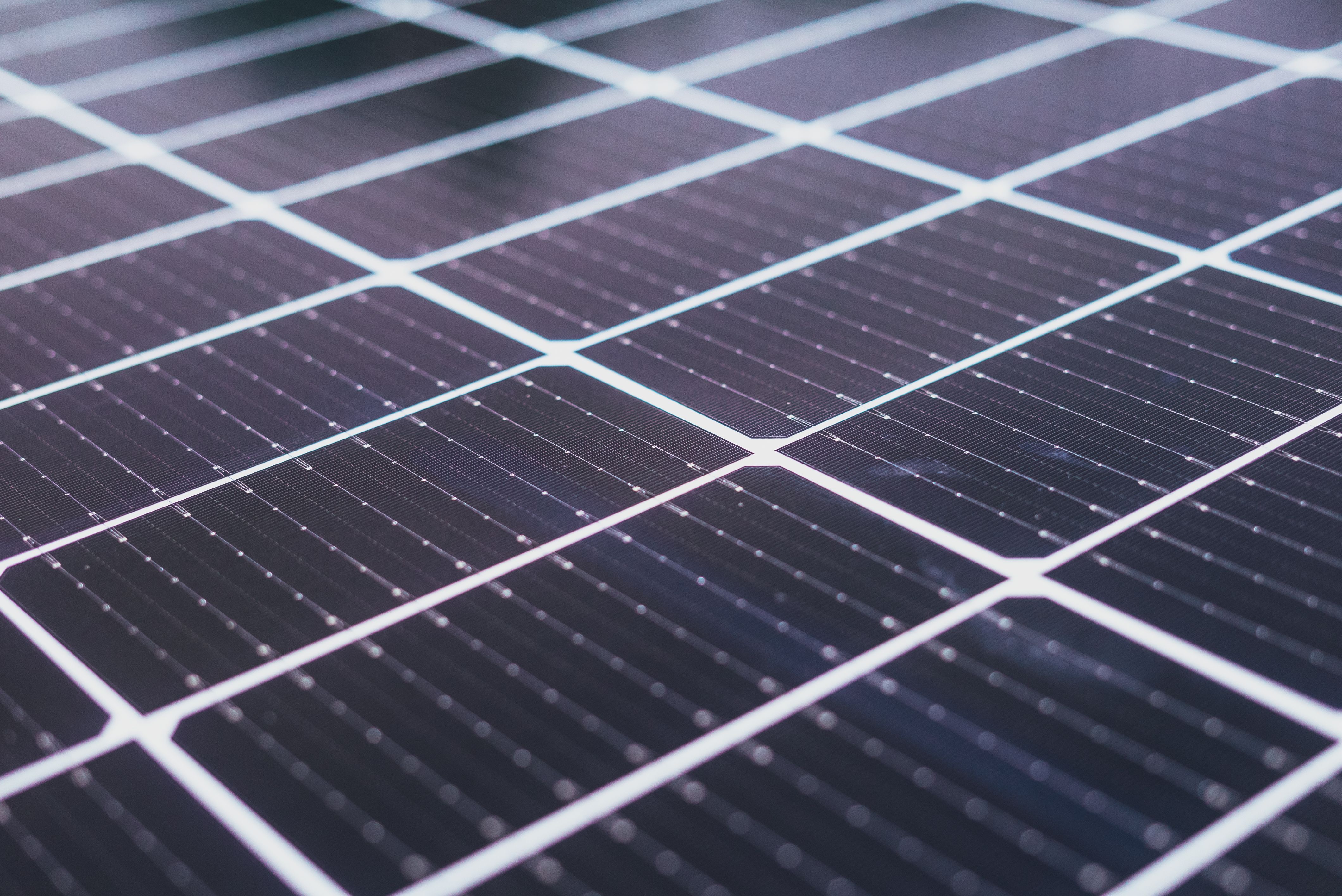
Atomic Summary: Solar panels produce high-voltage Direct Current (DC) that cannot be safely interrupted by standard household AC breakers. DC breakers contain specialized magnetic arc-extinguishing chutes that force the electrical arc to break when the circuit is opened. Using a cheap AC breaker on DC solar wires creates a sustained 5,000°C plasma arc that melts the breaker and causes house fires.
A disturbingly common practice among budget electricians in Pakistan is installing PKR 100 to 200 household AC breakers on the thick DC cables running from rooftop solar panels down to the inverter. They look the same, they fit the same DIN rail, and they seem to work fine — until someone tries to switch them off under load. That is when the fire starts.
This article explains the physics behind why AC and DC breakers are completely different devices, how to select the right DC breaker for your system, and what other DC protection components your solar installation needs.
The Physics: Why AC Breakers Fail on DC Circuits
To understand why this matters, you need to understand how electrical arcs work in each type of current:
How AC Breakers Extinguish Arcs
Alternating Current (AC) from WAPDA naturally crosses through zero voltage 100 times per second (50Hz cycle, zero crossing twice per cycle). When an AC breaker opens its contacts, the arc that forms is naturally extinguished at the very next zero-crossing moment. The breaker simply needs to hold the contacts apart long enough for the next zero crossing — which happens within 10 milliseconds. This is why AC breakers can be small, cheap, and simple.
Why DC Arcs Are Deadly
Direct Current (DC) from solar panels flows in one constant direction at a constant voltage. There is no zero crossing. Ever. When you try to open an AC breaker on a DC circuit, the current does not stop at the contact gap. Instead, it ionizes the air between the separating contacts and creates a sustained plasma arc. This arc can reach temperatures of 5,000°C — hot enough to melt copper, steel, and the plastic breaker housing in seconds.
The result: the breaker melts, the wiring insulation catches fire, and the fire spreads to your ceiling or roof within minutes. Because solar panels continue generating DC power as long as sunlight hits them, you cannot simply "turn off" the source. The arc continues to burn until the panels are physically covered or the sun sets.
DC Breaker vs. AC Breaker: Technical Comparison
| Feature | AC Breaker (MCB) | DC Breaker (DC MCB) |
|---|---|---|
| Arc Extinction Method | Relies on natural AC zero-crossing | Magnetic blowout coils and arc chutes |
| Typical Voltage Rating | 230V to 400V AC | 500V to 1000V DC |
| Contact Gap | Small (sufficient for AC) | Large (extended travel to stretch the arc) |
| Arc Chute Design | Simple or none | Multiple steel plates that split and cool the arc |
| Cost in Pakistan | PKR 100 to 300 | PKR 800 to 3,000 |
| Can Handle Solar Panel DC? | No — fire hazard | Yes — designed for it |
A proper DC breaker contains magnetic blowout coils that generate a magnetic field to deflect the arc into a series of steel arc-splitter plates. These plates divide the single arc into many smaller arcs, dramatically increasing the total arc voltage until it exceeds the system voltage and the arc collapses. This is how DC breakers safely interrupt circuits that have no natural zero crossing.
DC Breaker vs. DC Isolator: Both Are Required
Many people confuse these two devices. Your solar installation needs both:
| Component | DC Circuit Breaker | DC Isolator (Disconnect Switch) |
|---|---|---|
| Primary Function | Automatic overload and short-circuit protection | Manual disconnection for maintenance |
| Tripping | Automatic (thermal-magnetic) | Manual only (no automatic trip) |
| When Used | Always active, protects wiring 24/7 | Used when servicing inverter or panels |
| Location | Inside the DC combiner box | Between panels and inverter (often near inverter) |
| Typical Rating | 800V to 1000V DC, 16A to 32A | 1000V DC, 32A |
Alert: A DC isolator alone is NOT sufficient protection. It will not automatically trip during a short circuit. You need a DC breaker to protect your wiring from overcurrent, and a DC isolator to safely disconnect the system for maintenance.
How to Select the Right DC Breaker
Step 1: Calculate Your Maximum String Voltage
Check the nameplate on your solar panels for the Open Circuit Voltage (Voc). Multiply Voc by the number of panels in series. For example: 10 panels with Voc of 46V each = 460V DC maximum string voltage. In cold morning conditions, Voc increases by approximately 10%, so actual maximum could be around 506V.
Step 2: Choose a Breaker Voltage Rating
Your DC breaker must be rated higher than your maximum string voltage. For a 460V string with cold-weather correction, use an 800V or 1000V DC-rated breaker. Never use a breaker rated at exactly your string voltage — always provide at least a 30% margin.
Step 3: Choose the Current Rating
Check the Short Circuit Current (Isc) on your panel nameplate. For a single string, the breaker current rating should be 1.25 times the Isc. For most residential panels (Isc around 14A to 18A), a 20A to 25A DC breaker is appropriate per string.
Step 4: Verify Polarity
DC breakers are polarity-sensitive. The positive (+) and negative (-) terminals must be connected correctly. Reversing polarity prevents the magnetic blowout mechanism from working, defeating the entire purpose of the breaker.
Complete DC Protection Layout for a Residential System
A properly protected residential solar system in Pakistan should have the following DC protection chain from panels to inverter:
- MC4 Fuse Connectors (optional but recommended) — inline fuses on each panel string for individual string protection
- DC Combiner Box — contains individual DC breakers for each string plus a main DC breaker for the combined output
- DC Surge Protection Device (SPD) — protects against lightning-induced voltage spikes, critical during Pakistan's monsoon season
- DC Isolator Switch — manual disconnect switch, installed near the inverter for safe maintenance access
- Inverter DC Input — the inverter's built-in MPPT tracker inputs
Warning: Skipping any of these components to save a few thousand rupees is not worth the risk. The total cost of proper DC protection components (breakers, isolator, SPD, combiner box) is typically PKR 8,000 to 15,000 — a fraction of your total system cost and infinitely cheaper than rebuilding a fire-damaged roof.
Red Flags: Signs Your Installer Used Wrong Breakers
If your system is already installed, check for these warning signs:
- The breaker housing says "230V AC" or "400V AC" but no DC rating is mentioned
- The breaker is the same type used in your household DB (Distribution Board) for lights and fans
- The breaker cost less than PKR 200 each
- There is only one breaker between all your panels and the inverter (should be one per string)
- You see browning, melting, or burn marks on the breaker housing or wires
- You hear a buzzing or crackling sound when the system is operating
If you notice any of these signs, immediately contact a qualified solar electrician to replace the breakers with proper DC-rated units before a fire occurs.
Recommended DC Breaker Brands Available in Pakistan
Stick to reputable brands that carry proper international certifications (IEC 60947-2, TUV, or UL):
- Schneider Electric — Acti9 C60H-DC series (widely available)
- ABB — S800PV-S series (premium option)
- Noark — Ex9BHS DC series (good value)
- GEYA — GYM9 DC series (budget-friendly, TUV certified)
Avoid unbranded or Chinese-market breakers that claim DC ratings but lack third-party certification. These are commonly sold in Lahore's Hall Road and Karachi's Saddar markets at suspiciously low prices.
For more critical safety information about solar installation hazards, read our investigation into why solar inverters explode in Pakistan.
Frequently Asked Questions
What happens if I use an AC breaker on solar DC wires?
AC breakers cannot safely extinguish DC arcs. When you try to switch off DC power with an AC breaker, the current continues to arc across the opening contacts, creating a sustained plasma arc that reaches 5,000°C. This melts the breaker housing, ignites nearby wiring insulation, and can cause a full house fire. AC breakers rely on the natural zero-crossing of AC current to extinguish arcs, which does not exist in DC circuits.
What voltage rating do I need for my DC breaker?
Your DC breaker must be rated equal to or higher than the maximum open-circuit voltage (Voc) of your solar panel string. For most residential systems in Pakistan using 8 to 12 panels in series, this is typically 400V to 600V DC. Always use a breaker rated for at least 800V to 1000V DC to provide a safety margin for cold-morning voltage spikes when Voc increases.
What is the difference between a DC breaker and a DC isolator?
A DC circuit breaker automatically trips to protect the circuit during an overload or short circuit. A DC isolator is a manual switch used to physically disconnect the panels from the inverter for safe maintenance. Both are required in a properly installed solar system. The breaker provides automatic protection while the isolator provides safe manual disconnection.