Does Dust on Solar Panels Really Reduce Power by 30%? A 2026 Deep Dive
By PSI Editorial • June 8, 2026
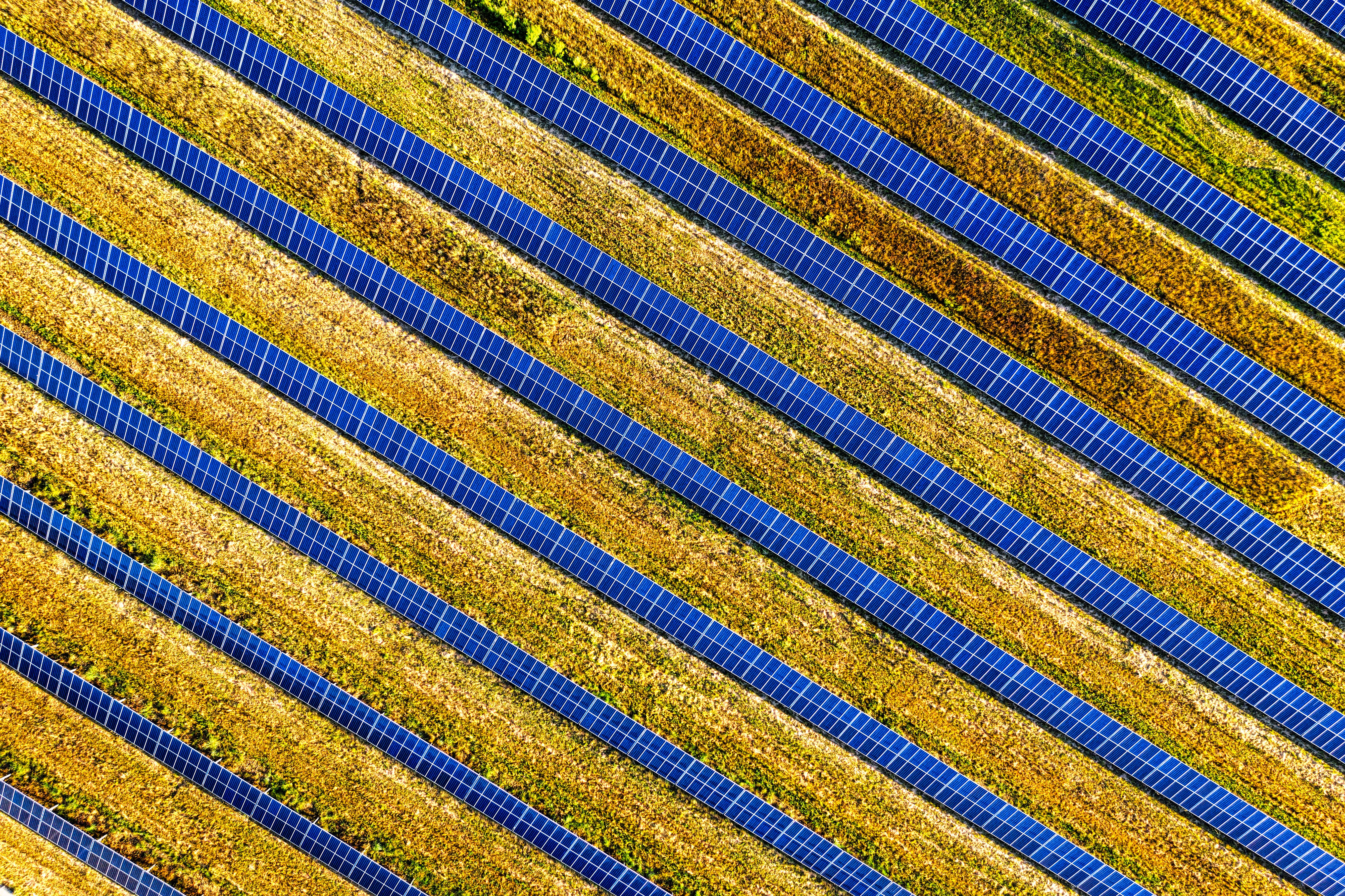
Atomic Summary: Yes, severe dust accumulation (known technically as "soiling loss") can reduce your solar panel's power generation by up to 30% in Pakistan. Dirt physically blocks photons from reaching the silicon PV cells, leading to decreased voltage, thermal hotspots, and significant financial losses on your WAPDA or K-Electric net metering bill. Routine cleaning using low-TDS water can restore full MPPT efficiency and maximize your Meezan Bank financing ROI.
In sprawling metropolises like Karachi, Lahore, and Faisalabad, the environment is characterized by rapid urbanization, industrial emissions, and persistent dry spells. If you own a solar system, you have likely noticed a thick layer of yellowish-brown dust settling on your panels within just three days of installation. While many system owners brush this off as a minor inconvenience, ignoring it can drastically compromise the performance of your expensive Tier-1 panels like Jinko, Longi, or Canadian Solar.
But does this dust really warrant a bi-weekly climb onto the roof? Is it possible that just a little dirt could severely sabotage your return on investment? Let us dive deep into the science of soiling loss, the exact financial implications in Pakistani Rupees (PKR), and the absolute best practices for Pakistani homeowners wanting to maximize their grid exports.
Understanding the Science of Soiling Loss
Soiling loss is the industry term for energy reduction caused by dirt, dust, bird droppings, agricultural chaff, and industrial pollution accumulating on the surface of photovoltaic (PV) modules. Solar panels generate electricity by allowing photons (light particles) to knock electrons free from atoms within the silicon cells. This flow of electrons creates direct current (DC) electricity which is then fed into your inverter.
When dust coats the anti-reflective glass of your panels, it acts as a physical barrier. The thicker the layer of dust, the fewer photons penetrate the glass. The relationship is direct, measurable, and scientifically proven. Research conducted in Pakistan’s major cities—including extensive studies in Islamabad, Multan, and Bahawalpur—shows that soiling can slash power output by anywhere from 10% to 30%. In fact, studies done by local universities in 2025 demonstrated that during Lahore's intense winter smog season, particulate matter on panels could drop efficiency by a staggering 35%.
Alert: The Hotspot DangerDust doesn't just block light; it traps heat. Panels covered in dirt experience altered thermal dynamics, causing them to operate at significantly higher temperatures. This localized heating creates "hotspots." Not only does this heat degrade performance (due to the high temperature coefficient of silicon), but severe hotspots can permanently damage the solar cells, potentially voiding your 25-year Tier-1 performance warranty.
The Financial Impact: WAPDA and K-Electric Net Metering Losses
Let’s contextualize this power loss into actual Pakistani Rupees (PKR). Suppose you have invested heavily via a Meezan Bank solar financing plan in a premium 10kW system equipped with an advanced hybrid inverter (like Solis or Growatt) and Tier-1 bifacial panels.
Under optimal conditions, a 10kW system in Pakistan produces roughly 1,200 to 1,400 units (kWh) per month. If you are net metering with WAPDA or K-Electric, these exported units dictate your savings, your bank installment ease, and your ultimate return on investment (ROI).
- Clean System: 1,300 units generated.
- 15% Soiling Loss (Moderate Dust): 1,105 units generated. (Loss of 195 units/month)
- 30% Extreme Soiling Loss (Heavy Dust/Smog): 910 units generated. (Loss of 390 units/month)
If we value a unit of electricity at an average of PKR 45 (blended peak/off-peak rate), a 30% loss equates to nearly PKR 17,550 lost every single month. Over a typical dry season lasting six months, you could be losing over PKR 100,000 simply because of dirty panels. This significantly hampers your ability to pay off your initial investment. For users with large 20kW setups, the losses easily cross PKR 250,000 annually. Suddenly, a little dust on the roof is a massive financial leak.
How Inverters React to Dust: MPPT Confusion
When you have a string of solar panels connected to a high-quality inverter like a Huawei, Solis, or Growatt, the inverter uses Maximum Power Point Tracking (MPPT) to constantly adjust the voltage and current to pull the maximum possible power from the panels.
When panels are uniformly dusty, the MPPT simply adjusts to the lower current. However, if dust is uneven—perhaps due to bird droppings or localized construction dust on just a few panels—the MPPT gets confused. It struggles to find the optimal power point because some panels are trying to push high current while the dirty panels act as bottlenecks. This mismatch causes the entire string's output to plummet, far beyond the isolated shading of the dirty panel.
Comparative Analysis: Impact of Dust by City
Pakistan’s varying topography and climate mean that soiling loss affects cities differently. Here is a comparative table detailing the dust impact across major regions:
| City / Region | Primary Dust Sources | Est. Monthly Soiling Loss | Recommended Cleaning Frequency | |---|---|---|---| | **Karachi** | Industrial pollution, sea salt spray, high humidity | 15% - 25% | Every 10-15 Days | | **Lahore** | Heavy winter smog, construction dust, agricultural burning | 20% - 35% | Weekly during Smog Season | | **Islamabad** | Moderate dust, high pollen in spring (Margalla Hills) | 5% - 15% | Every 3-4 Weeks | | **Multan / Bahawalpur** | Dry, arid climate, frequent windstorms and sand | 25% - 40% | Every 7-10 Days | | **Peshawar** | Traffic emissions, dry spells, brick kilns | 20% - 30% | Every 10-14 Days |Step-by-Step Guide: How to Clean Your Solar Panels Properly
To preserve your system's efficiency and ensure your net metering credits stay high, you must adopt a proper cleaning regimen. Hosing them down haphazardly can cause more harm than good, especially considering the hard water issues prevalent in Pakistan. Follow these precise steps:
Step 1: Monitor Your Inverter App
Do not just guess when to clean. Use your inverter's mobile application (like SolisCloud, ShinePhone, or FusionSolar) to monitor your daily generation. If you notice a steady, unexplained 10-15% drop in output over a week of clear, sunny weather compared to the previous week, it is time to clean.
Step 2: Choose the Right Time of Day
This is absolutely critical: Never clean your panels during peak sunlight hours. Solar panels in the Pakistani afternoon sun can reach surface temperatures exceeding 65°C. Spraying cold tap water on hot tempered glass will cause severe thermal shock, leading to micro-cracks or complete shattering of the module. Always clean in the early morning (before 8 AM) or late evening (after sunset).
Step 3: Disconnect the System for Safety
Safety first. Before putting water on electrical equipment, go to your DB box and turn off the DC breaker that isolates the panels from the inverter. This prevents any risk of electrical shock in case there is exposed wiring or ground faults.
Step 4: Use Low-TDS Water and Appropriate Tools
Tap water in many Pakistani cities has very high Total Dissolved Solids (TDS). Hard water leaves mineral deposits (calcium and magnesium) on the glass when it dries, which can be just as bad as dust. Ideally, use filtered water, or ensure you dry the panels quickly. Avoid abrasive materials like hard-bristle brooms, which will scratch the anti-reflective coating. Use a soft microfiber mop attached to an extension pole. Mix a mild, non-abrasive soap with water if needed. Do not use harsh detergents, bleach, or high-pressure washers.
Step 5: Rinse and Squeegee Dry
Thoroughly rinse the panels with clean water to remove any soap residue. Because of the hard water issue, it is highly advisable to use a high-quality rubber squeegee to wipe the panels dry immediately. This prevents the mineral streaks from forming and ensures maximum photon absorption.
Important Tip: Inverter MaintenanceWhile you are maintaining the panels, do not forget the inverter. Dust buildup in the inverter's cooling vents can cause the VFD (Variable Frequency Drive) or internal components to overheat. When the inverter overheats, it protects itself by "derating" or throttling power output. Use a soft brush or compressed air to keep the inverter vents completely clear.
Are Automatic Solar Cleaning Robots Worth It?
In recent years, local markets in Pakistan have introduced automated solar panel cleaning robots. These range from water-fed rotating brushes to fully autonomous waterless wiping robots.
For large commercial or industrial setups (50kW and above), these robots are an excellent investment. However, for a standard 10kW to 15kW residential system, the ROI on a PKR 150,000+ cleaning robot is questionable. The simplest, most cost-effective method remains a long extension pole with a soft microfiber head and manual labor, or hiring a local solar maintenance service for a small monthly fee.
The Verdict: Is Cleaning Worth the Hassle?
The numbers speak for themselves. The physical accumulation of dust is a relentless enemy of solar efficiency in Pakistan. The 30% reduction figure is not a myth; it is a scientifically documented reality in highly polluted or arid regions like Lahore and Multan.
Investing in a monthly professional cleaning service (which typically costs between PKR 1,500 to PKR 3,000 depending on system size) is entirely justified when compared to the thousands of rupees you stand to lose in ungenerated electricity. By establishing a strict cleaning schedule, you maximize your solar yield, protect your net metering credits against WAPDA tariffs, and ensure the long-term health of your Tier-1 solar investment.
Frequently Asked Questions (FAQ)
How much efficiency is lost due to dust on solar panels in Pakistan?
Dust accumulation, also known as soiling loss, can reduce solar panel efficiency by 10% to 30% in dusty cities like Karachi, Lahore, and Multan. In extreme cases, losses can reach up to 50%.
How often should I clean my solar panels for optimal WAPDA net metering?
In dry and dusty seasons, it is recommended to clean your panels every 10 to 15 days. During milder seasons with occasional rain, once a month is sufficient to keep your K-Electric or WAPDA net metering credits high.
Can I use cold water to clean my solar panels during the day?
No. Never use cold water on hot panels during peak sunlight. The sudden thermal shock can cause the tempered glass to shatter. Always clean them early in the morning or late in the evening.