Should You Keep Your Old WAPDA UPS After Installing Solar? (Pakistan Guide)
By PSI Editorial • June 8, 2026
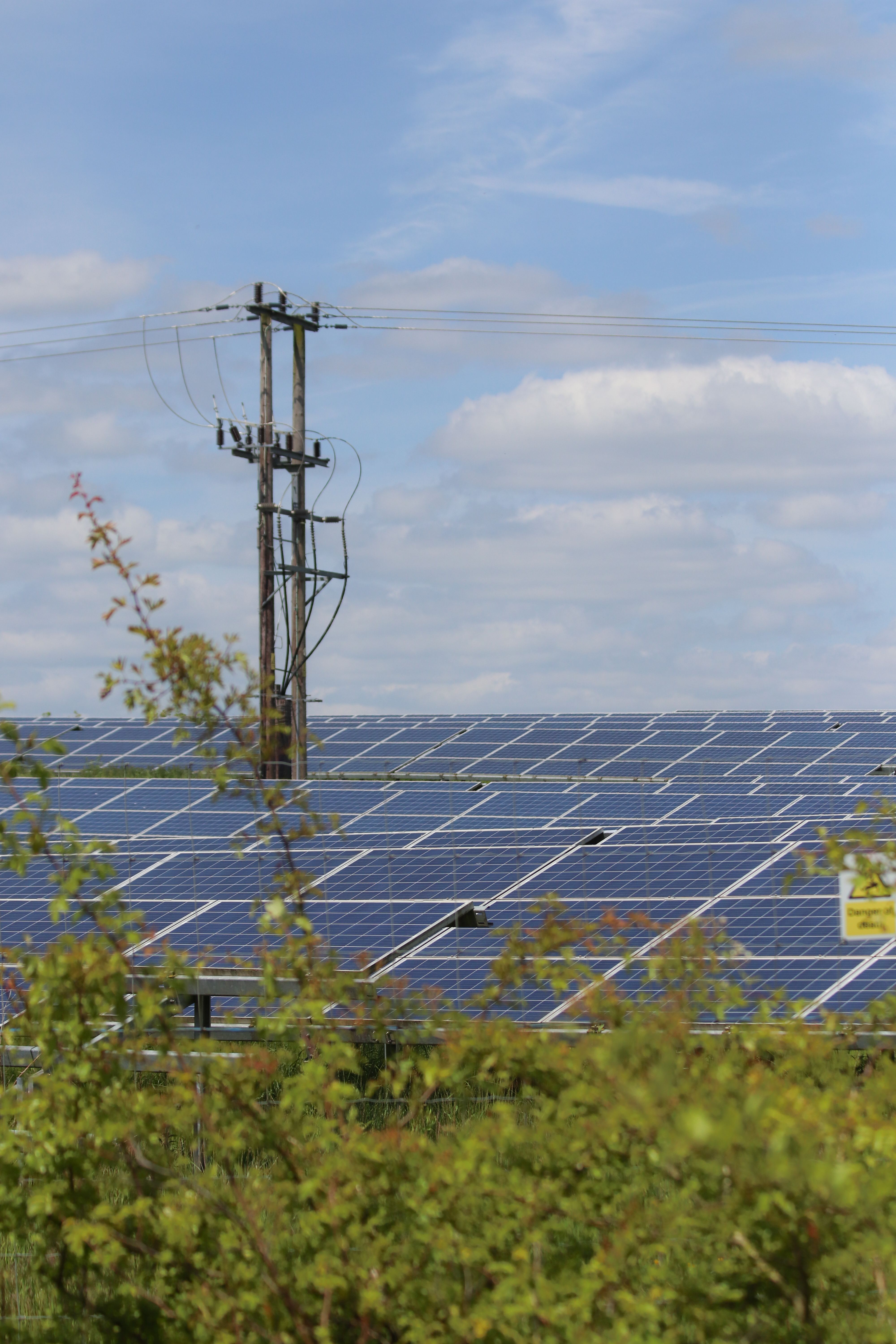
Atomic Summary: While a modern hybrid solar inverter can completely replace your old WAPDA UPS, keeping the old 1-2 kVA unit can make sense as a dedicated, low-cost backup circuit for basic loads like fans and lights during extreme load-shedding in Pakistan. However, keeping it plugged into the solar-powered mains creates a parasitic load that wastes valuable solar energy, so it must either be completely decommissioned or wired on an entirely isolated circuit. This guide explains the technical differences, safe wiring configurations, and PKR costs to help you make the right choice in 2026.
For over two decades, local 1-2 kVA UPS systems have been essential across Pakistan, from the humid coastal breeze of Karachi to the scorching summer heat of Lahore, Multan, and Faisalabad. These systems, utilizing a basic inverter box and lead-acid or tall tubular batteries, kept ceiling fans and lights running during WAPDA outages. Today, high electricity tariffs and grid instability have sparked a massive wave of solar adoption in 2026. Homes are installing 5 kW to 10 kW hybrid solar systems that can run heavier loads like inverter ACs. Naturally, homeowners face a dilemma: should they keep their old WAPDA UPS for double backup or get rid of it? Making the wrong decision can result in safety hazards, wasted solar energy, and higher utility bills.
Technical Comparison: Old WAPDA UPS vs. Hybrid Solar Inverter
A WAPDA UPS is a simple backup device that monitors grid power. When the grid fails, it switches loads to battery power; when the grid returns, it charges batteries from grid electricity. A modern hybrid solar inverter is much more advanced, managing power from solar panels, battery banks, and the grid simultaneously. Key differences include:
- No Solar MPPT Input: An old WAPDA UPS cannot charge from solar panels directly, whereas hybrid inverters feature built-in Maximum Power Point Tracking (MPPT) charge controllers to optimize solar capture.
- Charging Efficiency: Old local UPS units use inefficient, high-voltage constant-current charging that degrades batteries like Phoenix or Osaka quickly. Hybrid inverters use multi-stage charging designed for lithium (LiFePO4) or tubular batteries.
- Power Quality: Local UPS units produce modified sine wave outputs, causing fans to hum and potentially damaging sensitive electronics. Hybrid inverters produce a pure sine wave identical to clean grid power.
- Surge Capacity: A 1-2 kVA UPS (continuous 800W-1600W) cannot start heavy inductive motor loads. Hybrid solar inverters from brands like Solis, Growatt, or Inverex offer large surge capacities to start appliances like pumps. Read more about capacity differences in our guide on the off-grid vs hybrid inverter cost comparison, and check our review of the best solar inverters in Pakistan.
Comparison Table: Old WAPDA UPS vs. Hybrid Solar Inverter
Review this quick comparison of technical parameters and estimated costs in Pakistan:
| Feature | WAPDA UPS (1-2 kVA) | Hybrid Solar Inverter (5-10 kW) |
|---|---|---|
| Solar Charging | None (Grid-only charging) | Built-in MPPT Solar Input |
| Output Wave | Modified Sine Wave (Humming fans) | Pure Sine Wave (Silent, clean) |
| Battery Support | Lead-Acid / Tubular only | Lithium (LiFePO4) and Tubular |
| Efficiency | 60% to 75% | 93% to 97% |
| Surge Limit | Very Low | High (Runs ACs and pumps) |
| Approx. Cost | PKR 20,000 to PKR 45,000 | PKR 150,000 to PKR 350,000 |
The Danger of Parasitic Load and Trickle Charge Waste
Leaving your old WAPDA UPS plugged into an outlet powered by the solar backup line creates a parasitic load. Older UPS units draw a constant trickle charge of 50 Watts to 100 Watts to keep batteries topped up, wasting power.
For example, a continuous draw of 80 Watts consumes 1.92 kWh daily, or 57.6 units monthly. At 2026 domestic tariffs in Pakistan (PKR 40 to PKR 65 per unit), this translates to PKR 2,300 to PKR 3,700 in wasted electricity monthly.
Under 2026 net-billing regulations, this wasted energy cannot be exported to WAPDA (which yields Rs 8.13 per unit). Alternatively, this power could be saved to run a fridge on a tubular battery overnight, reducing your dependence on the grid.
Scenarios Where Keeping the Old UPS Makes Sense
Despite the inefficiencies, keeping your 1-2 kVA WAPDA UPS can make sense in these specific scenarios:
- Dedicated Fan and Light Circuit: In areas with heavy load-shedding (such as rural Punjab or Sindh), separating the circuits prevents your main solar battery bank from draining. Running ceiling fans and lights on the old UPS keeps basic services active while reserving solar batteries for heavy appliances.
- Utilizing New Tubular Batteries: If you bought tall tubular batteries (Phoenix, Osaka, or AGS) shortly before installing solar, selling them immediately at scrap rates is a major loss. Keeping the UPS on a separate WAPDA-only line lets you utilize their remaining life. Compare battery systems in our tubular vs lithium battery cost benefit guide.
Wiring Configurations: How to Connect Safely Without Conflicts
If keeping the old UPS, you must wire it correctly. Never connect the outputs of the old UPS and the solar inverter together. If they meet, the phase mismatch will cause an immediate short circuit, damaging both devices.
Choose one of these safe setups:
- Isolated Sub-Circuit (Recommended): Connect the UPS input to WAPDA before the solar inverter, and run its output to dedicated sockets completely separate from the solar backup lines. This eliminates parasitic solar load.
- Manual Changeover Switch: Install a 30A or 63A manual changeover switch to choose whether your backup lines are fed by the solar inverter or the old UPS.
Always hire a certified solar installer in Pakistan to configure these lines; amateur wiring causes severe electrical risks.
PKR Cost-Benefit Analysis: Selling vs. Keeping
Decommissioning the old UPS and selling it is often the most economical choice. Here is what you can recover in Pakistan's secondary market:
- Dead Battery Scrap: Dead lead-acid or tubular batteries contain valuable lead. Local scrap dealers buy them by weight. A 100Ah battery fetches PKR 8,000 to PKR 12,000, while a 200Ah tubular battery yields PKR 15,000 to PKR 22,000.
- Healthy Used Batteries: A working tubular battery under 1.5 years old can sell for PKR 25,000 to PKR 35,000 on OLX.
- UPS Inverter Unit: A working 1-2 kVA UPS box sells for PKR 5,000 to PKR 12,000.
Selling the old setup can recover PKR 55,000 to PKR 80,000, which can buy extra panels or offset your installation labor.
Actionable Recommendations for Homeowners
Follow these guidelines to make the right choice:
- Test battery health: Get a gravity and load test done. If efficiency is below 60 percent, sell it for scrap.
- Check charger socket: Ensure the old UPS is not plugged into a solar-powered backup outlet.
- Isolate neutrals: Keep UPS and solar neutrals separate to avoid ground faults.
- Consider maintenance: Tubular batteries need regular distilled water top-ups; keeping two systems doubles your maintenance work.
- Reinvest recovered cash: Use sales proceeds to buy quality AC/DC breakers to protect your hybrid inverter.
Frequently Asked Questions
Does a hybrid solar inverter act as a UPS?
Yes, a hybrid solar inverter acts as a highly advanced UPS, switching to battery and solar backup within 10 to 20 milliseconds during a WAPDA outage without any flicker.
Why is keeping my old UPS plugged in bad for my solar system?
Leaving it plugged into a solar outlet wastes 50 Watts to 100 Watts in continuous parasitic trickle charge, adding PKR 2,300 to PKR 3,700 to your monthly bill.
What should I do with my old WAPDA UPS and battery after installing solar?
You should sell it. Dead batteries fetch PKR 10,000 to PKR 22,000 in scrap value, which can fund solar upgrades.
How can I safely wire my old WAPDA UPS if I decide to keep it?
It must be on an isolated sub-circuit, charging directly from WAPDA before the solar inverter and feeding dedicated fans and lights. Never connect the outputs.
What is the scrap value of old UPS batteries in Pakistan?
In 2026, old 100Ah to 200Ah batteries fetch PKR 10,000 to PKR 25,000 from local dealers.