What Happens to Net Metering When You Move House in Pakistan? (2026 Rules Explained)
By PSI Editorial • June 8, 2026
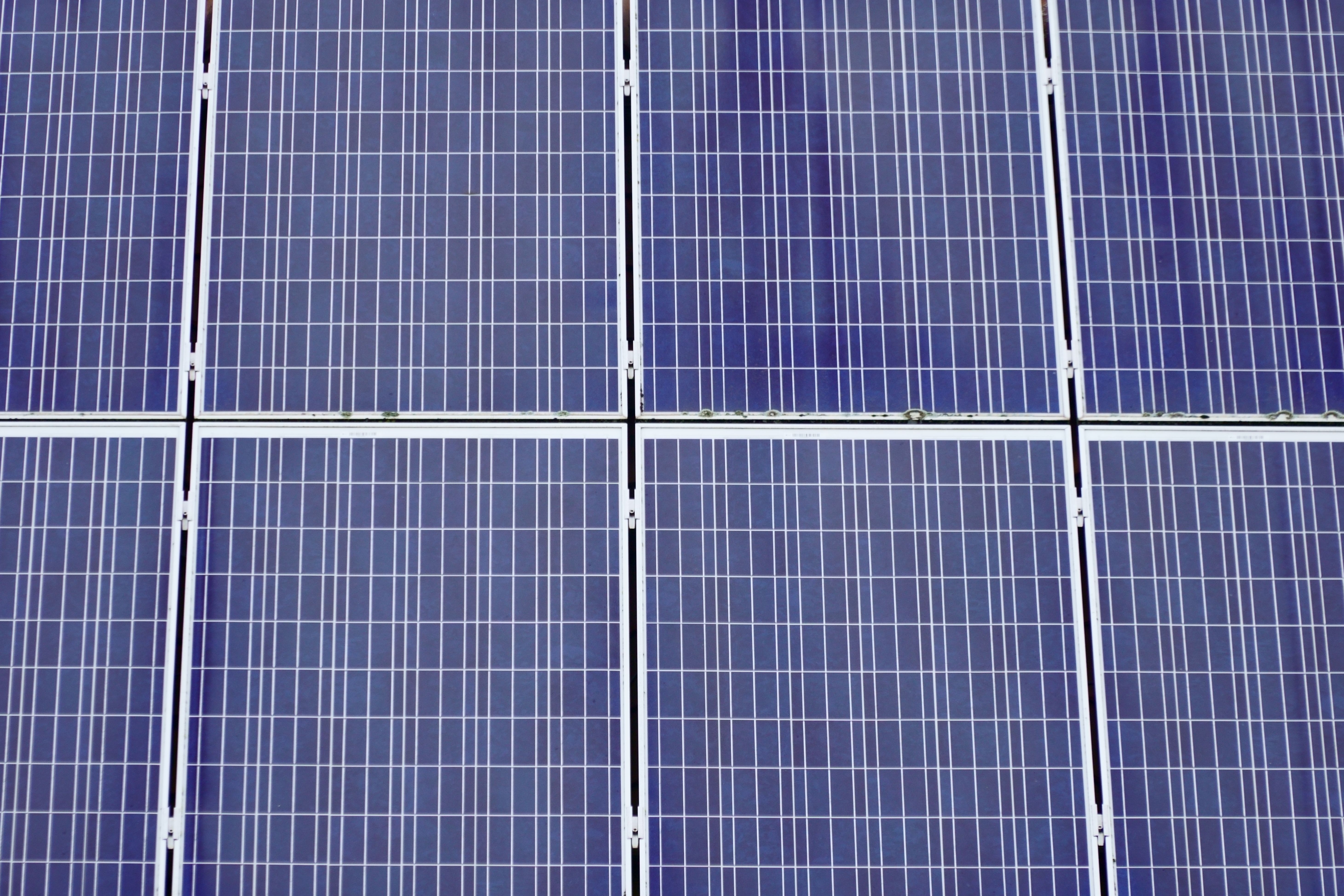
Atomic Summary: No, you absolutely cannot take your green meter with you. In Pakistan, the net metering license, the agreement, and the bidirectional meter itself are permanently tied to the property's specific 14-digit reference number. If you move, you must re-apply for a new connection at your new home under the latest 2026 NEPRA Prosumer Net Billing regulations.
Imagine this scenario: Two years ago, you proudly invested PKR 1.8 million into a beautiful 10kW solar system. You fought through the red tape, successfully acquired your green meter, and have been enjoying zero-rupee electricity bills from WAPDA or K-Electric ever since. But now, your family is expanding, or your job is relocating to another city, and it is time to move to a new house. The immediate, panicky question arises: What happens to your massive solar investment?
Moving house is inherently stressful enough without having to navigate the bureaucratic labyrinth of Pakistan's complex energy sector. Let us thoroughly explore the official NEPRA rules regarding system ownership, green meter transfers, and whether you should pack up your Tier-1 panels or leave them behind for the next lucky owner.
The Golden Rule: The License Stays with the Property
The single most common misconception among solar owners in Pakistan is that they own the net metering license because they paid for the application. Legally, you do not.
When you apply for net metering through your local DISCO (Distribution Company) like LESCO in Lahore, IESCO in Islamabad, or K-Electric in Karachi, the National Electric Power Regulatory Authority (NEPRA) issues a formal generation license. This license is explicitly and permanently linked to the 14-digit consumer reference number of that specific geographic property. The physical green bidirectional meter installed on your outer wall belongs to the utility company, not to you, even if you paid the meter cost.
Therefore, when you sell your house or move out of a rented property, the net metering facility stays right where it is. You absolutely cannot unscrew the green meter and put it in your moving truck. Doing so is considered meter tampering and is a federal offense. To ensure a smooth transition, the new owner of the house will need to visit the local utility office with the property transfer documents to have the electricity bill (and the associated solar license) formally transferred into their name.
Alert: Rented Properties and DisputesIf you are a tenant who installed a solar system with the landlord's permission (using the landlord's name on the electricity bill), you face a difficult situation when moving out. You can legally take the panels and inverter with you (if stipulated in your tenancy agreement), but the landlord gets to keep the green meter. This often leads to bitter disputes, which is why we highly recommend drafting a clear "solar exit clause" before installing multi-million rupee systems on rented properties.
Should You Take Your Solar Panels With You?
Since you cannot take the license or the meter, what about the hardware? You fully own the solar panels, the hybrid inverter, the lithium battery bank, and the galvanized mounting structure. You are completely within your legal rights to hire a solar company to dismantle the system and reinstall it at your new home.
However, from a financial and practical standpoint, this is rarely the best decision. Here is why:
- Massive Dismantling Costs: Safely unmounting panels, recovering the DC wiring without cutting it short, and transporting fragile glass modules across the city requires professional labor. Re-installation at the new site will cost you nearly as much as a fresh installation (often upwards of PKR 100,000 to 150,000 in labor, new conduits, and structural mounting adaptations).
- Warranty Voidance: Many tier-1 installers provide a 1-year to 3-year workmanship warranty. If you or a third-party company dismantles the system, this warranty is immediately voided. Furthermore, if panels are cracked or damaged during bumpy transit, the manufacturer's 25-year performance warranty will not cover them.
- Roof Damage Repair: Removing heavy galvanized structures often leaves drill holes and exposed anchor bolts on the old roof, requiring expensive waterproofing and masonry repairs to satisfy the buyer of your old house.
The Smarter Financial Move: Sell the System with the House
In Pakistan's current highly competitive real estate market, a house equipped with an active, licensed net-metering system commands a massive premium. Buyers are absolutely terrified of rising electricity tariffs and peak hour rates. A pre-installed 10kW system can comfortably increase the asking price of your property by PKR 2.0 to 2.5 million—often significantly more than what you originally paid for it two years ago due to inflation.
It is almost always more profitable to leave the system perfectly intact, sell the house at a premium, and use that extra capital to buy a brand-new, modern system for your new home. For more details on property valuation, read our comprehensive guide on how solar increases home value in Pakistan.
Moving in 2026: The New Net Billing Reality
If you smartly decide to leave your old system behind and install a new one at your new house, you must be acutely aware of the massive policy shift that occurred in 2026.
Pakistan has officially transitioned from the old, highly lucrative "Net Metering" regime to the new "Net Billing" (Prosumer) framework. If your old house had an older net metering contract, it might still be grandfathered into the 1:1 unit exchange rate for its remaining term (usually 7 years). However, your new house will strictly fall under the 2026 rules.
| Feature | Old Net Metering (Pre-2026) | New Net Billing (2026 Onwards) | |---|---|---| | **Export Compensation** | 1 Exported Unit exactly cancels 1 Imported Unit | Exported units are sold at the National Average Power Purchase Price (approx. PKR 11/unit) | | **Off-Peak vs Peak** | Complex adjustments based on Time of Use (TOU) | Direct monetary credit applied against your total bill in PKR | | **Grid Independence** | Minimal (Relied heavily on grid acting as a free battery) | Requires larger physical battery banks to be financially viable |Because the new Net Billing rate for exported units is significantly lower than the price you pay to buy units from the grid (which can exceed PKR 50+ after taxes and surcharges), installing a massive, oversized system just to "sell to WAPDA" is no longer profitable. At your new house, you must shift your strategy: focus on self-consumption by sizing the system perfectly to your daytime load and investing heavily in Tier-1 LiFePO4 batteries for night usage.
Step-by-Step: Setting Up Solar at Your New House
If you have moved and are ready to go solar again, follow these steps to avoid regulatory delays under the new rules:
Step 1: Transfer the Main Meter to Your Name
Before any solar company can apply for Net Billing on your behalf, the standard WAPDA or K-Electric electricity bill for the new property must be officially in your name. Do not delay this, as the name transfer process can take 3 to 4 weeks at the local SDO office.
Step 2: Re-Evaluate Your Electrical Load
Do not blindly install a 10kW system just because you had one at your old house. Your new house might have better insulation, different inverter AC usage patterns, or gas appliances instead of electric. Have a certified installer conduct a fresh load analysis to optimize your system size for the new Net Billing rules.
Step 3: Apply for Net Billing Immediately
Once the system is installed, your vendor will submit the application to NEPRA and the local DISCO. Expect this bureaucratic process to take 45 to 60 days. In the meantime, crucially ensure your hybrid inverter is configured to "Zero Export" mode. This ensures you do not accidentally send unmetered units to the grid, which some old digital meters may mistakenly charge you for as imported electricity!
Conclusion
Moving house forces a tough financial decision regarding your solar investment. However, knowing that the green meter and license cannot legally move with you simplifies the equation. By selling your old house with the system fully included, you can maximize your property value and secure the liquid funds needed to build a modern, battery-optimized hybrid system at your new address, fully prepared for Pakistan's 2026 energy landscape.
Frequently Asked Questions (FAQ)
Can I physically move my green meter to my new house?
No. The green bidirectional meter and the NEPRA license are permanently linked to the specific 14-digit reference number of the property. You cannot transfer them to a new address.
Should I take my solar panels with me when I move?
Usually, no. Uninstalling and reinstalling the system is expensive and voids installation warranties. Furthermore, selling a house with a pre-installed, licensed net-metering system significantly increases its market value in Pakistan.
How does the 2026 Net Billing policy affect my move?
If you move and set up a new solar system at your new house in 2026, you will fall under the new Net Billing regime. Your exported units will be compensated at a lower rate (approx. PKR 11) compared to the older 1:1 net metering unit exchange.