Do I Need Permission to Install Solar in Pakistan? (2026)
By PSI Editorial • June 13, 2026
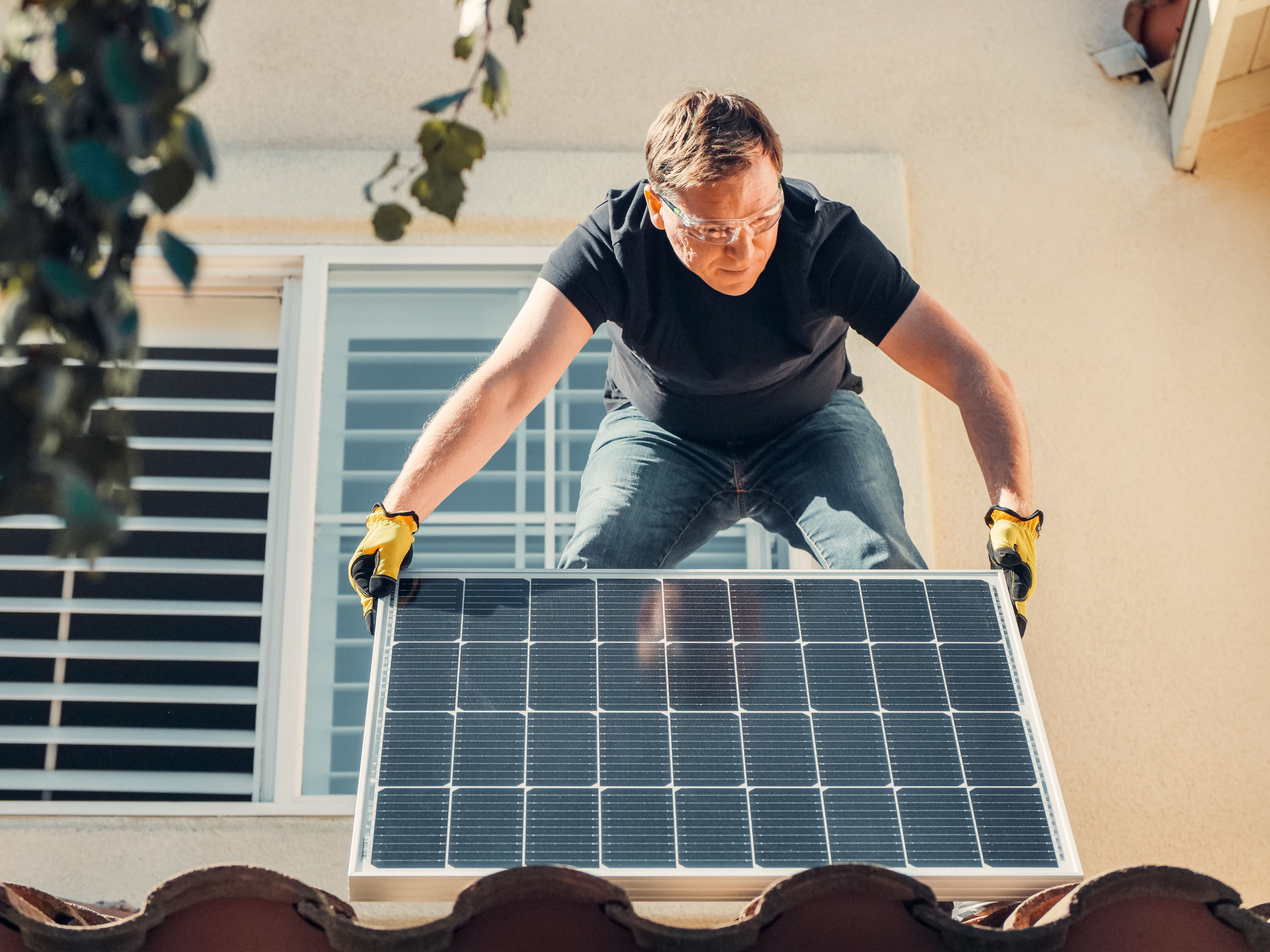
Atomic Summary: Installing a solar energy system on a residential property in Pakistan does not require utility permission if it is a standard off-grid or backup system with zero grid-feed. However, any grid-tied or hybrid system that exports excess energy to the utility grid requires official approval and a generation license under the NEPRA 2026 net billing regime. Additionally, premium housing societies like DHA, Bahria Town, and cantonment boards mandate No Objection Certificates (NOCs) and structural stability certificates signed by a registered engineer to ensure structural and aesthetic compliance.
The transition to solar energy is booming in Lahore, Karachi, Islamabad, Faisalabad, and Multan as homeowners seek relief from escalating electricity tariffs. While buyers focus on comparing inverter models, battery costs, and payback periods, they often overlook the critical legal permissions and approvals required before installation. Understanding these rules is essential to avoid hefty fines, project delays, or having your equipment dismantled by local authorities.
Off-Grid vs. Grid-Tied: When is Permission Mandatory?
Regulatory requirements differ based on how your solar panels interface with the national grid. The two installation categories dictate whether you need official approval from K-Electric or WAPDA distribution companies (DISCOs) like LESCO, MEPCO, and IESCO.
1. Off-Grid and Stand-Alone Backup Systems (No Utility NOC Required)
If you install a solar power system that is completely isolated from the grid, or if you use a hybrid inverter configured for zero-export mode, you do not need utility permission. These setups use batteries to store excess power and do not feed electricity back into the transmission lines. Since there is no physical risk of reverse-feeding power, utilities do not require technical inspections, sanctioned load reviews, or licenses. If your energy needs are small, you can configure your system to run off-grid to bypass these hurdles. For details, read about how to install solar without net metering.
2. Grid-Tied and Exporting Hybrid Systems (Utility NOC Mandatory)
If your solar system is designed to feed excess power back into the public grid to offset your bills, you must obtain formal permission from your utility company. Grid-tied exports pose a significant safety risk called islanding. If the utility grid goes down for maintenance and your solar inverter continues to feed electricity into the street lines, it can electrocute utility technicians. Therefore, you are legally required to get an NOC verifying that your inverter features certified anti-islanding protection. Furthermore, in February 2026, the National Electric Power Regulatory Authority (NEPRA) replaced the older net metering model with a new net billing regime. Under this current setup, exported units are credited at a lower rate of approximately Rs 8.13 per unit, requiring updated bilateral agreements. To understand the transition of tariffs, refer to our comparison of gross metering vs net metering.
The Housing Society and Cantonment Board NOC Maze
Even if your utility does not require an NOC for a basic system, your housing society or cantonment board might. Gated communities enforce strict bylaws to maintain aesthetic uniformity, prevent safety hazards, and protect structural integrity.
DHA (Defence Housing Authority) Rules
DHA phases across Lahore, Karachi, and Islamabad enforce strict building regulations. To install solar panels in DHA, you must obtain an official NOC from the Building Control Department. This requires submitting architectural drawings, ensuring height limits are respected, and providing a structural stability certificate signed by a Pakistan Engineering Council (PEC) registered engineer. DHA conducts physical inspections, and unauthorized structures face immediate fines exceeding PKR 100,000.
Bahria Town Regulations
Bahria Town's Building Control Department (BCD) closely monitors rooftop setups, mandating structural drawing approvals showing the tilt angle and location. They also inspect the earthing network. Installers must construct proper AC and DC grounding bores, or face rejection of the society NOC, halting green meter processing.
Cantonment Boards and Municipal Authorities
Properties under Cantonment Board jurisdiction or city authorities like the LDA and CDA generally do not need permissions for low-tilt installations. However, if you construct an elevated structure (8 to 12 feet high to use the roof as a terrace), it is classified as a building modification. You must submit an amended plan to avoid demolition notices.
Step-by-Step Grid Connection Process under 2026 Net Billing
Connecting your solar system to the national grid under the 2026 net billing regime involves a multi-stage application process. You must coordinate with your solar installer and the local utility to complete the following steps:
- Hire an AEDB-Certified Installer: WAPDA DISCOs and K-Electric will only accept applications submitted through solar vendors certified by the Alternative Energy Development Board (AEDB) under categories V1, V2, or V3.
- Verify Sanctioned Load Limits: Your proposed solar inverter capacity cannot exceed your home's sanctioned load. If you have a sanctioned load of 5 kW but want to install a 10 kW system, you must first submit a load extension application to your DISCO and pay the required demand notice fees.
- Submit the Application Package: The certified installer compiles and submits your application. This package must include CNIC copies of the property owner, a recently paid electricity bill with zero outstanding balance, the technical specification sheet of the inverter and panels, and proof of land ownership (allotment letter or registry).
- Technical Site Inspection: DISCO or K-Electric engineers visit your property to audit the installation. They verify that the inverter complies with anti-islanding standards, inspect the safety breakers, and check that the AC and DC earthing resistance levels are within safe parameters.
- Bilateral Net Billing Agreement: Once the inspection passes, a three-party agreement is signed between the consumer, the DISCO, and NEPRA, officially registering you under the net billing regime at the export rate of Rs 8.13 per unit.
- Green Meter Installation: The utility issues a demand notice fee for the physical bi-directional green meter. After the fee is paid in a designated bank, the utility team installs the green meter, activating your grid export system.
The following table outlines the administrative requirements, approximate fees, and typical timelines for each stage of the grid connection process in Pakistan:
| Approval Stage | Required Documents / Requirements | Approximate Fee (PKR) | Average Timeline |
|---|---|---|---|
| 1. Housing Society NOC (DHA / Bahria) | Allotment letter, structural drawings, PEC engineer certificate | PKR 15,000 to PKR 30,000 | 7 to 14 days |
| 2. Sanctioned Load Extension (If required) | Previous paid bills, application form, load calculation sheet | PKR 20,000 to PKR 45,000 | 10 to 20 days |
| 3. DISCO Net Billing Application | CNIC, paid bill, inverter data sheets, AEDB vendor certificate | PKR 10,000 to PKR 15,000 | 14 to 30 days |
| 4. Bi-Directional Green Meter Purchase | Approved inspection report, paid Demand Notice (DN) | PKR 65,000 to PKR 90,000 | 7 to 15 days |
Actionable Recommendations for Pakistani Homeowners
To ensure a smooth, legally compliant solar installation that does not result in fines or utility rejections, keep the following recommendations in mind:
- Assess your electricity bill and sanctioned load first: Check your green meter eligibility by reviewing your current bill's sanctioned load. Apply for a load extension before purchasing your inverter to avoid compatibility delays.
- Insist on a PEC stability certificate: Always demand that your installer provides a structural stability certificate signed by a licensed PEC engineer. This document is your primary legal defense if a housing society challenges your rooftop structure.
- Avoid cheap uncertified installers: Ensure your solar company has a valid AEDB license. Utilities will reject net billing applications submitted by unlicensed local electricians.
- Prepare for the 2026 net billing financial reality: Since the export rate has dropped to approximately Rs 8.13 per unit, size your solar system to cover your daytime load directly, rather than relying on heavy exports to offset night-time consumption.
Disclaimer: Solar installations involve complex high-voltage electrical connections and structural civil works. Always consult a certified solar engineer and an AEDB-licensed company to ensure your system complies with the latest national grid codes and building safety laws.
Frequently Asked Questions
Do I need permission to install a stand-alone off-grid solar system in Pakistan?
No, you do not need utility permission or a DISCO NOC for a completely off-grid or backup solar system with zero grid-feed. However, if you live in a housing society like DHA or Bahria Town, you must still obtain a local NOC and structural safety clearance for the physical roof installation.
What is the difference between net metering and the new 2026 net billing rules?
In February 2026, NEPRA replaced the old net metering mechanism with a new net billing regime. Under net billing, the electricity you export to the grid is credited at a significantly lower rate of approximately Rs 8.13 per unit, whereas you buy grid power at full retail rates. This change requires updated DISCO approvals and bilateral agreements.
Do I need a structural stability certificate to install solar panels in DHA?
Yes, DHA and other major societies like Bahria Town require a structural stability certificate signed by a Pakistan Engineering Council (PEC) registered structural engineer. This verifies that your roof slab and mounting structure can safely support the dead load and resist high wind loads.
How long does it take to get a green bi-directional meter from WAPDA or KE?
The entire process of getting a green bi-directional meter under the net billing regime typically takes between 4 to 8 weeks. This includes the initial site inspection, three-phase connection upgrades, physical installation of the meter, and the final signing of the net billing agreement with your local DISCO.
Can I install a solar system capacity that exceeds my home's sanctioned load?
No, your solar system capacity cannot exceed your sanctioned load. Under WAPDA and K-Electric regulations, if you plan to install a system larger than your current sanctioned load, you must first apply and pay the required fees to extend your sanctioned load before applying for grid connection.