How to Protect Your Solar Setup from Lightning Strikes in Pakistan
By PSI Editorial • June 8, 2026
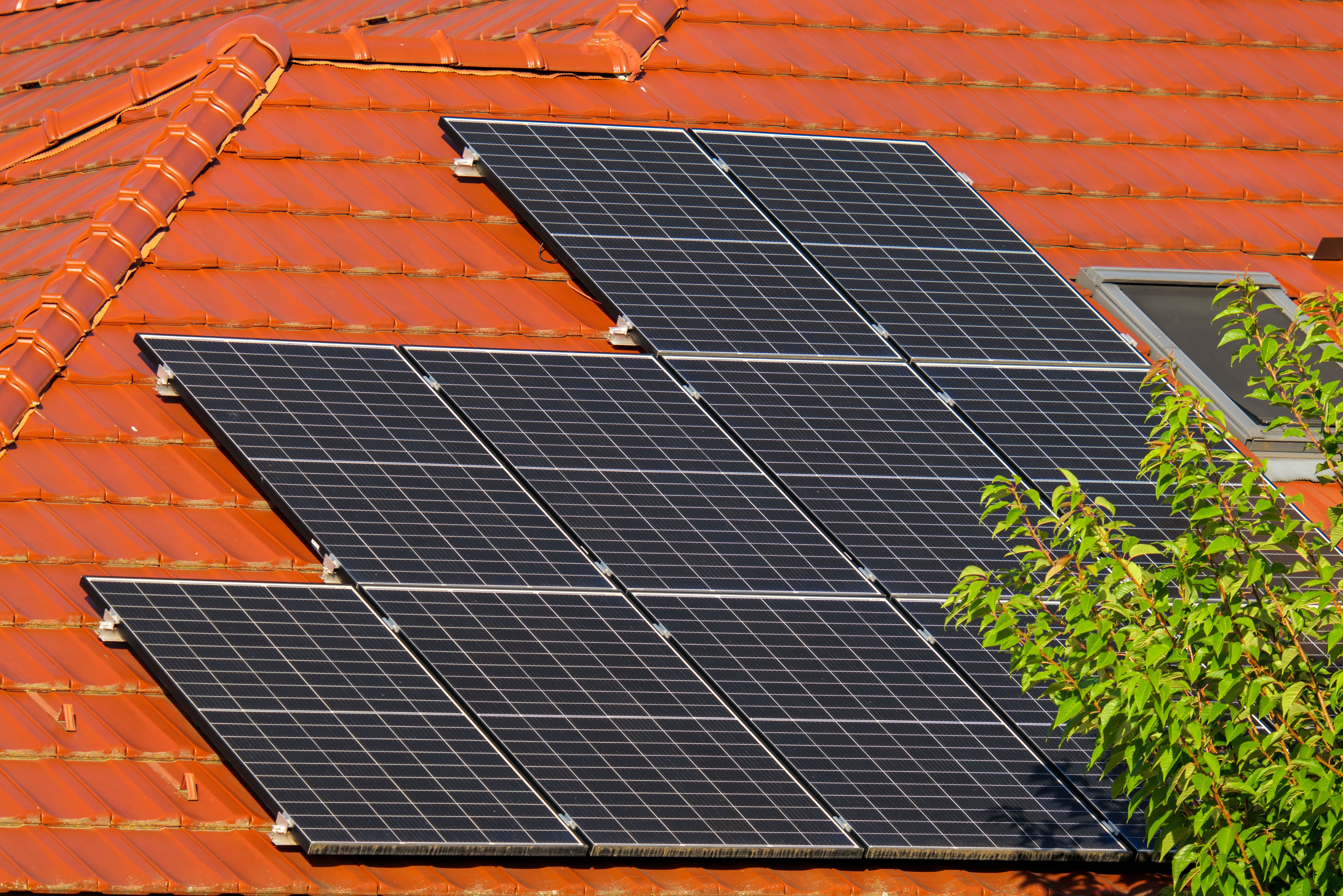
Atomic Summary: To prevent catastrophic lightning damage, your installer must install a dedicated copper lightning arrester mounted higher than the panels, connected via a thick wire to a separate, deep earthing pit. Additionally, Surge Protection Devices (SPDs) must be used on both the AC and DC sides of the inverter to stop grid surges.
Pakistan's monsoon season brings intense thunderstorms. During these heavy rains in cities like Lahore, Islamabad, and Karachi, rooftop solar arrays are uniquely vulnerable. By installing a large, conductive metal structure at the highest point of your property, you have essentially placed a giant target on your roof for lightning strikes.
A direct hit—or even a nearby strike that causes an induced voltage surge—contains millions of volts of electricity. In a fraction of a second, this massive energy can fry your solar panels, destroy your expensive hybrid inverter, and cause deadly electrical fires inside your home. So, how do you protect a multi-million-rupee investment from Mother Nature?
With WAPDA and K-Electric already causing inverter failures through frequent load-shedding and voltage fluctuations, adding lightning strikes to the mix without proper protection is financial suicide. Let's explore the essential 3-step defense strategy.
3 Steps to Complete Lightning and Surge Protection
Step 1: The Frontline Defense (The Lightning Arrester)
The most visible form of protection is the Lightning Arrester, often referred to as a lightning rod or spike. This is a solid copper or aluminum rod mounted securely on your roof.
Installation rules for an effective arrester:
- Height Matters: The tip of the arrester must be positioned higher than any part of your solar panels or the mounting structure. It creates a "cone of protection" over your array.
- Thick Down-Conductors: The arrester must be connected to the ground using a very thick, uninsulated copper strip or heavy-gauge wire (minimum 16mm² to 25mm²). This wire provides the path of least resistance for the lightning to travel safely down.
- Avoid Sharp Bends: Lightning travels in straight lines. The down-conductor wire should be run down the side of your house as straight as possible. Sharp 90-degree bends can cause the massive energy to "jump" off the wire and blast directly into your walls.
Critical Warning: Separate Your Earthing Pits
Never, ever connect your roof's lightning arrester to your house's main earthing wire or your inverter's earth. The lightning arrester MUST have its own dedicated earthing pit, dug at least 10 to 15 feet deep and physically separated from other earth pits. If you combine them, a lightning strike will backfeed directly into your home’s electrical distribution board, blowing up TVs, fridges, and the inverter itself.
Step 2: Defending the Inverter with SPDs
While a lightning arrester handles a direct hit to your roof, what happens if lightning strikes a WAPDA pole down the street? The resulting massive voltage surge will travel through the grid wires and enter your house, heading straight for your sensitive inverter.
This is where Surge Protection Devices (SPDs) come in. SPDs act like pressure-relief valves for electricity. When voltage spikes above a safe limit, the SPD instantly clamps down and shunts the excess energy into the ground, sacrificing itself to save the inverter.
A professional solar installation in Pakistan must have two distinct sets of SPDs:
| Type | Location | Purpose |
|---|---|---|
| DC SPD | Between panels and inverter | Protects against induced surges picked up by the long DC cables running across your roof during thunderstorms. |
| AC SPD | Between WAPDA grid and inverter | Protects the inverter's sensitive AC board from grid-side lightning strikes or heavy load-shedding transients. |
Always ensure your installer uses high-quality SPDs (like Suntree or Tomzn) and check their status windows regularly. If the little window on the SPD turns from Green to Red, it means the device has absorbed a fatal surge and must be replaced immediately. Replacing a 3,000 PKR SPD is much better than replacing a 350,000 PKR inverter.
Step 3: Proper Equipment Earthing (Grounding)
Aside from the lightning arrester's dedicated earth pit, the solar system itself requires proper grounding. This prevents electrical shocks if a wire frays and touches the metal structure.
- Panel Bonding: Every single solar panel aluminum frame must be connected to the mounting structure using grounding clips or lugs. Do not assume the aluminum frames will conduct perfectly without proper bonding.
- Structure Grounding: The entire GI (Galvanized Iron) structure must then be wired to an earth pit.
- Inverter Grounding: The inverter chassis must be securely connected to the earth.
For net metering approvals, NEPRA and DISCOs (like LESCO or K-Electric) mandate strict earthing standards. If your earthing resistance (measured in Ohms) is too high, the testing engineers will fail your system, and your green meter will not be installed.
Financing Your Protected System
High-quality grounding equipment, pure copper wires, chemical earthing pits, and branded SPDs add to the upfront cost of your installation. If you are tempted to skip these safety features to save money, consider financing your system instead. Using State Bank-backed programs like Meezan Bank’s Solar Financing allows you to afford top-tier Tier-1 panels, a branded hybrid inverter, and rigorous safety protections while paying in easy monthly installments.
Conclusion
Cutting corners on safety equipment to save a few thousand rupees is the worst mistake you can make when installing solar in Pakistan. Proper lightning protection requires a comprehensive, multi-layered approach: a dedicated lightning arrester for direct strikes, robust AC and DC SPDs for electrical surges, and deep, separate earthing pits to safely dissipate the energy.
Demand that your solar installer provides a detailed earthing layout before the project begins, and strictly verify that they do not connect your lightning rod to your home's main ground wire.
Frequently Asked Questions
Do solar panels attract lightning?
Solar panels themselves do not attract lightning, but because they are usually mounted on the highest point of a roof using large metal structures, they provide a path of least resistance if lightning does strike your home.
What is the difference between a lightning arrester and an SPD?
A lightning arrester (the spike on your roof) handles direct lightning strikes, channeling massive energy safely into the earth. An SPD (Surge Protection Device) is installed near your inverter to handle secondary electrical voltage spikes coming through the DC cables or the WAPDA grid.
Can I connect my solar earth to my house earth?
No. The lightning arrester must have its own dedicated earthing pit, dug deep into the ground. Connecting it to your home's main earthing can cause millions of volts to backfeed into your household appliances, causing catastrophic fires.