How to Protect Solar Panels from Monkeys in Pakistan (2026 Complete Guide)
By PSI Editorial • June 8, 2026
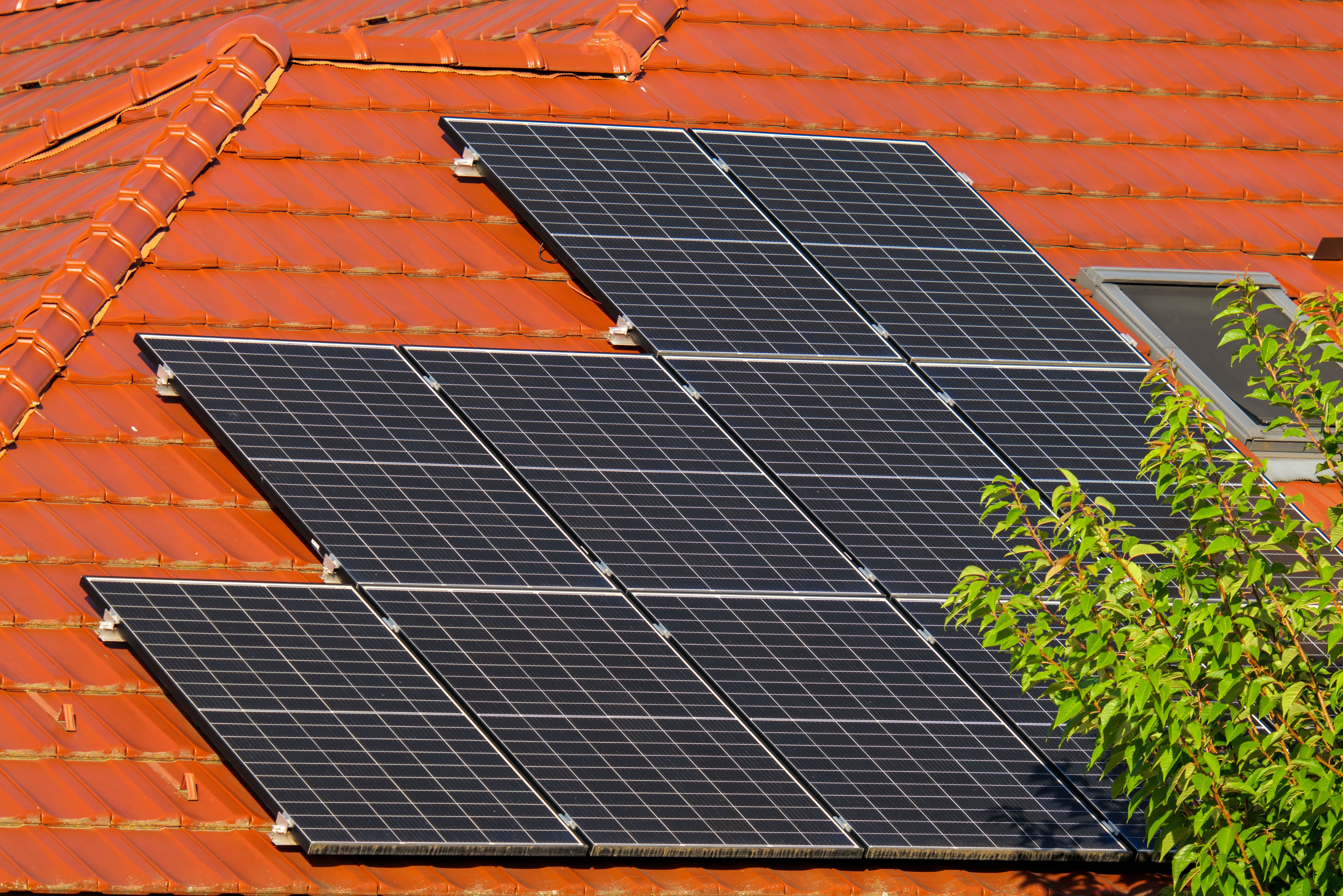
Atomic Summary: Monkeys rarely break the tough tempered glass of Tier-1 solar panels by jumping on them. However, they frequently chew through exposed DC wiring underneath the panels and swing on loose cables, causing massive short circuits, expensive inverter damage, and dangerous roof fires. To stop them, you must install heavy-duty perimeter mesh and use hard-shell PVC conduits for all electrical lines.
In the scenic, elevated regions of Pakistan—such as the Margalla Hills of Islamabad, Murree, Abbottabad, Swat, and various parts of Khyber Pakhtunkhwa (KP)—homeowners face a highly unique challenge that city-dwellers in Lahore or Karachi rarely encounter: aggressive urban wildlife. Specifically, large troops of Rhesus Macaque monkeys.
As electricity tariffs soar and K-Electric and WAPDA bills become completely unmanageable for the middle class, solar power is rapidly expanding into these hilly residential sectors. But a raised rooftop solar array provides the perfect shaded, elevated playground for monkeys to congregate. If you are planning an installation in these areas, standard city-level solar mounting practices simply are not enough. You must actively monkey-proof your multi-million-rupee investment from day one.
Will Monkeys Break the Solar Panel Glass?
The first and most persistent fear most homeowners have is that a heavy 15-kilogram monkey jumping from a nearby pine tree directly onto a solar panel will shatter the glass. Fortunately, this is largely a myth and physically highly unlikely.
If you have purchased genuine Tier-1 solar panels (such as renowned brands like Jinko, Longi, or Canadian Solar), the surface is manufactured using 3.2mm highly durable, tempered, anti-reflective glass. This glass undergoes rigorous international mechanical testing to withstand severe, heavy hailstorms and massive mechanical snow loads. A monkey jumping, sitting, or running across the panel will not crack it. The worst damage they will directly cause to the glass itself is leaving behind dirty, oily footprints or droppings. This can lead to temporary "soiling losses" (reducing efficiency by 5-10%) until the next rain or your next cleaning session.
The Real Threat: Vulnerable DC Wiring and Connectors
The true, expensive danger lies entirely beneath the panels. A typical 10kW system has dozens of meters of high-voltage DC wiring connecting the panels in a series string to build voltage. When installed by budget contractors who cut corners, these wires often dangle loosely under the aluminum frames.
- Chewing Insulation: Much like rodents, monkeys are notoriously curious and possess strong jaws. They will chew on the rubber insulation of exposed DC wires. Once the copper core is exposed, any rain or morning dew moisture can cause a severe arc fault.
- Swinging on Cables: Monkeys often grab dangling cables to swing under the panels or use them to climb. This physical force can forcefully yank the MC4 connectors out of their sockets, instantly severing the power generation of that entire string and causing system downtime.
- Nesting Materials and Debris: The shaded, protected area underneath solar panels is highly attractive to monkeys looking for shelter from rain or a safe place to hide food from other troop members. They can drag debris, branches, and trash under the array, creating a massive fire hazard directly against the hot backsheet of the panel.
If a monkey chews through the positive and negative wires and they touch, it creates a massive DC short circuit. Unlike AC power from WAPDA, high-voltage DC arcs do not easily extinguish and can burn continuously. This can cause a rapid electrical fire on your roof. Even if a fire does not start, the sudden electrical surge can permanently blow the MPPT (Maximum Power Point Tracking) circuit inside your expensive hybrid inverter (like Solis, Huawei, or Growatt), immediately voiding the warranty and costing you over PKR 150,000 in repair fees.
Step-by-Step Guide to Monkey-Proofing Your Solar System
To fully secure your system, you need a combination of physical barriers and proper installation techniques. Here is how to monkey-proof your roof in four crucial steps during your initial installation:
Step 1: Install Perimeter Critter Guards (Wire Mesh)
This is the absolute most critical defense mechanism. You must seal off the entire gap between the solar panels and the roof surface so monkeys cannot reach underneath. Use a high-tensile, PVC-coated galvanized steel wire mesh.
Installation Tip: Never let your local installer drill holes directly into the aluminum frame of the solar panel to attach the mesh. Doing so will immediately and irreversibly void the 25-year manufacturer warranty. Instead, insist they use specialized, non-invasive solar panel clips designed specifically for attaching critter guards without drilling.
Step 2: Use Hard-Shell PVC Conduits for All Wiring
Do not allow a single inch of exposed wiring. All DC cables running from the panels to the DB (Distribution Board) box must be fully encased in hard-shell PVC conduits (like Adamjee or Popular pipes) or flexible armored metal tubing. Standard cheap corrugated plastic pipes (the flimsy spiral ones) are completely useless—a monkey will bite through them in mere seconds.
Step 3: Enforce Tight Cable Management
Underneath the panels (even with the mesh installed as a primary barrier), ensure the installer uses heavy-duty, UV-resistant zip ties to strap all wires tightly against the aluminum mounting rails. If there is absolutely no slack or loop in the wire, a monkey cannot get its hand around it to pull or swing.
Step 4: Remove Environmental Attractants
Monkeys do not visit your roof just to admire the solar panels; they are usually looking for a route to food or a thoroughfare to another tree. Trim back any large tree branches that overhang your roof, acting as a natural bridge. Ensure your rooftop water tanks are securely sealed with heavy lids, and never leave garbage bags or food waste on the roof, mumty, or upper balconies.
Comparative Costs of Protection vs. Catastrophic Repair
Many homeowners skip monkey-proofing because local installers charge extra for the labor and materials. Let’s look at the harsh financial reality in Pakistani Rupees (PKR) for a standard 10kW residential setup:
| Expense Category | Estimated Cost (10kW System) | Notes | |---|---|---| | **Installing Mesh & Hard Conduits** | PKR 25,000 - 45,000 | A one-time, upfront investment during installation. | | **Replacing Chewed DC Cables** | PKR 15,000 - 35,000 | Includes labor and rewiring an entire string completely. | | **Repairing a Blown Inverter MPPT** | PKR 100,000 - 180,000 | Inverter warranties strictly do not cover animal damage. | | **WAPDA Bill Loss During Downtime** | PKR 15,000 - 30,000 | The cost of buying grid electricity while waiting for repairs. |As the table clearly shows, spending roughly PKR 40,000 during the initial installation is a highly negligible insurance premium compared to the massive financial and safety risks of leaving your system unprotected to the mercy of wild macaques.
Final Thoughts
If you live in the Margalla Hills, Murree, Abbottabad, or any area with a known monkey population, you simply cannot afford to hire a budget installer who cuts corners on wiring and structural defense. When taking out a solar loan through Meezan Bank or another financial institution, insist that the installer includes "critter guards and armored conduits" explicitly in the official BOQ (Bill of Quantities) before signing. Proper physical barriers are the only guaranteed way to ensure your solar investment safely outlasts the local wildlife.
Frequently Asked Questions (FAQ)
Can monkeys break the glass on solar panels?
It is highly unlikely. Tier-1 solar panels use 3.2mm tempered glass designed to withstand severe hailstorms. A monkey jumping on the panel will not break it, though they may leave dirty footprints that cause minor soiling losses.
How do monkeys actually damage solar systems?
The primary threat is to the DC wiring underneath the panels. Monkeys frequently grab dangling wires to swing on them, or chew through the insulation, causing catastrophic short circuits and potential roof fires.
What is the best way to monkey-proof a solar installation?
You must use PVC-coated galvanized steel wire mesh (critter guards) around the perimeter of the panel array, and enclose all exposed DC cables inside hard-shell, rodent-resistant conduits.