Does Shading on One Solar Panel Affect the Rest?
By PSI Editorial • June 8, 2026
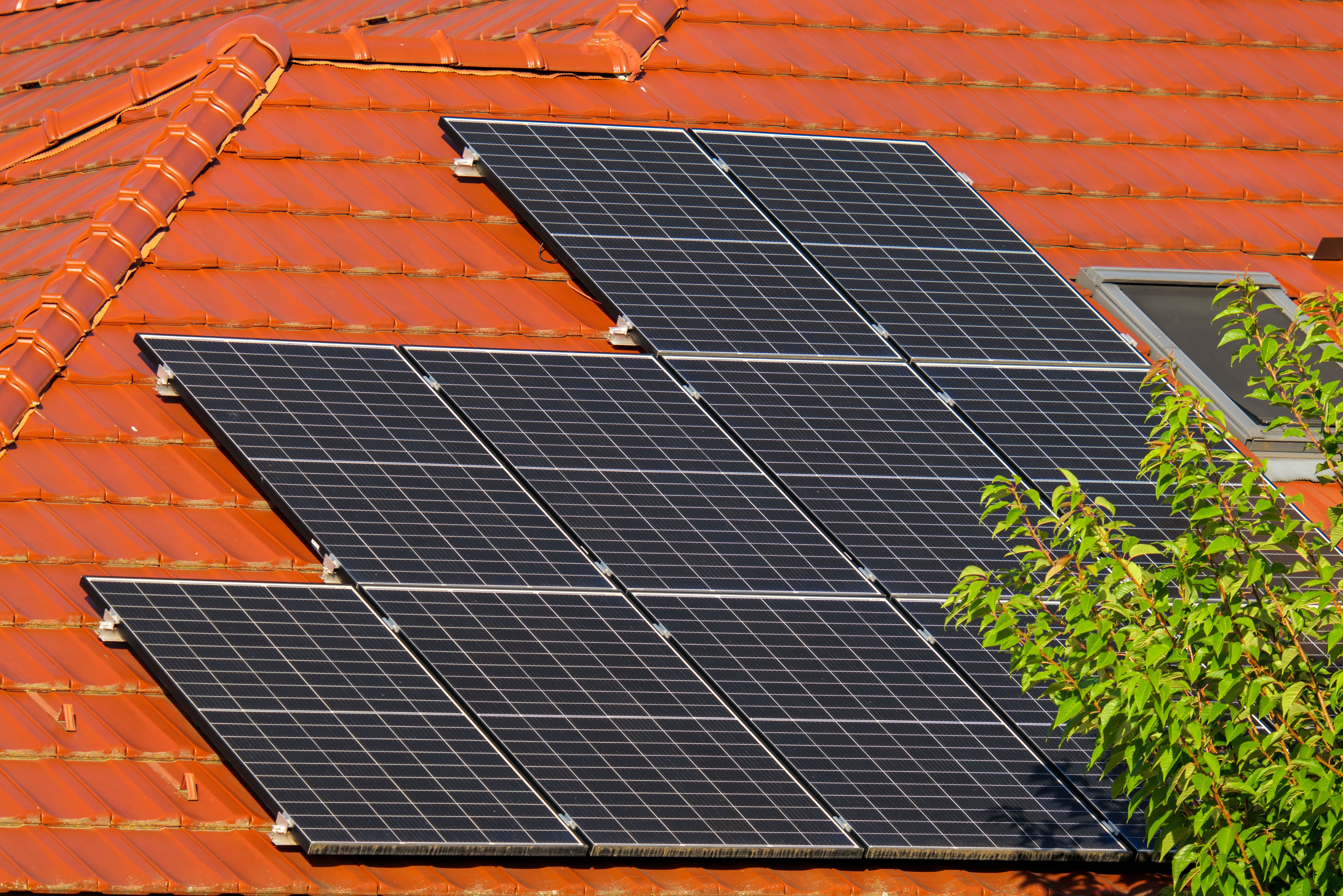
Atomic Summary: Because panels are typically wired in series (a "string"), shading just 10% of one panel acts like a severe bottleneck, dragging down the power output of the ENTIRE string by 30% to 50%, even if the remaining panels are basking in full Pakistani sun.
Imagine this: you've just invested over a million rupees in a top-tier solar setup. You financed it through a Meezan Bank solar loan, expecting massive reductions on your next K-Electric or WAPDA bill. But when you check your inverter's app in the late afternoon, the power output is shockingly low. The culprit? The shadow of a neighbor's tree or your own rooftop water tank falling across just one single panel.
In Pakistan's densely packed urban neighborhoods, from the cramped roofs of Karachi to the terraced houses of Lahore, partial shading is an incredibly common issue. But many homeowners don't realize that a shadow on just one panel can cripple their entire system's efficiency. Let's dive deep into the technical mechanics of solar panel shading, string inverters, and how you can protect your investment.
The "String Effect": Why One Weak Link Breaks the Chain
To understand the devastating impact of partial shading, you need to understand how most solar panels are wired in Pakistan. When you install a 10kW system using a popular inverter brand like Solis, Growatt, or Huawei, the installer wires the panels together in a series circuit, creating what is known as a "string."
Think of it like a hose pipe. If you kink the hose in one spot (the shadow), the water flow (the electrical current) for the entire length of the hose is drastically reduced. It doesn't matter how wide the rest of the hose is; the bottleneck dictates the output.
Bypass Diodes: The Built-In Defense Mechanism
Modern Tier-1 solar panels (such as Jinko, Longi, or Canadian Solar) come equipped with internal safety mechanisms called bypass diodes. Here is how they mitigate the shading problem:
1. Detecting the Voltage Drop
When a section of a panel is shaded, it stops generating power and starts consuming it, creating electrical resistance. This causes a localized drop in voltage.
2. Activating the Bypass
The bypass diode senses this resistance. To prevent the shaded cells from overheating and causing permanent "hot spots" (which can destroy the panel or even start a fire), the diode acts as a bridge. It literally routes the electrical current *around* the shaded section.
3. The Output Trade-off
While the bypass diode saves your panel from damage, it comes at a cost. By bypassing a third of the panel, you lose the voltage contribution of that entire section. Consequently, the string inverter's Maximum Power Point Tracking (MPPT) system has to adjust, leading to a sudden and noticeable drop in your overall system output.
Financial Impact: PKR Lost to Shadows
Let's look at the numbers. If you are on a WAPDA net metering connection, every unit (kWh) of electricity you export to the grid earns you credits. With recent electricity tariffs hovering around Rs. 65+ per unit, maximizing your export is crucial.
| Scenario | Daily Generation | Estimated Monthly Savings (PKR) | Impact of 1 Shaded Panel | | :--- | :--- | :--- | :--- | | Perfect Sun (10kW System) | 40 - 45 kWh | Rs. 78,000 - 87,000 | 0% Loss | | 1 Panel Shaded (No Bypass) | 15 - 20 kWh | Rs. 29,000 - 39,000 | ~60% Loss | | 1 Panel Shaded (Bypass Active)| 30 - 35 kWh | Rs. 58,000 - 68,000 | ~25% Loss |Even with bypass diodes functioning perfectly, a single shaded panel can easily cost you Rs. 15,000 to Rs. 20,000 a month in lost generation. Over a year, that is a staggering amount of money wasted simply because of poor panel placement.
Solutions: How to Beat the Shade in Pakistan
If your roof has unavoidable shading from water tanks, mumties (staircase enclosures), or neighboring buildings, you have a few technical options.
1. Smart Panel Placement and Multiple MPPTs
A competent installer will design your layout to avoid shadows during peak sunlight hours (9 AM to 3 PM). If some shading is inevitable, they can use an inverter with multiple MPPT (Maximum Power Point Tracking) inputs. For example, if you have 14 panels, they can put 7 unshaded panels on MPPT 1, and 7 potentially shaded panels on MPPT 2. If the panels on MPPT 2 get shaded, the panels on MPPT 1 will continue operating at 100% efficiency.
2. DC Power Optimizers
Devices like Tigo or SolarEdge optimizers can be attached to the back of each panel. These devices regulate the voltage at the panel level, meaning if one panel gets shaded, the optimizer adjusts its output without affecting the rest of the string. This gives you the benefits of a string inverter while eliminating the bottleneck effect.
3. Microinverters
Microinverters (like Enphase) are the ultimate solution. Instead of one large central inverter, a small microinverter is attached to every single panel. Each panel operates completely independently. If a bird drops a massive payload on one panel, only that panel's output drops. The rest continue at full blast. While microinverters are significantly more expensive upfront, they are the best long-term solution for complex, highly shaded roofs.
Final Thoughts
Before you finalize your installation, stand on your roof at different times of the day. Notice where the shadows fall. Do not let your installer place panels right next to a towering water tank just to squeeze more capacity onto the roof. If you are already experiencing low generation, it might be time to read our guide on troubleshooting low solar output.
Frequently Asked Questions (FAQ)
Can shading on one panel damage my solar system?
Shading itself does not cause direct physical damage, but prolonged shading without functioning bypass diodes can cause 'hot spots' that degrade the panel's lifespan. Regularly checking for obstructions is essential.
How does shading affect my WAPDA net metering credits?
Even partial shading drops your total energy output. If your string inverter produces 30% less energy, you feed less back to the grid, significantly reducing the PKR value of your WAPDA or K-Electric net metering credits.
Are microinverters available in Pakistan to solve shading?
Yes, microinverters (like Enphase) are available through premium installers in Pakistan, though they are more expensive than traditional string inverters like Solis or Growatt. They treat each panel independently, completely solving the string-shading bottleneck.