Is it Safe to Leave Solar Batteries Inside the House? A Complete 2026 Guide
By PSI Editorial • June 8, 2026
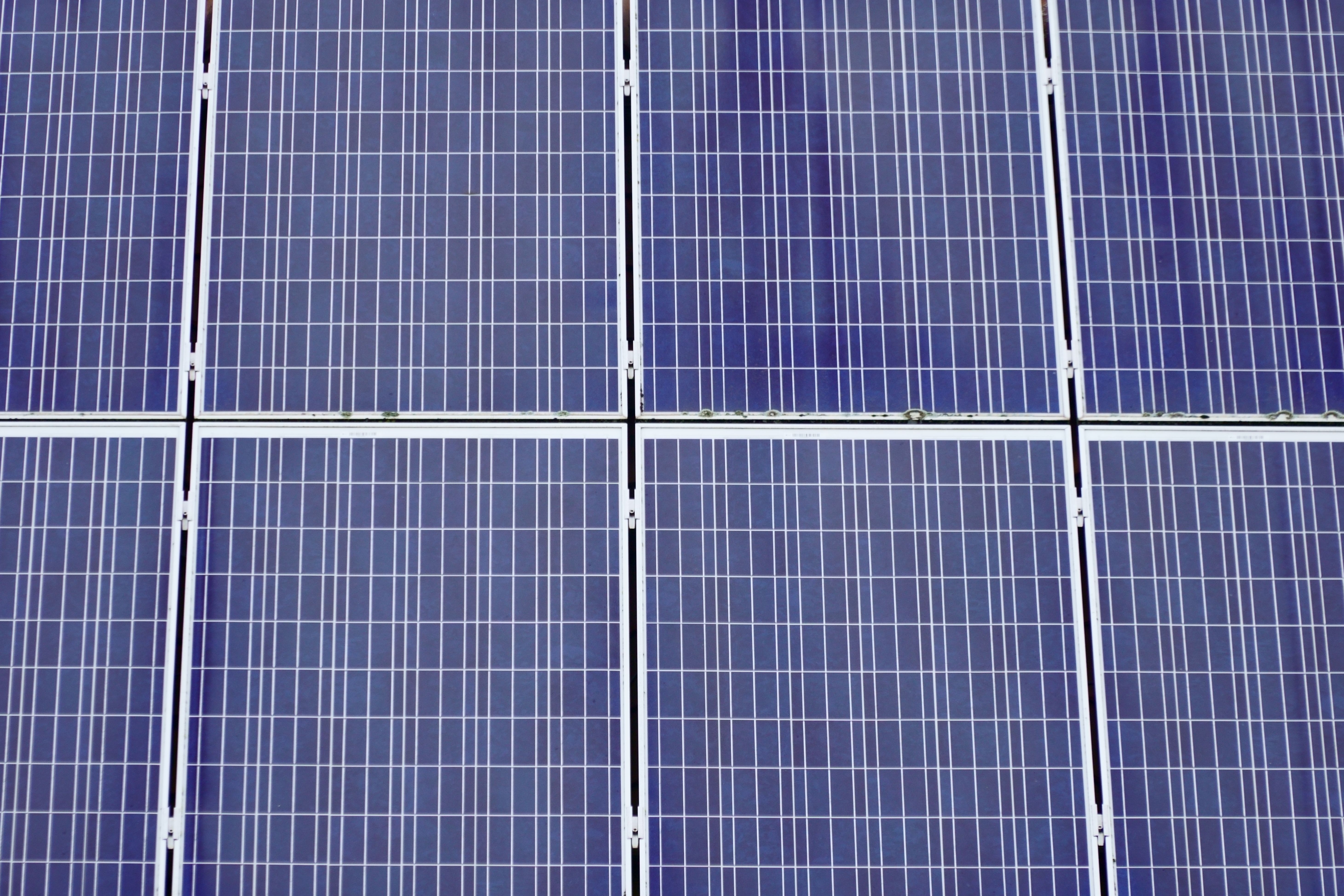
Atomic Summary: NEVER store lead-acid or tubular batteries inside a closed living space like a bedroom or TV lounge, as they release highly toxic and explosive hydrogen gas during charging. Conversely, modern Lithium (LiFePO4) batteries are completely sealed, do not off-gas, and are generally safe for indoor use, provided they are kept away from direct heat and flammable materials. Invest in Tier-1 Lithium with a proper BMS for ultimate indoor safety.
In Pakistan, installing a solar system is no longer a luxury—it is a critical survival mechanism against relentless loadshedding and soaring WAPDA and K-Electric tariffs. When designing a hybrid or off-grid solar system, one of the biggest dilemmas homeowners face is where to physically place the battery bank. Due to the intense summer heat on Pakistani rooftops (where temperatures can easily exceed 45°C) and the pervasive risk of theft in many neighborhoods, bringing the batteries indoors seems like the most logical and secure choice.
But is it truly safe to sleep with a massive energy storage unit right next door or in the hallway? Could an inverter malfunction turn your battery bank into a hazard? The answer entirely depends on the chemistry of the battery you choose, the quality of your installation, and the integration of a pure sine wave hybrid inverter. Let us break down the hidden dangers, the technical truths about off-gassing, and the best practices for keeping your family safe in Pakistan.
The Hidden Danger of Lead-Acid and Tubular Batteries
For decades, traditional lead-acid and tall tubular batteries (often paired with local UPS units) have dominated the Pakistani market. Famous local brands selling 180Ah to 250Ah tubular batteries offer an affordable entry price (ranging around PKR 45,000 to 65,000 each), making them highly popular for combating K-Electric or WAPDA outages.
However, these batteries operate using a liquid electrolyte—a volatile mix of sulfuric acid and water. As your solar panels or the grid charges these batteries, a chemical reaction called electrolysis inevitably occurs. This reaction literally splits the water inside the battery into oxygen and, crucially, hydrogen gas.
What is Off-Gassing and Why is it Deadly?
The release of this gas into the surrounding environment is known in the industry as "off-gassing." Hydrogen gas is completely colorless, odorless, and incredibly flammable. If you place a large 48V bank of four tubular batteries in a sealed bedroom, a small TV lounge, or tucked away underneath a staircase with poor ventilation, this gas will silently accumulate.
All it takes is a single spark—from flipping a light switch, the click of a refrigerator compressor, or a loose AC wire—to ignite the hydrogen pool, causing a catastrophic explosion. Many unexplained house fires in Pakistan during load-shedding seasons are directly linked to poorly ventilated battery arrays.
Alert: The Acid Fume RiskAside from explosive hydrogen, tubular batteries constantly emit trace amounts of corrosive acid fumes. Prolonged inhalation of these fumes in an unventilated living space can cause severe respiratory issues, particularly for children, the elderly, and asthma sufferers. Furthermore, these fumes will slowly corrode nearby electronics, TV screens, and metal fixtures, causing thousands of rupees in secondary damage.
The Modern Alternative: Lithium Iron Phosphate (LiFePO4)
If you intend to keep your solar batteries indoors, there is only one safe technology to consider in 2026: Lithium Iron Phosphate, commonly abbreviated as LiFePO4. While older lithium-ion chemistries (like the NMC cells used in cell phones or early electric vehicles) were prone to overheating and catching fire, LiFePO4 is chemically stable and vastly superior for residential home energy storage.
Because LiFePO4 batteries are completely sealed and utilize dry cell technology, they do not off-gas. There is absolutely no hydrogen, no acid fumes, and zero need to ever top them up with distilled water. From an indoor air-quality perspective, they are perfectly safe to install in a hallway, utility room, or an indoor garage.
The Crucial Role of the BMS (Battery Management System)
While LiFePO4 batteries are inherently safer, any large electrical storage device carries a theoretical risk of "thermal runaway" if severely abused by massive electrical faults. This is exactly why every reputable lithium solar battery (such as Tier-1 brands like Pylontech, Narada, Dyness, or Growatt) contains an integrated Battery Management System (BMS).
The BMS acts as the intelligent brain of the battery pack. If the Pakistani grid sends a massive voltage spike, or if the hybrid inverter malfunctions and attempts to overcharge the battery beyond safe limits, the BMS instantly steps in. It will physically disconnect the internal cells from the terminals to prevent overheating and a potential fire. Cheaper, unbranded lithium batteries smuggled through grey markets often have faulty, bypassed, or non-existent BMS units, making them a massive fire hazard. Always invest in Tier-1, certified batteries.
Comparative Overview: Indoor Safety & Financial Metrics
To help you make an informed financial and safety decision for your home, here is a detailed breakdown of the two prevailing battery technologies in the Pakistani market:
| Feature | Tall Tubular Lead-Acid | Lithium (LiFePO4) | |---|---|---| | **Off-Gassing / Fumes** | High (Emits Hydrogen & Acid Fumes) | None (Completely sealed) | | **Maintenance Needs** | High (Requires monthly distilled water top-ups) | Zero Maintenance | | **Indoor Safety** | Very Poor (Requires dedicated exhaust fans) | Excellent (Safe for indoors) | | **Depth of Discharge** | Max 50% (Draining lower damages it) | Up to 90% DoD | | **Average Lifespan** | 2 to 3 Years (Depending on deep discharge) | 10 to 15 Years (6000+ cycles) | | **Initial Cost Estimate** | PKR 180,000 - 220,000 (For 4x 200Ah setup) | PKR 350,000 - 450,000 (For 5kWh pack) |Step-by-Step Installation Safety Guide for Pakistan
Even if you purchase the most expensive, safest LiFePO4 battery on the market, poor installation by an unqualified local electrician can still result in disaster. Follow these essential numbered steps to ensure your indoor setup is bulletproof:
Step 1: Choose the Optimal Location
Never install batteries directly inside a bedroom or a primary living space if it can be avoided. The ideal indoor location is a dry, well-ventilated utility room, a covered ground-floor garage, or a spacious hallway. Ensure the spot is elevated slightly off the ground to protect against unexpected urban flooding (a highly common issue during the monsoon season in cities like Karachi, Lahore, and Islamabad).
Step 2: Maintain Temperature Control
Batteries hate extreme heat. While bringing them indoors saves them from the scorching 45°C rooftop sun, you must ensure the indoor room does not turn into an oven. Batteries operate best between 20°C and 25°C. High ambient temperatures will degrade lithium cells faster, severely reducing your expensive investment's total lifespan.
Step 3: Mandate Proper Wire Gauge and Breakers
A leading cause of indoor solar fires in Pakistan is not the battery itself, but the use of cheap, undersized DC cables. A 48V battery bank pulling 100 amps requires very thick, pure copper cabling. If the wire is too thin, it acts like a resistor, heating up until the insulation literally melts and catches fire. Ensure your installer uses a heavy-duty DC circuit breaker (at least 125A for a 5kW system) situated right next to the battery for emergency shutoff.
Step 4: Ensure Structural Integrity
A standard 5kWh lithium battery weighs over 50kg. If you are wall-mounting it, ensure the wall is solid brick or concrete, not a flimsy gypsum partition. Use heavy-duty anchor bolts. If placing them on the floor, always use a dedicated, non-combustible metal rack to allow airflow.
Step 5: Install Smoke Alarms
Regardless of the technology you use, installing a basic, battery-operated smoke detector directly above the inverter and battery bank is a cheap and incredibly effective insurance policy. For less than PKR 3,000, you buy yourself critical warning time in the rare event of an electrical smolder.
Final Thoughts: Is the Extra Cost Worth It?
Upfront, a proper lithium setup is nearly double the cost of a tubular array. However, when you factor in the zero maintenance, the 10+ year lifespan, the ability to drain the battery to 10% without damaging it, and crucially, the absolute peace of mind of not having explosive gases venting into your home—the decision is abundantly clear.
Do not compromise the safety of your family to save a few thousand rupees on outdated lead-acid technology. If you are financing your system through a scheme like Meezan Bank’s Solar Financing, always bundle a Tier-1 LiFePO4 battery into the total loan amount. It is the only sensible choice for modern indoor solar setups in Pakistan.
Frequently Asked Questions (FAQ)
Can I put tubular lead-acid batteries in my bedroom?
No. Tubular lead-acid batteries release toxic hydrogen gas and acid fumes during charging. Keeping them in an unventilated bedroom poses severe health risks and extreme fire/explosion hazards.
Are Lithium (LiFePO4) batteries safe for indoor installation in Pakistan?
Yes, LiFePO4 batteries are sealed and do not release any off-gassing. They contain a Battery Management System (BMS) that prevents overheating, making them safe for indoor installation, provided they are kept away from direct heat sources.
Why do batteries explode?
Lead-acid batteries can explode if hydrogen gas accumulates in a sealed room and meets a spark. Poor-quality lithium batteries can catch fire due to "thermal runaway" if they lack a proper BMS to prevent overcharging during grid fluctuations.