Solar Earthing & Grounding Guide Pakistan 2026: Lightning & Surge Protection
By PSI Editorial · 7 min read · Updated September 2026
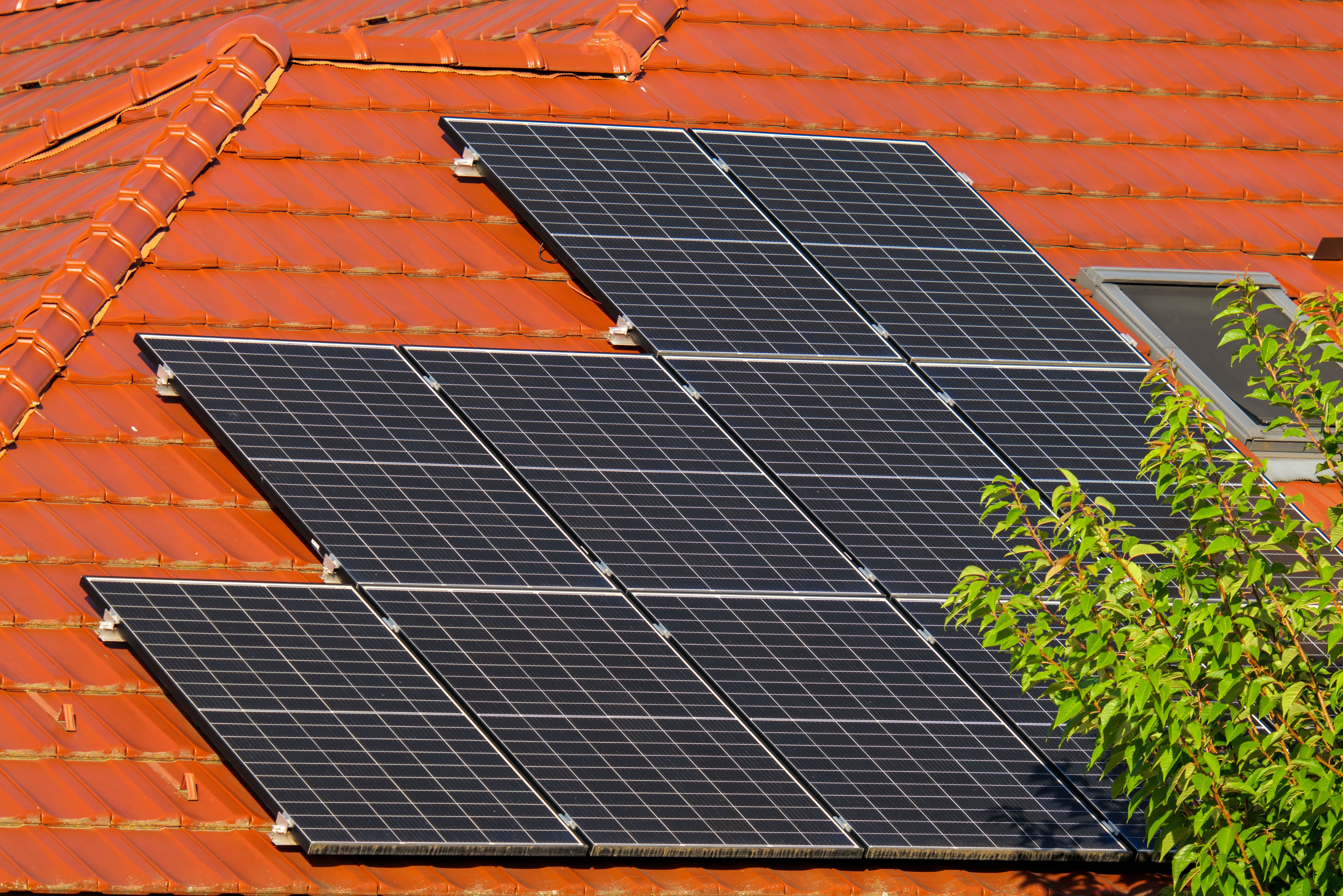
Atomic Summary: Skipping proper earthing is the single fastest way to destroy a Rs. 250,000+ hybrid inverter during Pakistan's thunderstorm and monsoon seasons. A compliant installation requires at least two separate chemical earthing pits (resistance under 5 Ohms): one for equipment & SPDs, and one dedicated to the rooftop lightning arrestor. Total cost per chemical bore pit is Rs. 18,000–28,000.
Chemical Earthing vs Traditional Charcoal/Salt Earthing
| Earthing Method | Lifespan | Ohm Resistance | Maintenance | Avg. Cost (PKR) |
|---|---|---|---|---|
| Chemical Earthing (Bentonite / BFC) | 15–20+ Years | < 2.0 Ohms (Ideal) | Zero maintenance | Rs. 18,000–28,000 |
| Traditional Charcoal & Salt | 2–4 Years | 5.0–15.0 Ohms | Needs regular watering | Rs. 8,000–12,000 |
| Water Pipe Tap (Illegal/Dangerous) | N/A | > 50 Ohms (Hazard) | Electrification danger | Rs. 0 |
The 3-Zone Solar Protection Architecture
A professional solar installation in Pakistan divides grounding into three distinct protective paths:
- Structure Grounding (Green Wire): Connects all aluminium panel frames and galvanized steel mounting stands together with 16mm² copper wire to eliminate static electric buildup and touch-voltage danger.
- Inverter & SPD Earthing: Connects the DC and AC surge arrestors in your distribution box (DB) directly to a dedicated earthing rod so transient voltage spikes dump into the soil within microseconds.
- Lightning Arrestor (Franklin Rod / ESE): Installed at the highest rooftop point (at least 2 meters above the top solar panel), routed via heavy 25mm²–35mm² bare copper or insulated down-conductor to its own isolated ground pit at least 15 feet away from the house foundation.
Frequently Asked Questions
Why is earthing mandatory for solar systems in Pakistan?
Earthing prevents high-voltage DC surges, grid spikes, and direct or indirect lightning strikes from blowing up inverter electronics, while preventing electrical shock hazards for homeowners.
How many earthing pits are required for a residential solar system?
A minimum of 2 independent pits are recommended: one for equipment/surge protection (inverter & SPDs) and one dedicated exclusively for the lightning arrestor rod.
What is an acceptable earth resistance value?
Under international IEC and NEPRA guidelines, solar earth resistance should measure strictly below 5 Ohms (ideally below 2 Ohms on a calibrated earth resistance clamp meter).
Related: Solar DC Cable Guide · Panel Security Guide · Best Inverters