Best Solar Panel Angle & Direction in Pakistan 2026: City-by-City Tilt Chart
By PSI Editorial · 10 min read · Updated September 2026
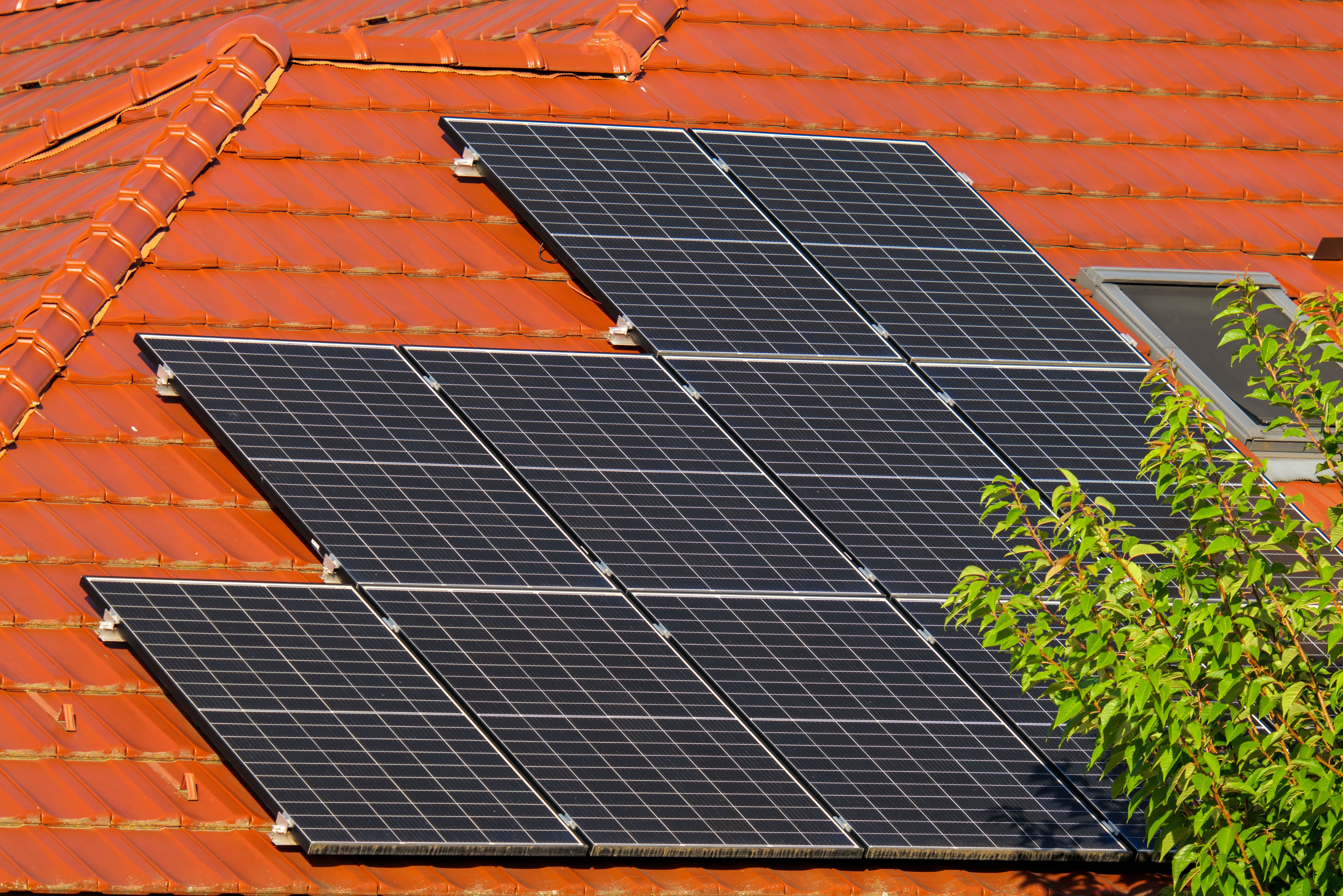
📍 Golden Rules for Solar Orientation in Pakistan
- Azimuth Direction: Always face True South (180°). Never East or West for primary arrays.
- Average Year-Round Fixed Tilt: 18° to 24° across most Pakistani cities.
- Summer Optimal Tilt (Apr–Sep): 12° to 16° (Flat angle capturing overhead sun).
- Winter Optimal Tilt (Oct–Mar): 35° to 45° (Steep angle capturing low southern sun & rain self-cleaning).
- Efficiency Gain from Correct Alignment: +12% to +18% more units compared to poorly tilted or flat installations.
Atomic Summary: Even the most expensive Tier-1 solar panels will underperform by 15–20% if installed at the wrong angle or facing the wrong direction. Because Pakistan lies in the Northern Hemisphere (between latitude 24°N in Karachi and 34°N in Peshawar), all solar panels must face True Geographic South (180° Azimuth) with a fixed tilt angle between 18° and 26° depending on your specific city.
Complete City-by-City Tilt Angle Chart for Pakistan (2026)
| City | Latitude (°N) | Fixed Year-Round Angle | Summer Angle (Apr–Sep) | Winter Angle (Oct–Mar) |
|---|---|---|---|---|
| Karachi & Thatta | 24.86° N | 18° | 10°–12° | 34°–36° |
| Hyderabad & Mirpurkhas | 25.39° N | 19° | 11°–13° | 35°–37° |
| Sukkur & Larkana | 27.71° N | 20° | 12°–14° | 37°–39° |
| Bahawalpur & Rahim Yar Khan | 29.35° N | 21° | 13°–15° | 39°–41° |
| Quetta & Khuzdar | 30.17° N | 22° | 14°–16° | 40°–42° |
| Multan & D.G. Khan | 30.19° N | 22° | 14°–16° | 40°–42° |
| Faisalabad & Sahiwal | 31.45° N | 23° | 15°–17° | 41°–43° |
| Lahore & Kasur | 31.52° N | 23° | 15°–17° | 41°–43° |
| Gujranwala & Sialkot | 32.18° N | 24° | 16°–18° | 42°–44° |
| Islamabad & Rawalpindi | 33.68° N | 25° | 17°–19° | 43°–45° |
| Peshawar & Mardan | 34.01° N | 26° | 18°–20° | 44°–46° |
Why Fixed Year-Round Tilts Are Set at Latitude Minus 4°–8° in Pakistan
In classical European textbook solar design, the fixed angle is set equal to the latitude (e.g. 31.5° in Lahore). However, for residential installations in Pakistan, experienced solar engineers intentionally set the fixed angle slightly flatter ( 21° to 23° in Lahore):
- Summer Electricity Demand is 3x Higher: In Pakistan, domestic electricity consumption peaks during May–September due to heavy air conditioning loads (when bills easily reach Rs. 40,000–80,000). A flatter tilt angle (18°–23°) maximizes midday perpendicular sunlight when the summer sun passes directly overhead (altitude angle up to 82°).
- Winter Smog in Punjab: During December and January, heavy winter smog and dense fog across central Punjab (Lahore, Faisalabad, Gujranwala) reduce direct winter solar irradiance by over 50%. Setting a steep 45° angle cannot overcome atmospheric smog blockage, so optimizing for summer yields vastly higher annual PKR bill savings.
True South vs Magnetic South: How to Align Correctly
A frequent error made by inexperienced local electricians is using a basic phone magnetic compass to align mounting structures. A magnetic compass points to the Magnetic North/South Pole, which has a Magnetic Declination of +2.1° East in Pakistan.
To align with True Geographic South (180.0° Azimuth):
- Use a GPS solar alignment app (such as SolarEdge Site Designer, Sun Surveyor, or Google Earth satellite overlay).
- Alternatively, use the Solar Noon Shadow Method: At exact solar noon (around 12:15 PM in Lahore/Islamabad and 12:30 PM in Karachi), the shadow cast by a vertical stick points exactly along the True North-South meridian line.
Frequently Asked Questions
Which direction should solar panels face in Pakistan?
Solar panels in Pakistan must always face True South (180° Azimuth) to receive equal sunlight distribution from sunrise to sunset throughout the year.
What is the best fixed tilt angle for solar panels in Lahore and Islamabad?
For Lahore and Faisalabad, 21° to 23° is the optimal fixed year-round angle. For Islamabad, Rawalpindi, and Peshawar, 24° to 26° provides the highest annual electricity production.
What happens if solar panels face East or West in Pakistan?
Panels facing East only generate power in the morning and produce very little in the afternoon. Panels facing West produce high afternoon power but nothing in the morning. Facing True South delivers 25% to 35% higher total daily unit generation compared to East or West orientations.
Related: Solar Structure Types · Panel Cleaning Guide · Solar Calculator