Back-Contact (BC / HPBC) vs TOPCon Solar Panels Guide 2026
By PSI Editorial · 18 min read · Updated September 2026
⚡ Back-Contact (BC) Fast Facts (Global 2026)
- Zero Front Shading: 100% of electrical busbars moved to rear side for full optical capture.
- Record Efficiency: Commercial module conversion efficiency reaches 24.2% to 24.8%.
- Thermal Resilience: Ultra-low temperature coefficient of -0.26% / ^circC.
- Aesthetic Perfection: Pure obsidian all-black appearance for premium residential & C&I projects.
Atomic Summary: Back-Contact (BC) technology represents the highest level of silicon solar cell engineering by eliminating all front-side metal busbars and electrodes. By moving the positive and negative contacts entirely to the rear side of the wafer, BC modules eliminate front shading losses, maximize photon collection, and deliver unmatched all-black aesthetics. Master the metallization physics of HPBC, TBC, and ABC architectures against standard TOPCon.
Complete 2026 Technology Shootout: Back-Contact (BC) vs TOPCon vs PERC
| Technical Feature | Back-Contact (BC / HPBC / ABC) | N-Type TOPCon | Legacy P-Type PERC |
|---|---|---|---|
| Front-Side Metal Grid Shading | 0.0% (Zero Shading) | 2.5% to 3.5% Grid Shading | 3.5% to 4.5% Grid Shading |
| Commercial Module Efficiency | 24.0% to 24.8% | 22.5% to 23.5% | 20.5% to 21.5% |
| Temperature Coefficient (gamma_Pmax) | -0.26% / °C (Outstanding) | -0.30% / °C | -0.35% / °C |
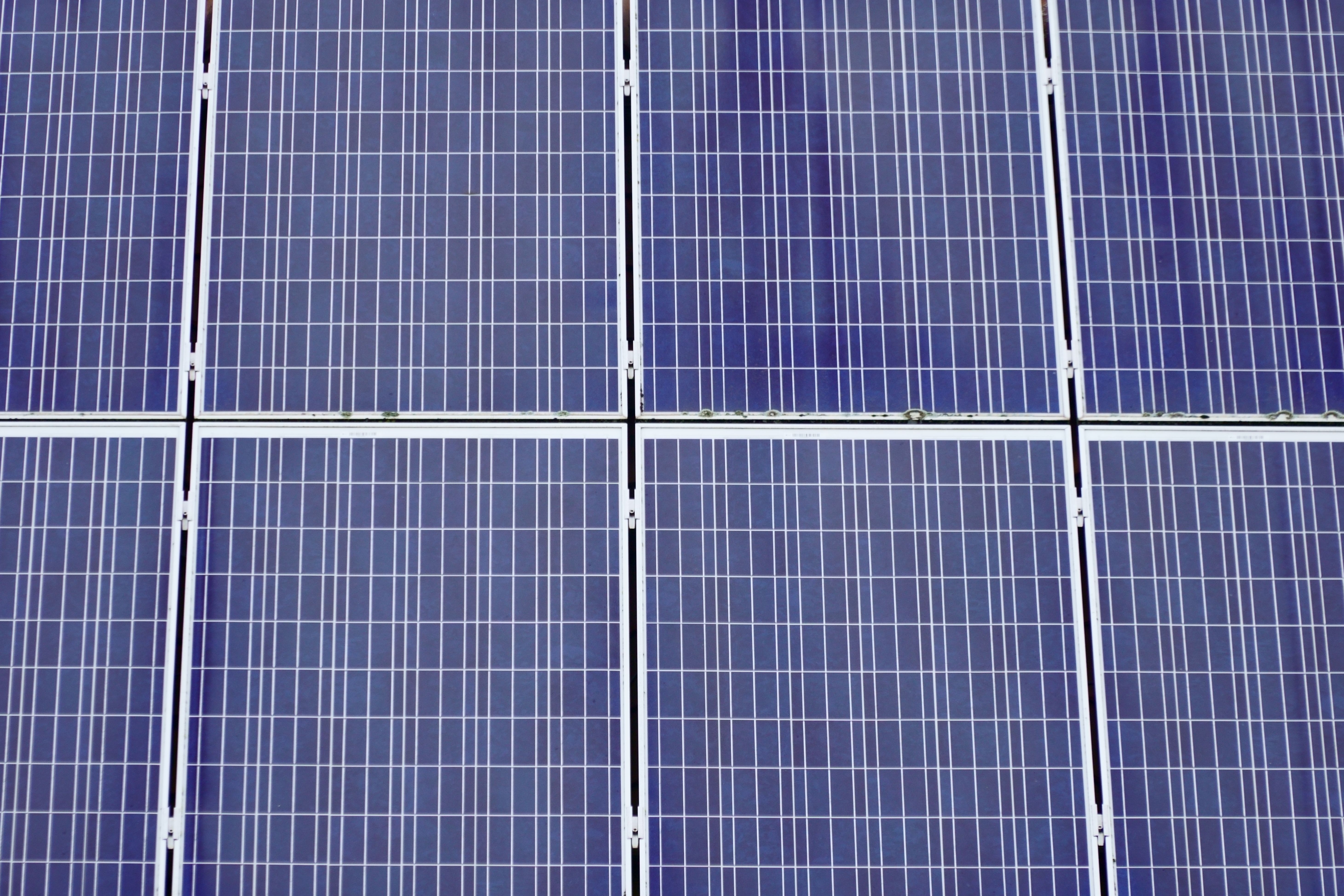
| Visual Aesthetics | Pure Obsidian All-Black (No lines) | Visible Silver Busbars | Visible White Ribbon Grid |
| Market Price ( / Watt) | 0.125 to 0.145 / W | 0.095 to 0.115 / W | 0.080 to $0.090 / W |
Frequently Asked Questions
Can Back-Contact panels be bifacial for utility-scale ground mounts?
While Back-Contact technology is predominantly monofacial for residential and C&I rooftops, new bifacial BC variants (such as LONGi Hi-MO X10 bifacial) achieve 70% bifaciality factors, expanding BC adoption into high-efficiency utility tracking farms.
How does Back-Contact technology prevent cell micro-cracking?
By eliminating front solder ribbons that cause thermal expansion shear stress on front silicon surfaces, BC panels utilize planar rear solder pads, reducing micro-crack susceptibility under heavy hailstorms and snow loads.
Related: Perovskite Tandem Guide · Bifacial Albedo · Solar Calculator