Solar Panel Cleaning Robots: Pakistan 2026 Buyer's Guide
By PSI Editorial • June 8, 2026
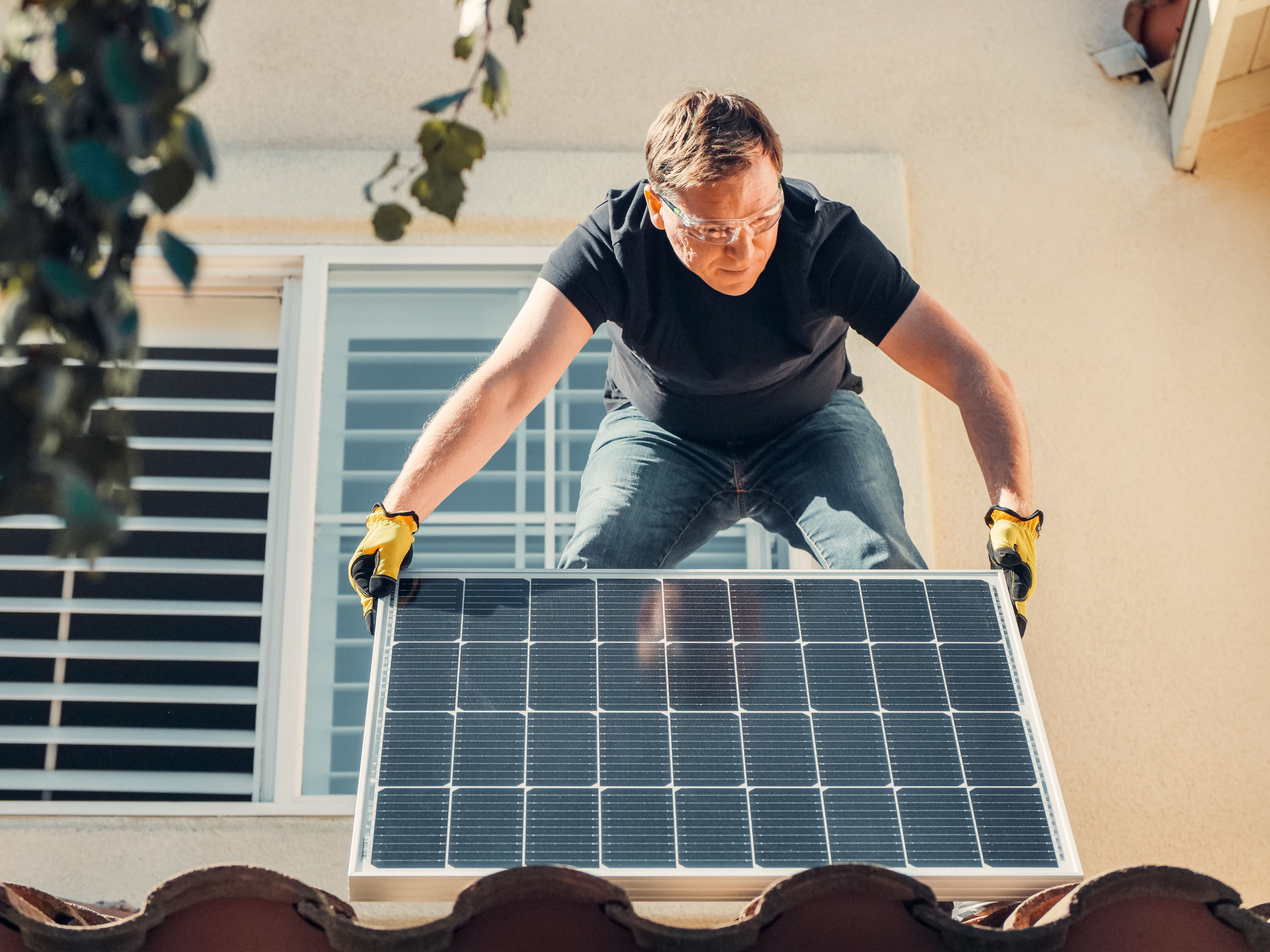
Atomic Summary: Solar panel cleaning robots cost upwards of PKR 200,000, making them financially unviable for standard 5kW to 10kW home installations where manual cleaning with a microfiber mop is recommended. However, for commercial and industrial setups of 50kW and above, automated cleaning systems are highly viable. They combat Pakistan's severe dust and smog, recovering their cost within two to three years by preventing significant output losses.
Washing your solar panels every week is a chore. In Pakistan, where dust, agricultural soil, smog, and bird droppings build up at an alarming rate, it is not just a chore—it is an absolute necessity to prevent massive generation losses. Enter solar cleaning robots: automated or semi-automated machines that sweep dust off your panels daily, promising to eliminate manual labor and keep your system at peak performance. But are these high-tech machines truly worth the investment, or are they a costly gimmick?
Why Panel Cleaning Matters in Pakistan: The Soiling Challenge
In Pakistan's climate, solar panels face intense soiling. Agricultural dust in Punjab, desert sand in Thar and Cholistan, dense winter smog in Lahore, and coastal grime in Karachi create a sticky film on solar glass. Bird droppings also cause localized shading.
This debris is a primary reason for solar panels not generating power at their rated capacity. During Lahore's winter smog or dry summer months, uncleaned panels lose fifteen to twenty percent of their efficiency in a single month, rising to over thirty-five percent in severe cases. This directly cuts your electricity savings and delays system payback.
Under Pakistan's new net billing regulations introduced in February 2026, the export rate for solar energy dropped to approximately Rs 8.13 per unit. Because importing grid power remains expensive (exceeding Rs 50 per unit), solar owners must maximize self-consumption. Dirty panels reduce your daytime generation, forcing you to import more power from the grid. Keeping panels clean ensures you offset high grid tariffs rather than buying expensive power.
Types of Solar Panel Cleaning Robots in Pakistan
1. Semi-Automatic Waterless Rolling Brushes
These remote-controlled or hand-guided rollers feature high-speed microfiber brushes that sweep dust off panels. Guided by an operator standing on a maintenance walkway, they are highly flexible and popular for commercial roofs (20kW to 50kW) with accessible, continuous rows. They cost between PKR 200,000 and PKR 350,000.
2. Fixed Automated Rail Systems
These systems are permanently installed on metal tracks along the array. They slide horizontally, cleaning panels with dry brushes or water sprayers at scheduled times. While highly efficient and requiring zero manual labor, they are custom-designed and expensive, starting from PKR 500,000.
3. Autonomous Crawler Robots
These advanced robots use rubber tracks or suction pads to climb directly onto solar glass without rails. Equipped with sensors and edge detectors, they navigate around obstacles autonomously. They are ideal for large commercial arrays and utility solar farms.
Here is a comparison of the different robotic cleaning technologies and their typical costs in the Pakistani market as of June 2026:
| Robot Type | Cleaning Method | Ideal System Size | Estimated Price (PKR) |
|---|---|---|---|
| Semi-Automatic Roller | Waterless dry brushing | 20kW to 100kW | PKR 200,000 to PKR 350,000 |
| Fixed Rail-Mounted System | Dry or water combination | 50kW to 500kW | PKR 500,000 to PKR 900,000 |
| Autonomous Crawler Robot | Waterless vacuum and brush | 500kW plus | PKR 1,200,000 to PKR 2,000,000+ |
Water-Based vs. Waterless Robotic Cleaning
Water Scarcity and Mineral Scaling in Pakistan
Water-based robots spray water to wash panels. However, Pakistan faces severe water scarcity, especially in Karachi and Southern Punjab. Using thousands of liters of clean water on solar panels is highly unsustainable. Furthermore, tap or bore water in Pakistan contains high levels of dissolved minerals (TDS). When sprayed on hot solar glass, it evaporates and leaves a white calcium carbonate scaling (lime scale). This scaling blocks sunlight and can permanently degrade panel performance.
Waterless Dry Brushing
Waterless robots use microfiber rollers rotating at high speeds (over one thousand revolutions per minute) to sweep away dust without water. The rotating bristles generate a slight electrostatic charge that attracts and lifts fine dust without scratching the glass. This dry brushing method is highly sustainable, prevents mineral scaling, and is the preferred approach for dry regions in Pakistan.
Return on Investment (ROI): Is a Robot Worth It?
Scenario A: The 5kW to 10kW Residential Rooftop
A standard 10kW solar system in Pakistan consists of sixteen to eighteen panels. A basic semi-automatic cleaning robot costs at least PKR 200,000. In comparison, a homeowner can easily clean these panels in fifteen minutes using a microfiber mop and soft water. If you hire a local helper to wash them twice a month, it costs between PKR 1,500 and PKR 3,000 monthly (PKR 18,000 to PKR 36,000 annually). It would take over six to ten years of manual labor costs to match the robot's price. Factor in battery replacements and maintenance, and the residential ROI is completely negative. For residential systems, manual cleaning is safe and easy. If you are worried about damaging your panels, read our guide on how to clean solar panels safely to avoid common mistakes.
Scenario B: The 50kW+ Commercial or Industrial Plant
For commercial and industrial solar systems of 50kW and above, the economics change completely. A 100kW industrial setup has about one hundred and eighty panels, often installed on high factory roofs. Manual cleaning requires hiring workers, buying safety harnesses, and managing height-related safety risks. Manual labor and safety management for a 100kW plant costs PKR 25,000 to PKR 40,000 monthly (PKR 300,000 to PKR 480,000 annually). In this case, a PKR 500,000 cleaning robot pays for itself in less than eighteen months. Since the robot cleans panels daily, it also prevents the ten to fifteen percent daily generation losses caused by industrial smog and dust in areas like Karachi's Korangi or Lahore's Sundar Industrial Estate.
Maintenance, Failure Points, and Operational Risks
Abrasive Dust and Mechanical Wear
The fine silica sand in Pakistan is highly abrasive. Dust penetrates the robot's gears, wheels, and seals. Without daily cleaning of the robot, this grit grinds down internal parts, causing motor or gear failure within months.
Extreme Heat and Battery Life
Most autonomous robots run on lithium-ion batteries. In Pakistan's summer, rooftop temperatures exceed sixty degrees Celsius. These extreme temperatures accelerate battery degradation, requiring pack replacements every twelve to eighteen months, which adds to operational costs.
Micro-Cracks and Warranty Issues
A heavy or malfunctioning robot can cause micro-cracks in the silicon cells. These cracks are invisible to the naked eye but cause hot spots and panel failure. Critically, damage from third-party cleaning machines can void your manufacturer's linear performance warranty.
Wind and Fall Hazards
High winds during monsoon storms in Punjab or dust storms in Sindh can blow a robot off the roof if it is not safely anchored, destroying the machine and damaging panels or injuring people below.
Step-by-Step Recommendations for Pakistani Solar Buyers
- For Residential Systems (5kW to 10kW): Do not purchase a cleaning robot. Stick to manual cleaning. Use a soft microfiber mop with an extendable handle and clean, low-mineral water to wash your panels twice a month.
- For Commercial Systems (50kW+): Evaluate automated waterless rolling brushes or autonomous crawler robots. They offer a fast payback period by reducing labor costs and maximizing daily solar generation in dusty regions.
- Protect Your Inverter: While clean panels are essential, do not neglect your inverter. A dusty inverter can overheat and shut down. Read our guide on how to protect your inverter from dust and heat to keep your system safe.
- Choose Waterless Systems in Hard-Water Areas: If your bore or tap water has a high TDS level, choose dry brushing to avoid scaling. If you must wash with water, use purified, demineralized water.
- Schedule Cleaning Wisely: Always clean your panels in the early morning (before 8:00 AM) or late evening. Washing hot panels with cold water can cause thermal shock, which can crack the protective solar glass.
Frequently Asked Questions
Are solar panel cleaning robots worth it for residential homes in Pakistan?
No, automated solar panel cleaning robots are not financially viable for a standard 5kW to 10kW home. They cost upwards of PKR 200,000, whereas manual cleaning using a microfiber mop and water is highly cost-effective and takes only a few minutes. The return on investment for a residential robot is virtually non-existent.
What is the price of a solar panel cleaning robot in Pakistan?
In 2026, the price of a basic semi-automatic solar panel cleaning robot in Pakistan starts at approximately PKR 200,000. Fully automated rail-mounted systems or crawler robots for large-scale projects can range from PKR 500,000 to over PKR 1,500,000 depending on the array length and features.
Should I choose a water-based or waterless cleaning robot in Pakistan?
For most regions in Pakistan, especially water-stressed cities like Karachi or dry areas in Southern Punjab, waterless cleaning robots with rotating microfiber rollers are highly recommended. They conserve water and prevent hard-water scaling (calcification) on the glass, which can permanently degrade panel performance.
At what system size do automated cleaning robots become financially viable?
Automated solar cleaning robots are highly viable for commercial, industrial, or agricultural systems of 50kW and above. For these larger setups, the labor costs of manual washing, height-related safety risks, and substantial output losses from dust make robotic cleaning a highly profitable investment with an ROI of under three years.