Solar Panel Efficiency Rating Explained 2026: 21% vs 23% vs 25% Module Benchmarks in Pakistan
By PSI Editorial · 14 min read · Updated September 2026
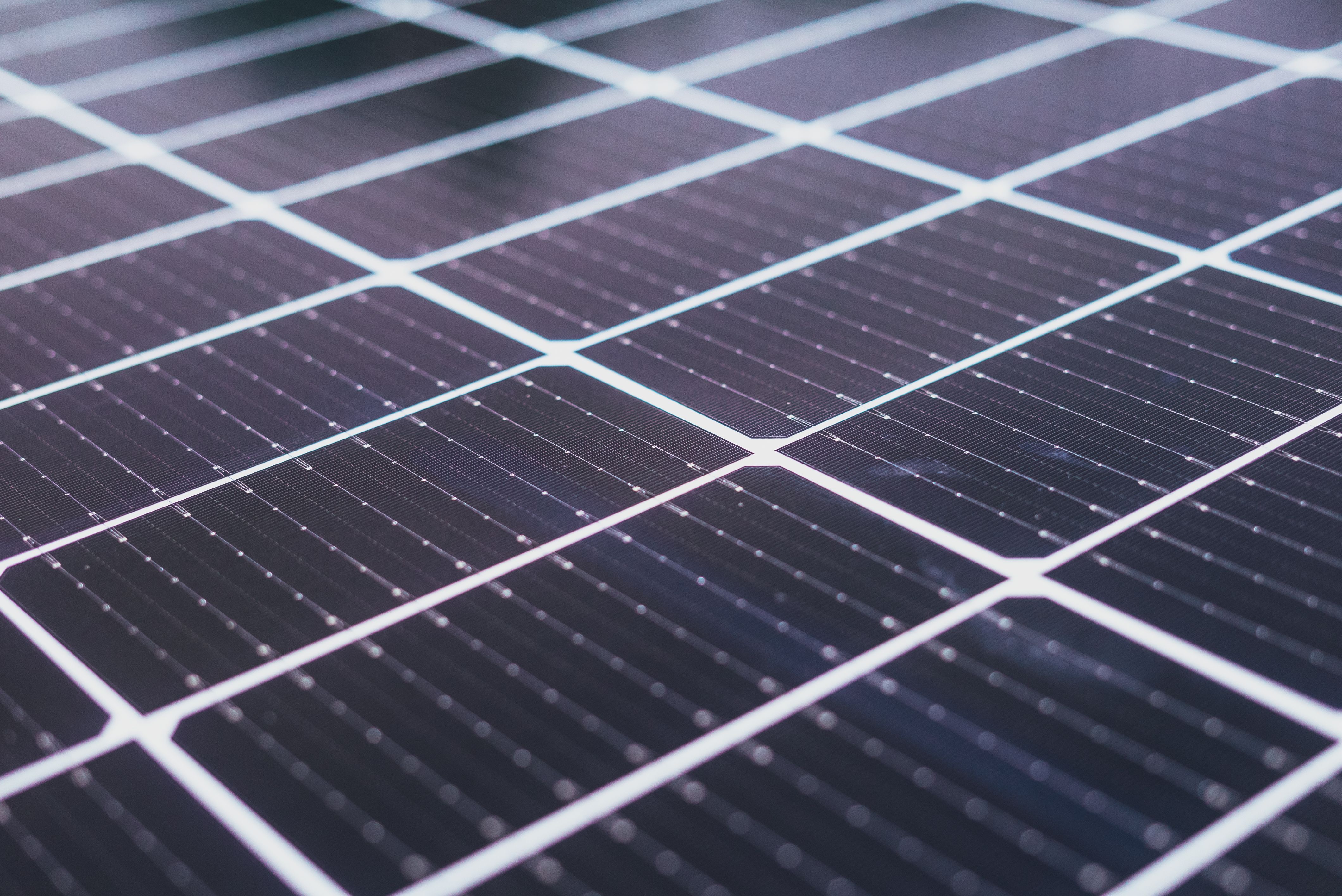
📐 Efficiency Benchmarks in Pakistan (2026)
- Older Polycrystalline (2018–2020): 15% to 17% (Obsolete / Discontinued).
- Standard Mono PERC (P-Type): 20.5% to 21.6% (Economy Choice).
- Mainstream N-Type TOPCon: 22.2% to 23.2% (The 2026 Industry Sweet Spot).
- Premium HJT & All-Back-Contact (ABC): 24.0% to 25.4% (Luxury High-Density).
Atomic Summary: Solar panel efficiency indicates the exact percentage of sunlight energy converted into usable electricity per square meter of panel surface. In 2026 Pakistan, efficiency ratings have surged from 17% in older poly panels to over 22.8% in modern N-type TOPCon modules. Higher efficiency allows homeowners with limited roof space (5 & 10 Marla) to generate 30% more power from the exact same roof dimensions.
How Solar Efficiency is Calculated (The Universal Formula)
Every solar panel datasheet lists an efficiency percentage calculated under international standard laboratory conditions (STC: 1,000 W/m² irradiance, 25°C cell temperature, and Air Mass 1.5 spectrum):
🧮 The Standard Efficiency Formula
Module Efficiency (%) = [Rated Maximum Power (Pmax in Watts) ÷ (Surface Area in m² × 1,000 W/m²)] × 100
Worked Example on a 585W Tier-1 Panel:
- Panel Length = 2.278 meters | Width = 1.134 meters.
- Total Surface Area = 2.278m × 1.134m = 2.583 m².
- Efficiency = [585W ÷ (2.583 m² × 1,000)] × 100 = 22.64% Efficiency.
Efficiency vs Roof Space Required: Sizing a 5kW System
The practical advantage of higher efficiency is physical rooftop space savings:
| Technology & Efficiency Class | Module Wattage | Panels Needed for 5kW | Total Roof Area Required | Suitability for 5 Marla Roofs |
|---|---|---|---|---|
| Old Polycrystalline (16.5%) | 330W Poly | 15 Panels | 345 sq ft (Massive footprint) | Poor (Does not fit) |
| Standard Mono PERC (21.2%) | 540W Mono | 10 Panels | 270 sq ft | Good (Tight fit) |
| Modern N-Type TOPCon (22.8%) | 585W N-Type | 9 Panels | 235 sq ft (-32% less roof space!) | Ideal (Fits easily on single frame) |
| Premium HJT / Back-Contact (24.5%) | 620W HJT | 8 Panels | 210 sq ft | Excellent (Higher cost premium) |
STC vs NOCT: Laboratory Rating vs Pakistani Real-World Output
Every prospective solar buyer in Pakistan must understand the crucial difference between two ratings printed on solar datasheets:
- STC (Standard Test Conditions): Tested at 25°C (77°F) cell temperature in an air-conditioned laboratory. This is the official rated nameplate capacity (e.g. 585 Watts).
- NOCT (Nominal Operating Cell Temperature): Simulates realistic outdoor summer conditions: 20°C ambient air, 800 W/m² irradiance, and a light 1 m/s breeze. Under NOCT, cell temperatures naturally rise to 45°C, and the rated output of a 585W panel measures approximately 440 to 450 Watts.
Frequently Asked Questions
Is a 23% efficiency panel always better than a 21% panel in Pakistan?
If you have limited roof space (e.g. 5 Marla house), yes — 23% efficiency lets you install more kilowatts. However, if you have unlimited ground space on a farm or factory, cost-per-watt (PKR/Watt) is more important than pure efficiency percentage.
How fast do solar panel efficiency ratings degrade over 25 years?
Modern N-type TOPCon panels degrade by less than 1.0% in the first year and only 0.40% per year thereafter, guaranteeing at least 87.4% to 89% of original efficiency after 25 to 30 years of continuous operation.
Related: Summer Heat Efficiency Loss · Tier-1 Panel Brands · Solar Calculator