Solar Panel Potential Induced Degradation (PID) Guide Pakistan 2026: Causes & Recovery
By PSI Editorial · 15 min read · Updated September 2026
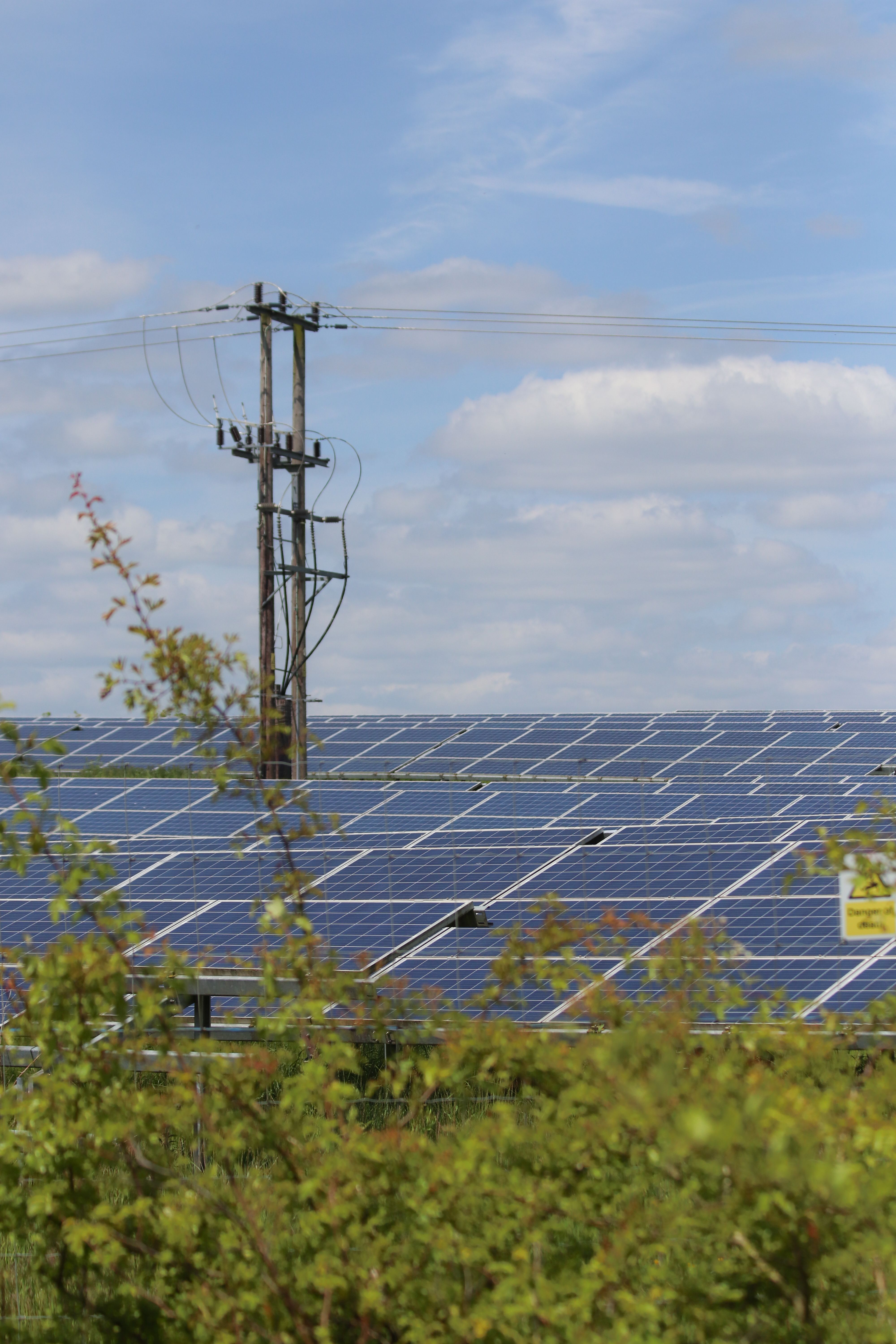
⚠️ PID Degradation Fast Facts (Pakistan 2026)
- Silent Yield Killer: Causes 20% to 40%+ generation loss without visible external damage.
- High-Risk Zones: High humidity & heat corridors (Karachi, Gwadar, Thatta, Badin, South Punjab).
- The Root Cause: High negative string voltage drives sodium ions (Na+) from glass into the silicon cell.
- The Solution: Certified IEC 62804 PID-Free Panels (POE Encapsulation) + Night Anti-PID Inverters.
Atomic Summary: Potential Induced Degradation (PID) is one of the most insidious phenomena in photovoltaic engineering. A solar array can look pristine and spotless from the outside while silently losing over a third of its daily energy output. Understanding the electrochemical physics of PID empowers Pakistani homeowners and commercial plant engineers to protect their multi-million rupee investments.
The Electrochemical Physics: How Sodium Ion Drift Destroys Solar Cells
In high-voltage transformerless solar string inverters (where string voltages reach 600V to 1,000V DC), the solar cells near the negative terminal of the string operate at a massive negative electrical potential relative to the earth ground:
- High Electrical Gradient: The aluminum module frame is securely grounded to earth (0 Volts). The silicon cells inside operate at -400V to -800V DC. This creates an intense electric field across the 3.2mm front glass and EVA encapsulant layer.
- Sodium (Na+) Ion Migration: Front cover solar glass contains sodium oxide (Na2O). Under high heat (40°C+) and humidity, positive sodium ions (Na+) become mobile and are pulled by electrostatic attraction straight into the microscopic crystal lattice of the silicon solar cell.
- Microscopic Cell Shunting: Once inside the P-N junction, the sodium ions create low-resistance parasitic leakage pathways (shunts). The cell loses its built-in electric field, causing open-circuit voltage (Voc) and Fill Factor (FF) to collapse.
PID Risk Matrix Across Pakistani Operating Climates
| Region / City in Pakistan | Humidity & Temp Profile | PID Risk Level | Recommended Technology Standard |
|---|---|---|---|
| Karachi, Gwadar & Coastal Sindh | Humidity > 80%, Marine Salt Air, 35°C–42°C | CRITICAL RISK | Dual-Glass POE Encapsulated + IEC 62804 Certified |
| Lahore, Gujranwala & Central Punjab | High Monsoon Humidity (July–Sep) + Heavy Smog | MODERATE TO HIGH | N-Type TOPCon Anti-PID Modules |
| Multan, Bahawalpur & Sukkur | Extreme Dry Heat (48°C–52°C), Low Humidity | LOW TO MODERATE | Standard Tier-1 Anti-PID Modules |
| Quetta, Gilgit & Northern Mountains | Dry, Thin Air, Sub-Zero Winter Cold | NEGLIGIBLE | Standard Tier-1 Photovoltaic Modules |
How Modern Anti-PID Technology Eliminates the Threat
- Polyolefin Elastomer (POE) Encapsulation: Traditional Ethylene Vinyl Acetate (EVA) film produces acetic acid when exposed to moisture, which attacks cell glass. Modern Tier-1 modules (Jinko Tiger Neo, LONGi Hi-MO 6, Canadian Solar) use advanced POE encapsulant layers that provide 100x higher moisture barrier resistance and zero sodium ion drift.
- Nocturnal Reverse Voltage Inverter Recovery: Commercial inverters (Huawei SUN2000, Sungrow SG series) feature integrated Anti-PID Recovery firmware. Every night between 1:00 AM and 4:00 AM, the inverter injects a safe reverse positive DC potential across the array, pulling all migrated sodium ions back into the glass and restoring 100% cell performance!
Frequently Asked Questions
How can you detect PID on existing solar panels in Pakistan?
PID is detected through on-site Electroluminescence (EL) Camera Inspection or daytime string I-V curve tracing. On an EL image, PID-affected cells appear as distinctly dark, non-emitting black squares located nearest to the aluminum frame edges.
Are N-Type TOPCon solar panels completely immune to PID?
N-Type TOPCon panels feature passivated contact layers and are naturally far more resistant to PID (under standard IEC 62804 testing, degradation is under 1% over 192 hours of extreme 85°C/85% RH exposure).
Related: Thermal Hotspots Guide · Tier-1 Panels Directory · Solar Calculator