Solar Subsidies in Pakistan 2026: Schemes, Financing & Government Relief
By PSI Editorial • June 8, 2026
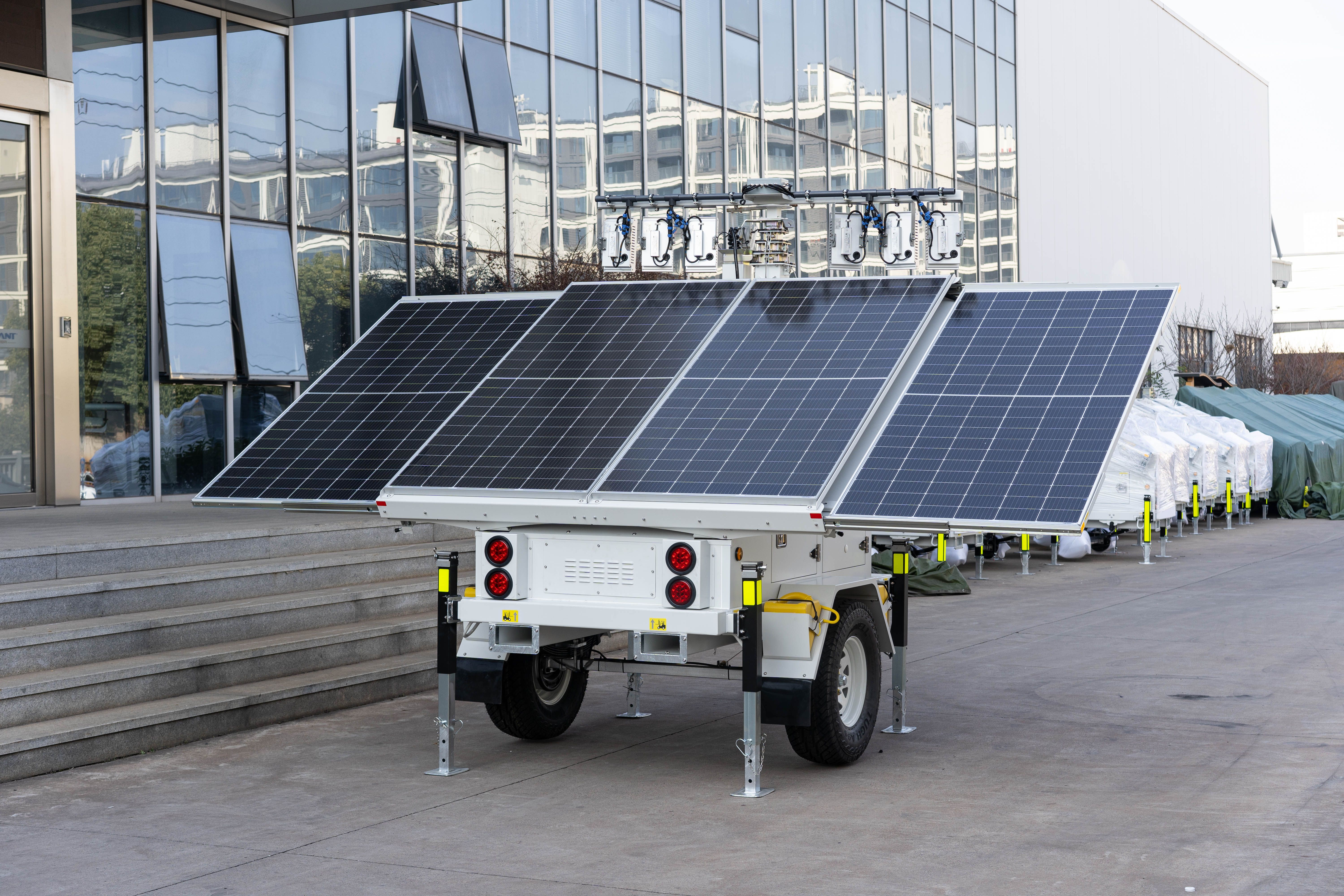
Atomic Summary: While the federal government does not offer direct cash subsidies for residential solar, they have strategically removed import duties and GST on Tier-1 panels. Additionally, provincial schemes like the Punjab Chief Minister's Roshan Gharana program distribute subsidized systems to low-income households. For the middle class, SBP-backed bank financing and NEPRA's net metering policies remain the primary government-supported financial benefits.
With basic electricity tariffs from WAPDA and K-Electric breaking historic records and capacity charges pushing monthly bills into the six-figure territory, going solar is no longer a luxury in Pakistan—it is an absolute survival mechanism. However, installing a 5kW or 10kW hybrid system requires a massive upfront capital investment, often ranging from Rs. 800,000 to Rs. 1.5 million.
Naturally, many citizens burdened by unprecedented inflation are looking toward the government for relief, asking a crucial question: Does the Pakistani government actually subsidize residential solar installations in 2026?
The answer is nuanced. While you cannot simply apply for a cash check to cover half your solar installation bill, there are multiple provincial programs, federal tax exemptions, and specialized banking frameworks designed to ease the financial burden. Let us break down exactly what is available across the country.
1. Federal Relief: The Indirect Subsidy Model
At the federal level, Pakistan does not hand out direct cash rebates for solar buyers in the way that some Western countries or even neighboring nations do. However, the government heavily subsidizes the industry through aggressive tax exemptions at the import level.
Zero Import Duties on Solar Equipment
The most significant and impactful action the federal government has taken is eliminating customs duties, general sales tax (GST), and withholding taxes on the import of solar panels and critical components like Tier-1 hybrid inverters. Pakistan does not manufacture its own solar cells; nearly 100% of our Tier-1 panels (Jinko, Longi, Canadian Solar) are imported from China.
If standard automotive or electronics import taxes were applied, a Tier-1 solar panel currently costing Rs. 35 to Rs. 40 per watt in the local market could easily cost upwards of Rs. 65 to Rs. 80 per watt. By keeping these taxes at zero, the government is effectively providing a massive indirect subsidy to every single citizen who purchases a solar panel.
2. SBP Financing: The Banking Subsidy
For the middle and upper-middle classes, upfront capital is the biggest hurdle. Recognizing this, the State Bank of Pakistan (SBP) launched the Renewable Energy Financing Scheme.
Historically, this scheme allowed citizens to acquire solar loans at an incredibly low subsidized markup of around 6% (compared to standard commercial lending rates that often exceed 20%). While quotas for the SBP-backed 6% rate frequently cap out due to overwhelming nationwide demand, the structural framework remains highly active.
Today, major commercial banks offer robust solar financing portfolios based on SBP guidelines. Institutions like Meezan Bank, Bank Alfalah, and JS Bank provide specialized products. Meezan Bank, for instance, offers Islamic solar financing (Ijarah) that allows homeowners to pay off their solar systems over 3 to 5 years, often letting the savings on their WAPDA bill completely cover the monthly bank installment.
3. Provincial Subsidies: Targeted Relief for Low-Income Households
While the federal government focuses on macro-level tax policies, provincial governments have started stepping in directly to help lifeline consumers who are most severely impacted by rising per-unit costs but cannot possibly afford commercial bank financing.
The Chief Minister's Roshan Gharana Program (Punjab)
Spearheaded by the Punjab Government, the Roshan Gharana scheme is the most aggressive direct solar subsidy program in Pakistan's history. It is designed specifically to pull the lowest economic tier out of the grid-dependency trap.
- Target Audience: Lifeline consumers and low-income households utilizing between 50 to 200 units of electricity per month.
- The Hardware System: Beneficiaries receive a specialized 1kW to 2kW solar setup. This typically includes two to three Tier-1 solar panels, a small localized inverter, and a tubular or small lithium battery capable of running 2-3 ceiling fans and several LED bulbs during nighttime and load-shedding hours.
- The Financial Model: The provincial government covers up to 100% of the cost for the absolute poorest households (via balloting). For slightly higher consumption brackets, the government offers the systems on extremely subsidized, interest-free installments spread over several years.
The Sindh Solar Energy Project (SSEP)
In the southern province of Sindh, the government, backed by massive funding from the World Bank, has executed the Sindh Solar Energy Project. Rather than targeting urban centers like Karachi, this project primarily focuses on distributing Solar Home Systems (SHS) to deeply off-grid rural areas in interior Sindh, providing basic electricity to households that have never been connected to the national grid.
| Scheme / Policy | Target Audience | Type of Relief provided |
|---|---|---|
| Federal Tax Exemptions | All Citizens | 0% Customs Duty and 0% GST on solar panel imports |
| Punjab Roshan Gharana | Below 200 Units/Month | Free or heavily subsidized 1kW-2kW complete systems |
| SBP / Meezan Financing | Middle to Upper Class | Easy installment plans (3-5 years) for 5kW+ systems |
| Sindh SSEP | Rural Off-Grid Sindh | Subsidized Solar Home Systems for basic lighting |
4. The Ultimate "Subsidy" for the Middle Class: Net Metering
If you consume between 500 and 1500 units a month, you likely do not qualify for any of the provincial low-income schemes. For you, the greatest financial benefit provided and protected by the government is the Net Metering Policy.
Regulated by the National Electric Power Regulatory Authority (NEPRA), net metering allows you to export excess solar energy generated during peak sunlight hours back to the WAPDA or K-Electric grid. The utility company effectively uses your exported units as a credit against your nighttime grid consumption.
🚨 ALERT: While there are constant rumors on social media of net metering being banned or forcibly shifted to less favorable "gross metering" paradigms, NEPRA has repeatedly clarified that current net metering regulations remain active and highly lucrative. A well-designed 10kW system on net metering can completely wipe out a Rs. 100,000 summer electricity bill. Read our dedicated guide on calculating your net metering returns for exact ROI figures.
Should You Delay Your Purchase to Wait for Better Subsidies?
Many homeowners deliberately delay their solar purchase, hoping the federal government will announce a massive, blanket cash rebate program in the next budget. Financially speaking, this is a terrible mistake.
Every single month you wait for a hypothetical subsidy that may never arrive, you are paying tens of thousands of rupees to your utility company—money that is gone forever. Furthermore, global solar panel prices are currently at historic lows due to massive Chinese manufacturing gluts. If the Pakistani Rupee (PKR) depreciates further against the US Dollar (USD), the local cost of solar equipment will skyrocket overnight, instantly wiping out the value of any minor government subsidy that might theoretically be introduced.
Action Plan: How to Proceed Today
- Assess Your Electricity Bill: Look at your historical 12-month average. If you consistently consume less than 200 units, check local provincial government portals (like PITB) to see if you qualify and can register for the Punjab CM scheme balloting.
- Check Bank Financing: If you need a 5kW to 10kW system but cannot afford an upfront cash purchase of 1 million PKR, explore Islamic financing options. Check out our comprehensive guide on how to finance your solar system through local banks.
- Go Hybrid for Load-Shedding: If you live in an area suffering from severe, unpredictable load-shedding, do not rely purely on grid policies like net metering. Focus on building a robust hybrid system with a Tier-1 lithium battery bank to ensure complete energy independence.
Frequently Asked Questions
Does the federal government of Pakistan offer a cash subsidy for residential solar panels?
No, the federal government does not offer direct cash subsidies or rebates to middle-class consumers for residential solar panels. However, they provide a massive indirect subsidy by waiving import duties, withholding taxes, and general sales tax (GST) on solar equipment, which keeps hardware prices extremely low in the local market compared to global averages.
What is the Punjab Chief Minister Roshan Gharana Solar Scheme?
The Punjab 'Roshan Gharana' scheme aims to provide small, self-contained solar systems (1kW to 2kW) to low-income households that consume less than 100 to 200 units a month. Beneficiaries are selected via balloting and receive the systems either completely free or at highly subsidized, interest-free installment rates to combat the high cost of living.
Is State Bank (SBP) 6% solar financing still available in 2026?
The original SBP Renewable Energy Financing scheme offered loans at heavily subsidized markup rates (around 6%), but quotas for this specific low-rate scheme have frequently maxed out due to extreme demand. Nevertheless, the framework remains, and commercial banks like Meezan Bank and Bank Alfalah continue to offer their own dedicated Islamic solar financing products at very competitive market rates.