Solar Thermoelectric Generators (STEG) & Hybrid PV-TEG Guide 2026
By PSI Editorial · 18 min read · Updated September 2026
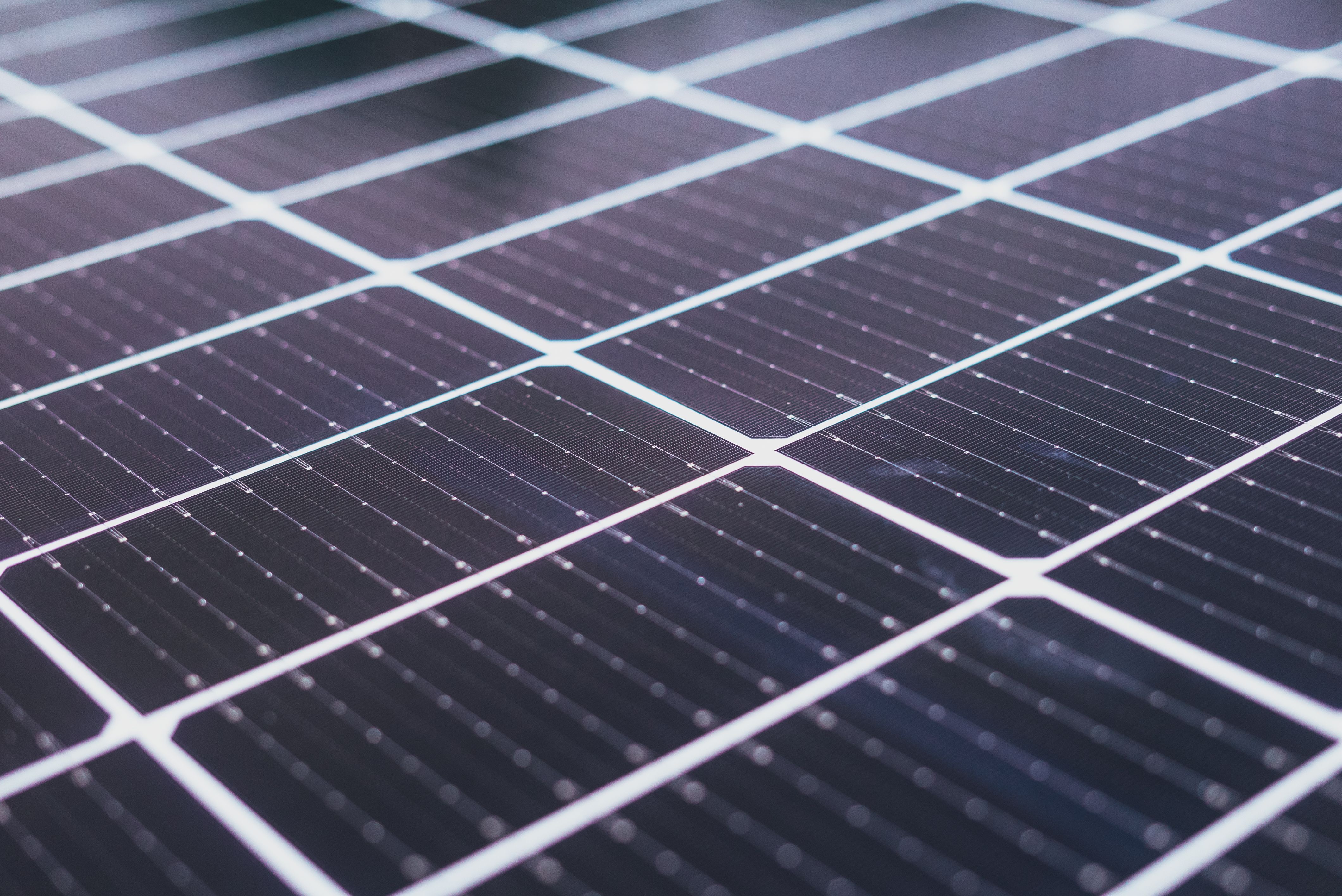
⚡ PV-TEG Thermoelectric Fast Facts (2026)
- Seebeck Power Conversion: Converts solar thermal heat waste into additional DC electricity.
- Total Efficiency Boost: Delivers +3% to +5% net power gain on standard solar modules.
- Dual Cooling Synergism: Extracts heat from PV cells to lower silicon operating temperatures.
- Solid-State Reliability: Zero moving parts, zero fluids, with 25+ year solid-state lifespan.
Atomic Summary: Over 75% of sunlight striking standard silicon solar panels is converted into parasitic waste heat rather than electricity. Solar Thermoelectric Generators (STEG) and Hybrid PV-TEG systems utilize the solid-state Seebeck Effect to capture this rejected thermal energy, transforming temperature gradients directly into additional electrical wattage while keeping the photovoltaic cells cooler. Master thermoelectric thermodynamics, figure of merit ZT optimization, and dual-MPPT electrical design.
Complete 2026 Thermoelectric Semiconductor Material Shootout
| Thermoelectric Material | Optimal Temp Range (°C) | Figure of Merit (ZT) | Seebeck Coefficient (S) | Primary Solar Application |
|---|---|---|---|---|
| Bismuth Telluride (Bi_2 Te_3 / Sb_2 Te_3) | 25°C to 180°C | 1.2 to 1.5 | +220 μV/K | Direct Rooftop PV Module Backsheet |
| Filled Skutterudites (CoSb_3) | 200°C to 450°C | 1.6 to 1.9 | -180 μV/K | Medium Concentrating Solar (C-STEG) |
| Silicon Germanium (Si_0.8Ge_0.2) | 500°C to 900°C | 1.0 to 1.3 | +150 μV/K | High-Temperature Solar Tower Cavity |
Frequently Asked Questions
Can PV and TEG outputs be wired in series to the same inverter?
No. Silicon PV cells produce high current and moderate voltage, whereas TEG thermopiles produce lower current and variable temperature-dependent voltage. Wiring them in series causes severe current bottle-necking. Modern hybrid modules use integrated micro-optimizers to combine both sources.
What is the added cost of attaching TEG thermopiles to a solar panel?
Mass-manufactured bismuth telluride TEG strips add approximately **0.04 to 0.06 per Watt** to module manufacturing costs, which is offset by the +4% higher energy yield and extended solar cell lifespan resulting from lower operating temperatures.
Related: Perovskite Tandem Guide · Concentrated Solar CSP · Solar Calculator