Solar Tube Well Subsidy in Pakistan: Farmer Schemes (2026)
By PSI Editorial • June 8, 2026
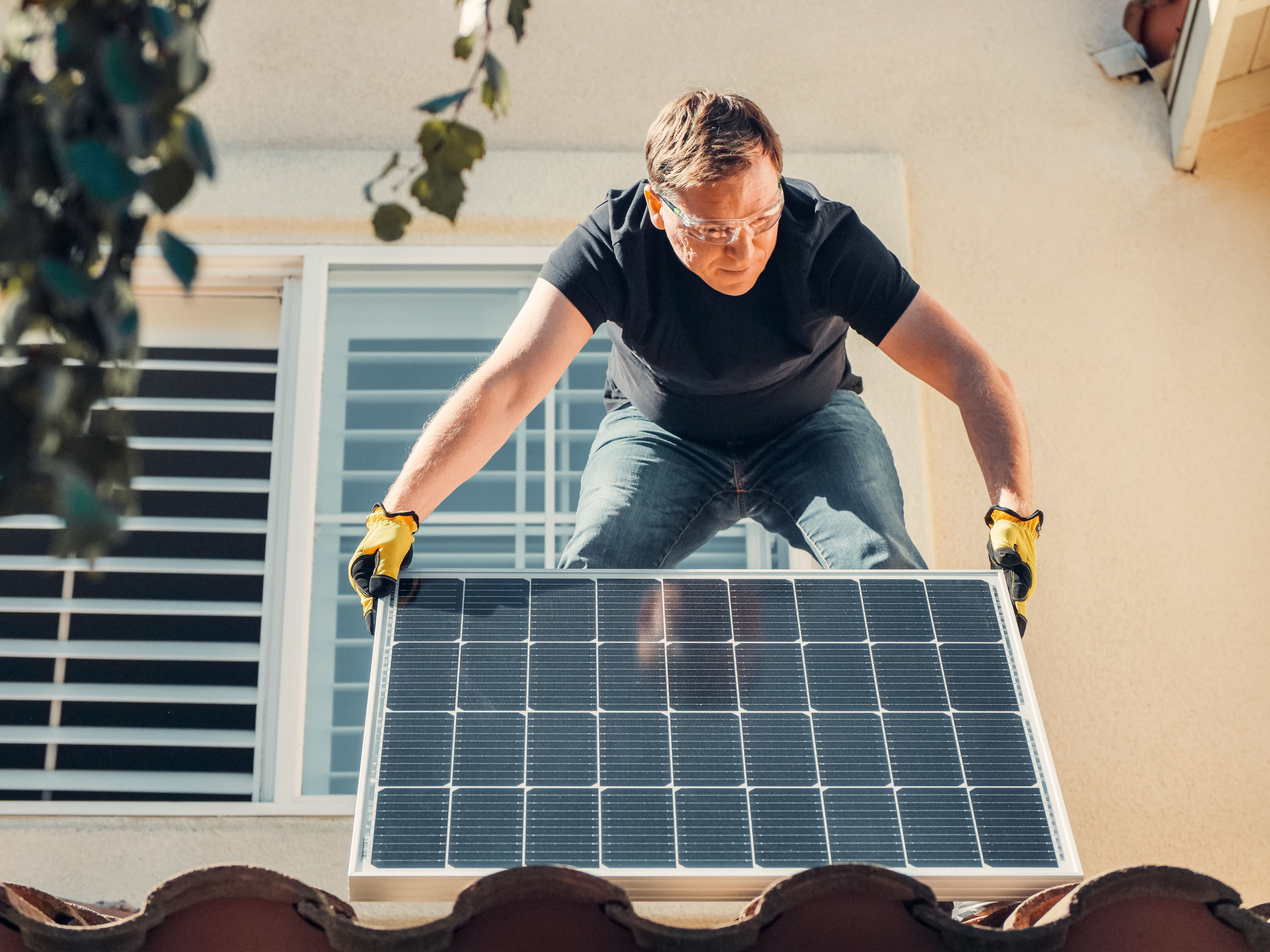
Atomic Summary: The Government of Pakistan, through provincial initiatives like the Punjab Chief Minister's Solarization Program and the Balochistan Agricultural Tube Well Scheme, is offering 67% to 80% subsidies to help farmers transition existing diesel or electric pumps to direct-solar VFD systems. In 2026, these schemes significantly reduce farming input costs, completely eliminating monthly fuel bills for systems ranging from 5 HP to 20 HP. Applications are processed through local agriculture departments, and systems must be installed by pre-qualified vendors to ensure warranty compliance.
Agriculture is the backbone of the Pakistani economy, but rising energy costs are threatening the livelihoods of farmers across Punjab, Sindh, Khyber Pakhtunkhwa, and Balochistan. The price of diesel fuel has surged to unprecedented levels, making the operation of diesel-powered tube wells financially unsustainable for small and medium landholders. At the same time, grid electricity tariffs set by power distribution companies like LESCO, FESCO, and MEPCO have climbed, loaded with fuel price adjustments that make electric pumps equally expensive. A typical farmer running a 15 HP tube well for daily irrigation can face monthly utility or fuel bills exceeding PKR 100,000, which completely erodes seasonal profit margins. Solar power offers a permanent escape from this cycle. By harnessing abundant daylight, solar tube wells provide a clean, free source of energy for crop irrigation, turning a recurring expense into a one-time capital investment.
Major Provincial Solar Tube-Well Subsidy Schemes in 2026
To combat this agricultural energy crisis, federal and provincial governments have introduced targeted solar tube well subsidy schemes. In 2026, the primary active programs include:
- Punjab Chief Minister Solarization of Agricultural Tube Wells: Focused heavily on major farming hubs in Southern Punjab (including Multan, Bahawalpur, and Rahim Yar Khan) as well as Central Punjab (Faisalabad and Sargodha). The scheme covers up to 80% of the cost for systems up to 20 kW.
- Balochistan Agricultural Tube Well Scheme: In Balochistan, where groundwater tables are exceptionally deep (often exceeding 300 to 500 feet), the provincial government, in partnership with federal development packages, has initiated massive solarization drives. These programs replace high-demand electric grid connections, reducing the load on the national grid.
- Sindh Solar Irrigation Programs: Tailored specifically for small-scale farmers in the Indus basin, covering districts like Larkana, Sukkur, Shaheed Benazirabad, and Mirpurkhas, offering partial grants for direct-solar pumping.
Sizing and PKR Cost Analysis: Subsidized vs. Non-Subsidized Systems
The cost of a solar tube well system depends on the horsepower of the pump and the depth of the water table. Pumping water from a shallow water table (under 50 feet) in central Punjab requires less solar capacity than pumping from a deep water table (over 200 feet) in Balochistan. To guide farmers, here is a cost breakdown comparing average market prices with subsidized rates for typical system configurations. The figures assume the standard government subsidy share of 70%:
| Pump Size (Horsepower) | Required Solar (kW) | Typical Water Table Depth (Feet) | Total Market Cost (PKR) | Farmer Share (30% PKR) | Government Subsidy (70% PKR) |
|---|---|---|---|---|---|
| 5 HP | 5.5 kW to 6.5 kW | 30 to 60 Feet | PKR 650,000 | PKR 195,000 | PKR 455,000 |
| 10 HP | 11.0 kW to 13.0 kW | 60 to 100 Feet | PKR 1,150,000 | PKR 345,000 | PKR 805,000 |
| 15 HP | 16.5 kW to 18.0 kW | 100 to 150 Feet | PKR 1,600,000 | PKR 480,000 | PKR 1,120,000 |
| 20 HP | 22.0 kW to 26.0 kW | 150 to 220 Feet | PKR 2,100,000 | PKR 630,000 | PKR 1,470,000 |
These estimated costs are subject to market volatility and regional installation logistics. In terms of local scale, a 10 HP subsidized system requires a farmer contribution of only about 3.45 Lakh PKR, whereas the market price is over 11.5 Lakh PKR, making it an incredibly lucrative opportunity for agricultural businesses.
Technical Configuration: Variable Frequency Drives (VFD)
Unlike residential solar systems that require battery storage banks, agricultural solar pumps operate without batteries. They rely on a Variable Frequency Drive (VFD), which acts as the brain of the system. The VFD takes the direct current (DC) electricity generated by the solar panel array and converts it into alternating current (AC) at variable frequencies. By varying the frequency, the VFD controls the speed of the three-phase pump motor. When sunlight is weak in the early morning, the VFD runs the motor at a lower speed, starting the water flow. During peak sunlight hours, the VFD runs the pump at full capacity. This battery-free design eliminates the highest maintenance cost of solar systems. Because industrial batteries must be replaced every three to five years, eliminating them makes solar irrigation highly profitable. Farmers can read our complete technical guide on how solar VFDs power water pumps to understand the wiring and configuration of these systems. Furthermore, for a broader comparison of setups, explore our guide on off-grid solar systems in Pakistan and general solar financing in Pakistan to evaluate commercial options.
Eligibility Requirements for Subsidized Programs
To ensure that government funds reach genuine farmers, provincial agriculture departments have established strict eligibility criteria. The key requirements include:
- Land Ownership Limits: Applicants must own a minimum of 1 acre and a maximum of 50 acres of cultivated land. The ownership must be verified via land revenue records (Fard-e-Malakiat).
- Existing Operational Pump: The program is designed for the solarization of active farming operations. The applicant must already possess a functional diesel engine or a grid-connected electric tubewell. Schemes do not cover the cost of drilling a new bore.
- Groundwater Availability: The local Water Management department must certify that the groundwater level is sustainable and does not exceed the maximum depth limit of the pump.
- Non-Defaulter Status: The applicant must provide proof of clear financial standing, showing they are not a defaulter of any commercial bank agricultural loans or utility companies.
Step-by-Step Application and Balloting Process
Applying for a solar tube well subsidy in Pakistan requires navigating a structured administrative process. Here is the breakdown:
- Step 1: Gather Documentation: Prepare copies of your CNIC, verified land ownership documents (Fard) issued by the Land Records Authority, and a certificate verifying the presence of an operational tube well.
- Step 2: Submit Application: Forms can be obtained from the office of the Deputy Director of Agriculture (Water Management) in your district, or submitted online through the provincial portal.
- Step 3: Physical Verification: Teams from the provincial agriculture department will visit your farm to verify land boundaries and check the operational status of the existing pump.
- Step 4: Digital Balloting: Due to high demand, subsidies are awarded through a transparent digital lottery (balloting) system conducted at the district level.
- Step 5: Deposit Farmer Share: If selected, the farmer receives an official demand draft and must deposit their equity share (e.g., 30% of the cost) in a designated government account.
- Step 6: Installation and Commissioning: The installation is carried out by government-approved Tier-1 solar vendors. This ensures that the panels and VFDs are certified, warrantied, and properly configured.
Key Caveats, Risks, and Recommendations
While solar tube wells offer massive financial relief, there are several environmental and operational risks that farmers must keep in mind:
- Depletion of Groundwater: Because solar energy is free, there is a risk of over-pumping, which can deplete local aquifers. Farmers should adopt water-efficient techniques such as drip irrigation to conserve water.
- Weather Volatility: Heavy monsoon clouds, dust storms, and winter smog (particularly in Central and Southern Punjab) can reduce solar output for days, temporarily lowering water flow.
- Theft and Vandalism: Agricultural solar arrays are often located in remote fields. Secure mounting frames, fencing, and insurance are highly recommended.
To maximize the return on your solar investment, observe the following five recommendations:
- Always clean the solar panels weekly to remove agricultural dust and pollen, which can reduce efficiency by up to 20% in dry regions like Multan and Bahawalpur.
- Ensure the VFD is installed in a shaded, well-ventilated cabinet to prevent overheating during summer days when ambient temperatures exceed 45 degrees Celsius.
- Keep the solar array structure securely grounded to protect the equipment from lightning strikes and static electrical discharge.
- Verify the groundwater recharge rate in your area to prevent running the pump dry, which can damage the submersible motor.
- Confirm the current budget, terms, and subsidy shares with your local agriculture department office, as scheme guidelines and allocations change dynamically based on government budgets.
Frequently Asked Questions
Which government departments offer solar tube well subsidies in Pakistan?
Subsidies are primarily managed by provincial agriculture departments, such as the Punjab Agriculture Department (Water Management Wing), the Balochistan Agriculture and Cooperative Department, and the Sindh Agriculture Department. You must apply directly through their designated regional offices or official online portals.
What is the typical subsidy percentage for agricultural solar pumps?
Provincial schemes generally offer a subsidy of 67% to 80% of the total system cost. The remaining 20% to 33% is paid by the farmer as their equity share. This contribution must be deposited into a designated bank account before installation can begin.
Can I get a subsidy for a brand-new tube well installation?
No, these subsidies are strictly for the solarization of existing, operational water pumps. Eligible applicants must already have a functional diesel engine or a grid-connected electric motor on their land. The programs do not fund the drilling of new bores.
What is a Variable Frequency Drive (VFD), and do solar pumps need batteries?
A Variable Frequency Drive (VFD) is an electronic controller that varies the frequency and voltage supplied to the pump motor based on available sunlight. Because VFD systems run the pump directly off solar panels during daylight hours, agricultural solar tube wells do not require expensive batteries.
What land ownership documents are required to apply for a solar tube well subsidy?
Farmers must provide verified land ownership records (known locally as Fard-e-Malakiat), a valid CNIC, and a certified copy of their land tax records. The land must be free of legal disputes, and the applicant must own between 1 and 50 acres of agricultural land, depending on the specific provincial scheme guidelines.