Spot a Fake
Solar Panel
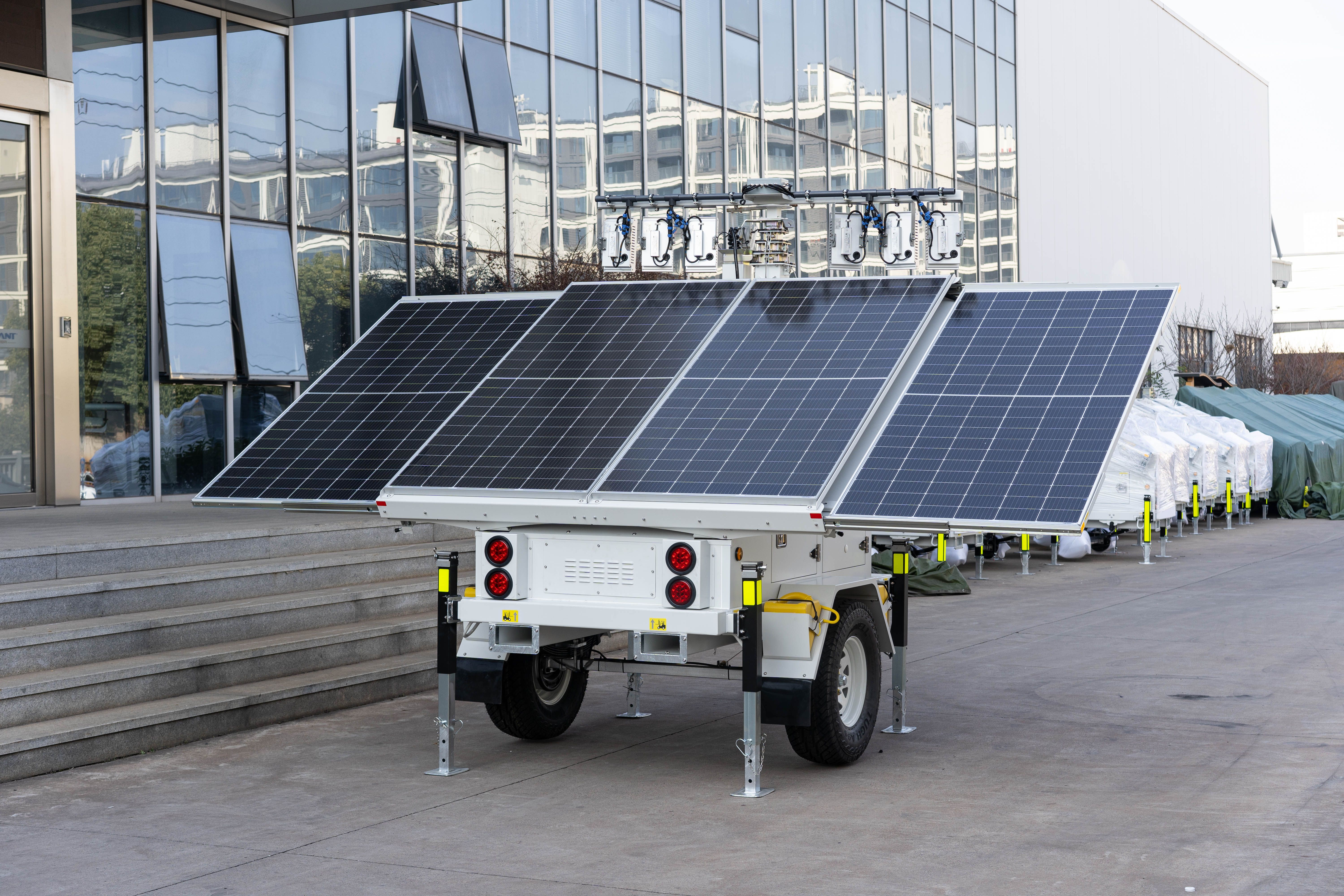
How to spot a fake Longi or Canadian Solar panel in Pakistan
By PSI Editorial · 12 min read · Updated Jun 8, 2026
TL;DR
- 🔎 Verify the panel's serial/barcode on the maker's official site before paying. Duplicated or invalid barcodes mean immediate rejection.
- 🏷️ Check the label, cell alignment, busbars, glass, and frame for the tell-tale signs of used or B-grade stock.
- 📦 Pakistan's grey market is flooded with used and B-grade panels sold as new — always buy from authorised dealers.
- 📄 Demand the warranty card, datasheet, and flash test report in writing. Do not trust verbal guarantees.
Atomic Summary: Pakistan's grey market is flooded with fake, used, and B-grade solar panels disguised as A-grade Tier-1 stock. Protect yourself by strictly verifying the embedded barcode on official portals, scrutinizing physical build quality (cells, busbars, and glass), and demanding original flash test reports before spending your hard-earned PKR.
A Tier-1 solar panel from major giants like Longi, Canadian Solar, Jinko, or JA Solar is intricately engineered to generate efficient power for 25 to 30 years. However, a fake, used, or B-grade panel sold as new will silently cost you for decades through dramatically lower output, massive degradation rates, and an absolutely worthless warranty. Pakistan's booming renewable energy market suffers from a serious grey-market problem: shipping containers full of second-hand, salvaged, and factory-reject panels regularly arrive at Karachi ports and get passed off as fresh A-grade stock in the bustling local markets of Lahore, Islamabad, and Karachi.Given the immense initial capital required—often supplemented by Meezan Bank solar financing—buying fake panels will brutally destroy your anticipated WAPDA savings. The good news? A few minutes of rigorous physical inspection and digital verification can easily save you from a massive six-figure mistake. Here is exactly how to check the authenticity of your solar panels before you hand over any payment.
1. The Digital Check: Verify the serial number online
The single most powerful and foolproof check is using the manufacturer's own authenticity portal. Every single genuine Tier-1 panel has a highly specific serial number and barcode permanently laminated under the front glass, printed on the back label, and often laser-engraved inside the junction box.
Enter this serial on the official site—a fake, relabelled, or duplicated serial simply will not validate. It's the ultimate litmus test.
| Brand | Verification Method |
|---|---|
| LONGi Solar | Visit the official "Module Authenticity" page on longi.com and enter the barcode. LONGi also runs a "One Module One Code" QR system that you can scan with your smartphone. |
| Canadian Solar (CSI) | Canadian Solar module authenticity portal — enter the serial number and the CAPTCHA verification code shown to confirm genuine manufacturing. |
| Jinko / JA Solar | These brands currently do not have a simple public self-check for all models. To verify, contact the official authorised distributor in Pakistan and have them validate the serial batch against their import records. |
2. Inspect the Spec Label and Backsheet
A genuine solar panel's nameplate (the sticker on the back) is cleanly printed, well-adhered, and internally consistent. Counterfeits, local knock-offs, and relabelled B-grade panels almost always slip up here. Factory rejects often have original labels stripped off and poorly reprinted ones slapped on by local smugglers.
Step 1: Check the core details
Model, serial, and manufacture date must all be present and perfectly match the datasheet and warranty card provided by the seller.Step 2: Scrutinize the printing quality
Blurry text, poor typography, spelling mistakes (like "Canaadian Solar" or "Jinkco"), or a sticker that is visibly peeling at the corners are massive red flags. Tier-1 manufacturers use highly durable, weather-resistant labels designed to withstand 30 years of extreme heat.Step 3: Verify the wattage consistency
The wattage and electrical specs must make technical sense. If you see an absurd "650W Longi" label on a panel whose physical dimensions match a 450W older generation model, you are looking at a relabelled fake meant to trick unsuspecting buyers.3. Physical Inspection of the Panel
Real Tier-1 panels are built on fully automated, robotic assembly lines in mega-factories. Therefore, their workmanship is precise and mathematically perfect. Used, salvaged, or B-grade panels immediately show their age and manufacturing flaws upon close visual inspection.
Step 1: Inspect Cells and Busbars
Genuine solar cells are perfectly straight, evenly spaced, and uniform in colour (usually a deep, anti-reflective blue or black). Crooked, uneven, chipped, or poorly spaced cells strongly suggest rushed manual assembly or factory-rejected (B-grade) batches. The busbars (the thin metal strips running across the cells to carry current) should be flawlessly straight and unbroken.Step 2: Examine the Glass and Surface
Inspect the anti-reflective tempered glass under good lighting. Scratches, water marks, discolouration, "snail trails" (dark vein-like lines), or visible micro-cracks indicate that the panel is either used, improperly handled, or salvaged from a decommissioned overseas solar farm. A new panel must be physically pristine.Step 3: Check the Frame and Junction Box
The anodised aluminum frame should be rigid, scratch-free, and sealed perfectly with uniform industrial silicone against the glass. Flimsy frames or dull, uneven anodising are serious warning signs. Flip the panel over and check the junction box — it should be solidly glued, completely sealed (often IP68 rated), and the output cables should be thick, high-quality DC solar cables with genuine MC4 connectors.Step 4: Inspect the Polymer Backsheet
The backsheet is the critical insulating polymer layer on the back of the panel. Bubbling, peeling, cracking, or yellowing means the panel is suffering from severe UV degradation, which happens after years of use outdoors. A new A-grade panel has a pristine, perfectly flat backsheet.4. Demand the Official Paperwork
Genuine Tier-1 panels arrive with a rigid paper trail. If a seller in the local market gives you excuses instead of documents, walk away immediately. In the event of a warranty claim due to extreme WAPDA surges or weather damage, paperwork is your only defence.
- ✅ Warranty card: Tier-1 panels carry a standard ~12-year product warranty and a ~25-to-30-year linear performance warranty. Fakes omit this or provide a poorly photocopied fake document.
- ✅ Datasheet: Ensure the datasheet precisely matches the model number and wattage on the panel's label.
- ✅ Flash Test Report: Also known as a factory test report, this is paramount. It shows the exact measured electrical output (Voc, Isc, Vmp, Imp) of your specific panel under standard test conditions (STC) before it left the factory. Every panel's serial number is uniquely tracked on a flash report.
- ✅ Commercial Invoice: Your receipt should clearly identify the brand, exact model, serial numbers, quantity, and PKR value paid.
- ✅ Certifications: Genuine panels meet strict IEC and TÜV/UL safety and performance standards. Look for these logos on the label.
5. The Pakistan Grey-Market Trap: B-Grade and Salvaged Panels
The most common scam in Pakistan is not a crudely manufactured "fake" panel built in a shed. The real financial threat is a used, salvaged, or B-grade panel sold as brand new A-grade.
These are technically "real" panels manufactured by Longi or Jinko, but they failed factory quality control (B-grade) due to micro-cracks or low efficiency. Alternatively, they were used in a foreign commercial solar farm for 5 years, uninstalled during an upgrade, repackaged, imported by the container, and pushed through informal channels in markets like Hall Road (Lahore) or Jackson Market (Karachi).
How to aggressively protect yourself:
- Buy exclusively from an authorised distributor. Solar brands publish their endorsed regional dealers on their global websites. Verify that your seller is on that list or buys directly from an importer on that list.
- Be suspicious of "too good to be true" prices. If every reputable dealer is selling A-grade Longi panels at Rs 40/watt and one vendor offers it at Rs 28/watt, he is undeniably selling you B-grade or used stock. Check our live solar panel prices to know the actual market rate.
- Get a third-party EL test. For large residential or commercial orders exceeding 10kW, hire an independent technician to perform an Electroluminescence (EL) test. This is basically an X-ray for solar panels that reveals hidden micro-cracks completely invisible to the naked eye.
Buying authentic, A-grade panels is the foundation of a reliable solar system. Combine this knowledge with our solar calculator to ensure you are buying the right capacity to defeat load-shedding, and choose wisely between on-grid vs hybrid vs off-grid to lock in your 25 years of savings.
Frequently asked questions
How do I check if a Longi solar panel is original?
Find the barcode on the front or back of the module and enter it on LONGi's official 'Module Authenticity' page. Alternatively, scan the panel's 'One Module One Code' QR. A genuine panel validates; a fake or duplicated serial will fail.
Can you verify a Canadian Solar panel online?
Yes. Canadian Solar has an online module authenticity portal where you enter the panel's serial number and a verification code to confirm it is genuine. For Jinko and JA Solar, verify the serial directly with the authorised distributor.
What are the signs of a used or B-grade solar panel?
Look for scratches, discolouration, 'snail trails', or micro-cracks on the glass. Uneven or crooked busbars, a flimsy aluminum frame, a peeling or yellowing backsheet, and a blurry or inconsistent spec label are all major red flags.
Know a fair price before you negotiate.
See Live Solar Prices →