How to Stop Pigeon Droppings from Ruining Your Solar Panels
By PSI Editorial • June 8, 2026
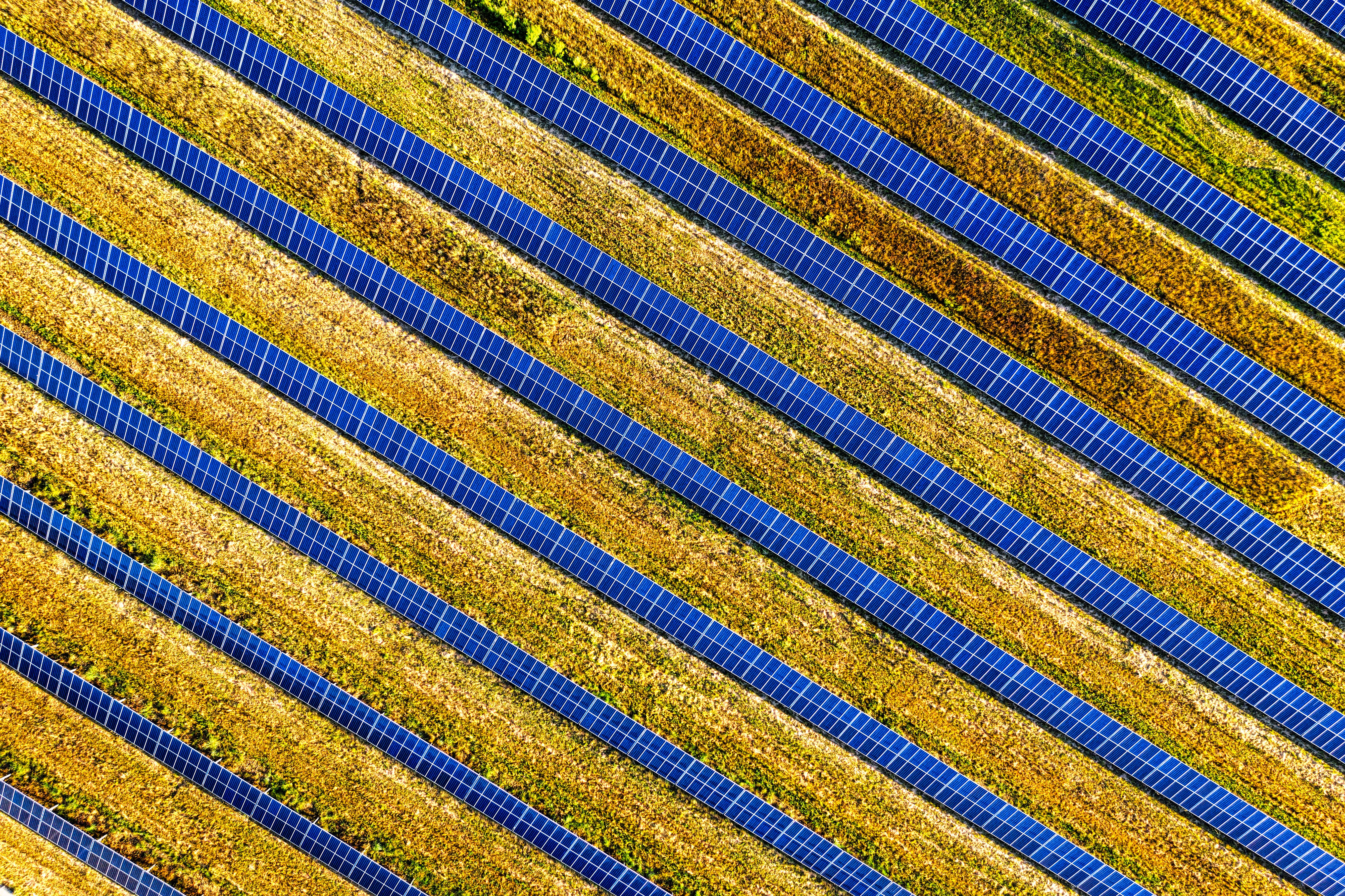
Atomic Summary: To protect your solar panels from highly acidic pigeon droppings and nesting in Pakistan, you must install PVC-coated galvanized wire mesh around the perimeter of your solar array. This physical barrier blocks birds from nesting underneath without restricting the necessary airflow required for cooling.
In densely populated cities like Lahore, Karachi, and Islamabad, the booming trend of rooftop solar installations has brought an unexpected consequence: a massive surge in pigeon infestations. The gap between your solar panels and your roof provides the perfect, warm, and predator-free environment for pigeons to roost and build nests. However, this cozy home for birds spells absolute disaster for your expensive Tier-1 solar investment.
The Hidden Danger: Why Pigeon Droppings Are So Destructive
Many homeowners assume that a little bird poop is just an aesthetic issue that will wash away with the next monsoon rain. This is a very costly misconception.
1. The Acidic Nature of Guano
Pigeon droppings, commonly known as guano, are highly acidic (pH level around 3 to 4.5). When baked onto your solar panels by the scorching Pakistani summer sun, this acid eats through the ultra-thin, anti-reflective glass coating that helps your panels absorb sunlight efficiently. Once this coating is compromised, the damage is permanent.
2. Micro-Cracking and The "Hotspot" Effect
A solar panel is composed of a series of connected silicon cells. When a large bird dropping covers a specific cell, it creates hard shading. The shaded cell stops generating power and instead begins to consume power from the surrounding cells, acting as a resistor. This causes the shaded cell to heat up drastically—often exceeding 100°C—creating a "hotspot." Over time, these hotspots cause micro-cracks, physically burning out the cell, permanently reducing your overall 10kW or 5kW system output, and completely voiding your warranty from manufacturers like Longi or Jinko.
3. Fire Hazards and Corrosion
Pigeons don't just sit on top of the panels; they build massive nests underneath them using dry twigs, leaves, and trash. In the blistering summer heat, these dry materials sit directly against the hot backsheet of the panel and near the DC wiring and MC4 connectors. This is a severe fire hazard. Furthermore, the accumulation of droppings and nesting material traps moisture and causes the aluminum mounting structures (the L2 feet or standard rails) to corrode prematurely.
Health Hazard Alert: Pigeon guano carries severe respiratory pathogens, including Histoplasmosis and Cryptococcosis. If you attempt to clean dried droppings yourself without an N95 mask, you risk inhaling these dangerous fungal spores.How to Stop Pigeons: The Ultimate Solution
Forget plastic owls, shiny reflective tape, or ultrasonic noise emitters. Pigeons in urban Pakistan are incredibly stubborn and will quickly figure out these visual or audio deterrents. The only 100% effective, long-term solution is physical exclusion: **Solar Panel Bird Mesh (Skirting).**
Step 1: Hire a Professional Cleaning Crew
Before any mesh can be installed, the existing mess must be removed. This involves high-pressure washing (using reverse osmosis or deionized water) for the panel surface, and physical removal of nests and hardened guano from underneath the array. Professionals will use avian-safe biocide sprays to neutralize the acid and kill any parasites (like bird mites) left behind.
Step 2: Selecting the Right Materials
Do not use cheap chicken wire or plastic netting. The intense UV radiation in Pakistan will destroy plastic mesh within six months. You must use **PVC-coated galvanized steel mesh**. The galvanized steel prevents rust, and the black PVC coating makes the mesh blend seamlessly into the shadows of the panels, maintaining the aesthetic appeal of your home.
Step 3: Installation Using Non-Penetrating Clips
This is the most critical step. **Never let an installer drill holes into the aluminum frame of your solar panels to attach the mesh.** Drilling holes instantly voids your 12-year product warranty. Professional solar maintenance teams use specialized UV-resistant nylon or metal clips that hook onto the inner lip of the panel frame and lock the mesh tightly in place.
Cost vs. Benefit Analysis in Pakistan
You might be wondering if spending extra money on bird-proofing is worth it after already spending heavily on a hybrid solar setup (with lithium batteries and a VFD). Let's look at the numbers.
| Expense Type | Estimated Cost (PKR) | Consequence of Inaction | |---|---|---| | **Professional Bird Mesh Installation** | 15,000 - 40,000 | One-time cost, protects the 25-year investment. | | **Replacing a Single Burnt 550W Panel** | 20,000 - 25,000 | Re-wiring labor, plus system downtime. | | **Roof Leak Repair from Acid Corrosion** | 50,000+ | Water damage to underlying concrete/plaster. | | **Bi-Monthly Deep Cleaning Service** | 5,000 - 8,000 | Recurring cost if birds constantly return. |As the table illustrates, the one-time cost of installing a professional bird skirt is drastically cheaper than replacing even a single tier-1 panel damaged by a permanent hotspot, not to mention the immense safety benefits.
Alternative and Secondary Deterrents
While mesh is the primary defense, it can be combined with **Bird Spikes** along the very ridge of your roof or the top edge of your panels (if they sit flush). Spikes prevent pigeons from perching on the highest points, but they do nothing to stop them from walking under the panels. Therefore, spikes should only be used as a secondary measure *in addition* to the mesh, never as a replacement.
For more information on maintaining your system's efficiency after bird-proofing, check out our guide on how to clean your solar panels safely to ensure you don't scratch the glass during your routine maintenance.
Frequently Asked Questions
Can pigeon droppings permanently damage my solar panels?
Yes. Pigeon droppings (guano) are highly acidic. If left uncleaned, they can eat through the anti-reflective coating, create permanent 'hotspots' that burn out individual silicon cells, and void your manufacturer's warranty.
How much does it cost to bird-proof a solar system in Pakistan?
Depending on the size of your system (e.g., 5kW vs 10kW) and the quality of the PVC-coated mesh used, professional bird-proofing in Pakistan typically costs between PKR 15,000 to PKR 40,000.
Will installing bird mesh void my solar panel warranty?
Not if installed correctly. Professional installers use specialized non-penetrating clips to attach the mesh to the panel frames. Drilling holes into the panel frames, however, will instantly void the warranty.