Should I Turn Off My Solar Inverter at Night in Pakistan?
By PSI Editorial • June 8, 2026
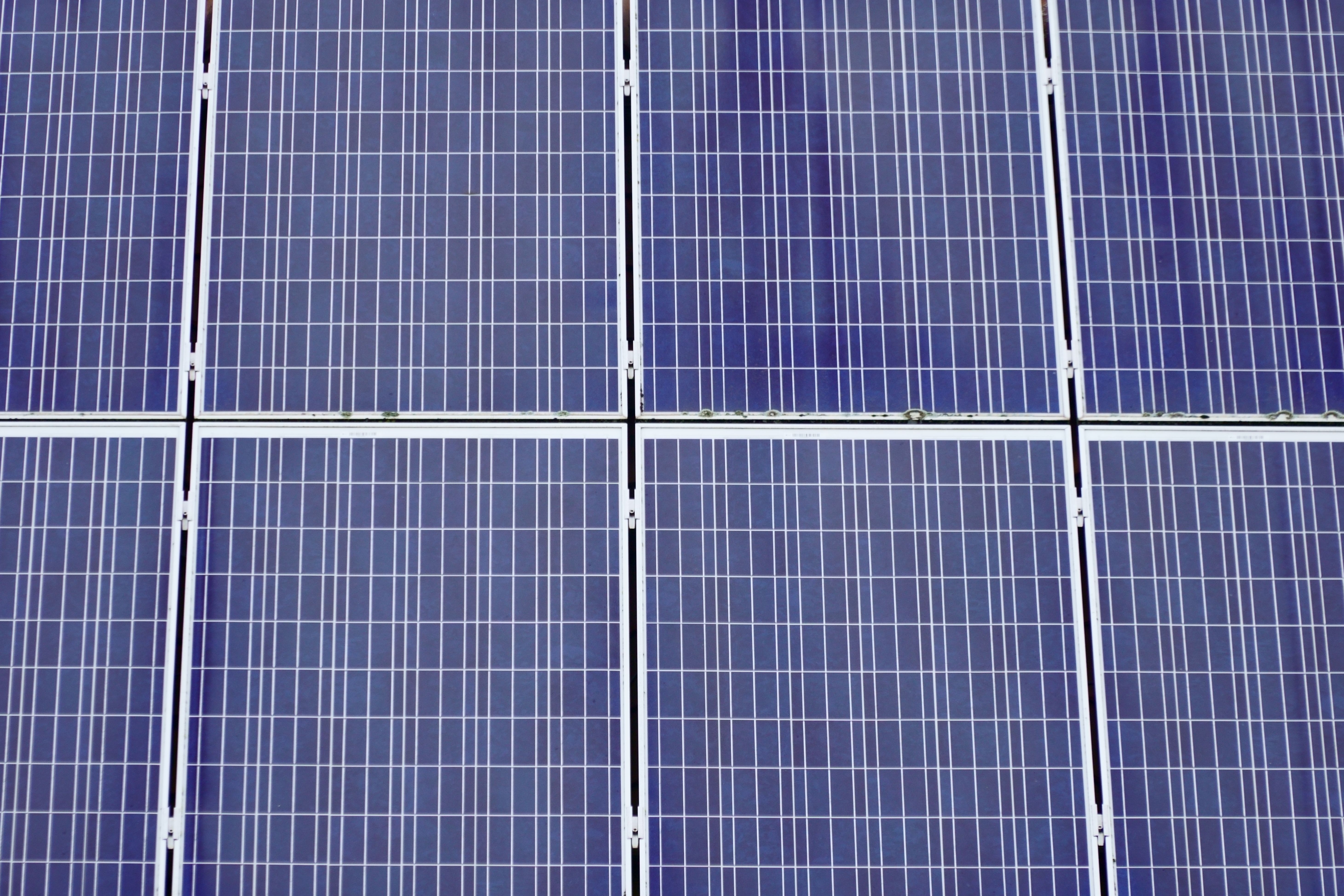
Atomic Summary: No, you should never manually turn off your solar inverter at night. While it consumes a tiny amount of idle power (10W-30W), keeping it on is vital. Turning it off disables battery management (BMS), disrupts Wi-Fi generation logs, causes mechanical wear on your breakers, and leaves you without backup during unannounced WAPDA load shedding.
A common myth floating around WhatsApp groups in Pakistan is that leaving your solar inverter on at night secretly drains your battery or dramatically increases your WAPDA / K-Electric bill. We have seen homeowners manually flipping their AC and DC breakers every single evening just to "save electricity."
If you are guilty of doing this, stop immediately. Turning off your solar inverter at night does far more harm than good. In this guide, we dive deeply into the technical reasons why modern solar inverters are designed to run 24/7, and what actually happens inside the box after the sun goes down.
1. The Truth About Nighttime Power Consumption
Do solar inverters consume power at night? Yes, but the amount is virtually negligible. It depends heavily on the type of inverter you have installed in your home.
| Inverter Type | Nighttime Consumption | What it powers at night | | :--- | :--- | :--- | | **On-Grid (No Battery)** | 1W to 5W | Wi-Fi logger, basic grid monitoring. Most completely shut off their screens. | | **Hybrid (With Battery)** | 10W to 35W | Battery Management System (BMS), AC bypass logic, Wi-Fi logger. | | **Off-Grid** | 15W to 50W | Idle load to keep the transformer ready for load shifting. |To put this into perspective, a hybrid inverter consuming 20W overnight (for 10 hours) uses just 0.2 units (kWh) of electricity. In Pakistan, that equates to roughly PKR 10 to PKR 15. The protective benefits the inverter provides at night far outweigh this tiny cost.
2. Why Your Inverter Must Stay On (The Technical Reasons)
Modern Tier-1 inverters from brands like Solis, Growatt, Huawei, and local giants like Inverex are complex computers. They require continuous power to execute several critical background tasks.
Reason A: Battery Management System (BMS) Health
If you have a hybrid system with Lithium-ion batteries (like Pylontech or Narada), the inverter is constantly communicating with the battery’s internal BMS. Nighttime is often when the BMS performs "cell balancing"—a critical process where it equalizes the charge across all internal lithium cells. If you shut the inverter off, you interrupt this process, leading to premature battery degradation and voided warranties.
Reason B: Wi-Fi Data Logging and Cloud Sync
Your inverter uses the nighttime hours to finalize daily generation logs and push them to cloud servers (e.g., ShinePhone, SolarMAN). If you cut the power every evening, your daily production statistics will become corrupted or incomplete, making it impossible to accurately track your ROI or dispute net metering discrepancies with your DISCO (WAPDA/K-Electric).
Reason C: Instant Load Shedding Protection
In Pakistan, unannounced load shedding is a harsh reality. A hybrid inverter is designed to detect a grid failure in less than 20 milliseconds and instantly switch your home to battery power. If you have turned the inverter off, you will wake up in the dark, sweltering in the summer heat, having to navigate to your garage with a flashlight just to flip the inverter back on.
Alert: Do not treat your heavy-duty DC and AC breakers like bedroom light switches! Breakers are safety isolation devices meant for maintenance. Flipping a 63-amp breaker twice a day will quickly wear out its internal mechanical springs, significantly increasing the risk of dangerous electrical arcing or fire.3. Step-by-Step: How to Optimize Nighttime Settings Instead of Turning It Off
If you are concerned about your inverter draining your battery unnecessarily at night, the solution is software, not a physical shutdown. You can adjust the settings via your inverter's LCD or mobile app.
Step 1: Disable "Grid Charge" (If Desired)
If you don't want your inverter pulling WAPDA units at night to top up your battery, navigate to your inverter settings and disable "AC Charge" or "Grid Charge." This forces the inverter to only charge the batteries using solar power during the day. However, only do this if load shedding in your area is predictable and your batteries easily survive the night.
Step 2: Set Battery Discharge Limits (Depth of Discharge)
To prevent the inverter from draining your battery completely dry at night, set a strict Depth of Discharge (DoD) limit. For lithium batteries, stopping at 20% is ideal. Once the battery hits this limit, the inverter will automatically switch to WAPDA bypass to power your house, keeping the remaining battery safe for emergencies.
Step 3: Enable "Time of Use" (TOU) or Peak Shaving
If you have a hybrid inverter, use the "Time of Use" settings. You can program the inverter to run exclusively on battery power during WAPDA's peak hours (usually 6 PM to 10 PM), and then switch to grid bypass during off-peak hours. This drastically reduces your electricity bill without requiring any manual shutdowns.
Conclusion
In summary, solar inverters are "set it and forget it" appliances. The microscopic amount of electricity they consume at night is a tiny price to pay for battery health, data logging, and seamless backup power during load shedding. Let the microprocessors do their job, and leave those breakers alone!
Frequently Asked Questions
How much electricity does a solar inverter use at night?
Most modern Tier-1 on-grid inverters consume less than 5 watts at night. Hybrid inverters with batteries may consume slightly more (10W to 30W) to keep the Battery Management System (BMS) and Wi-Fi data logger active.
Will turning off my inverter damage the batteries?
It won't immediately destroy them, but frequent shutdowns prevent the inverter's BMS from performing critical cell-balancing routines at night, which can degrade lithium-ion battery lifespans over time.
What happens if I turn off the main AC breaker every night?
AC and DC breakers are designed for isolation during maintenance, not as daily light switches. Flipping them twice a day causes mechanical wear and tear, and drastically increases the risk of electrical arcing or fire.