Why Are Solar Panels Getting So Cheap in Pakistan?
By PSI Editorial • June 8, 2026
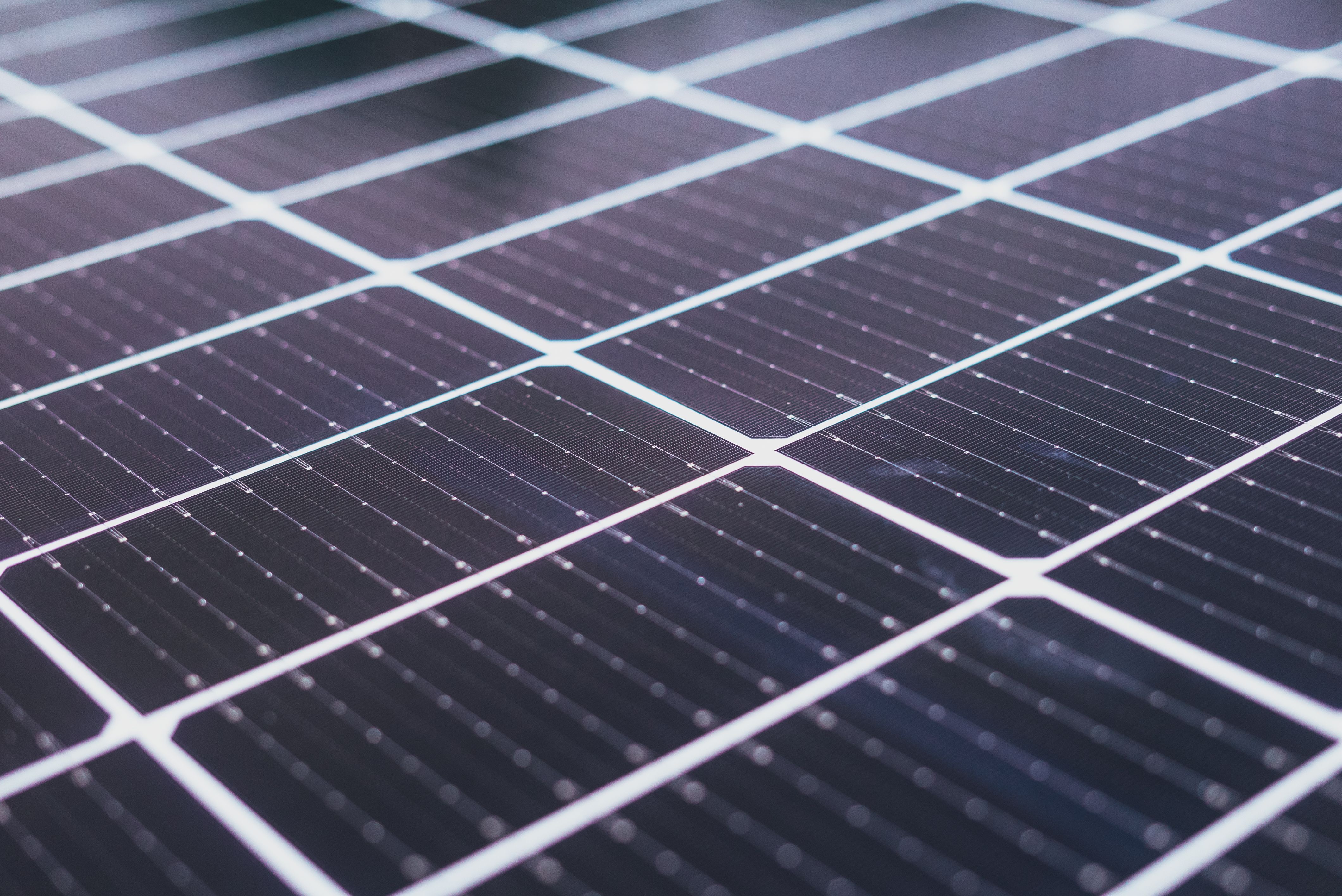
Atomic Summary: The unprecedented crash in solar panel prices in Pakistan—from PKR 140/watt in 2022 to just PKR 25-35/watt by 2025/2026—is driven by a massive global oversupply of silicon wafers from Chinese manufacturers (like Longi and Jinko), immense local import volumes flooding the market, and historically favorable, tax-free import policies.
If you have been monitoring the energy sector in Pakistan, you have undoubtedly noticed a dramatic shift. Just a few years ago, installing a solar energy system was considered a luxury strictly reserved for the elite or massive industrial complexes. Today, it has become an absolute necessity for middle-class households struggling under the crushing weight of skyrocketing WAPDA and K-Electric utility bills. What has made this transition possible? The historic, almost unbelievable collapse in solar panel prices.
The Great Price Crash: Then vs. Now
To truly understand the scale of this price reduction, we need to look at the numbers. The per-watt cost of Tier-1 solar panels in Pakistan has seen an aggressive downward trajectory.
| Year | Average Price per Watt (PKR) | Cost for a 550W Panel (PKR) | Market Condition | |---|---|---|---| | 2022 | 130 - 150 | ~77,000 | Extreme shortage, high dollar | | 2023 | 90 - 110 | ~55,000 | Gradual supply normalization | | 2024 | 40 - 50 | ~25,000 | Global oversupply crash begins | | 2025-2026 | 25 - 35 | ~16,500 | Saturated local inventory | [!WARNING] **Price Volatility Alert:** While panel prices have crashed, the cost of lithium-ion batteries and pure sine wave hybrid inverters (like Solis, Growatt, and Knox) have not experienced the same aggressive drops. Total system costs are lower, but not proportionally equal to panel price drops.Understanding the 3 Core Drivers of the Price Drop
1. The Chinese Manufacturing Boom and Global Oversupply
The primary catalyst for cheap solar panels in Pakistan lies thousands of miles away in China. China controls over 80% of the global solar supply chain, from raw polysilicon processing to the final assembly of advanced N-Type TOPCon and HJT (Heterojunction) cells.
In anticipation of massive global demand post-2022, manufacturers like Longi, Jinko, Trina, and Canadian Solar aggressively expanded their production capacities. However, global demand, specifically in Europe and the US, did not meet these hyper-inflated expectations due to changing policies and economic slowdowns. This resulted in a colossal surplus of millions of panels. To clear inventory, Chinese gigafactories slashed their export prices, flooding open markets like Pakistan with incredibly cheap, high-quality Tier-1 panels.
2. Unprecedented Import Volumes and Local Market Saturation
Pakistan inadvertently became a major dumping ground for this global surplus. Between 2024 and 2025, Pakistani importers brought in tens of gigawatts (GW) of solar panels. This volume far exceeded the immediate installation capacity of the local market.
With massive containers arriving at the Karachi port daily, local wholesale markets like Shah Alam in Lahore and Jackson Market in Karachi became saturated. Distributors, desperate to liquidate their stock and free up capital tied up in Letters of Credit (LCs), began undercutting each other. This fierce local competition drove retail prices down to razor-thin margins.
3. Favorable Government Tax Policies
Despite the country's broader economic struggles, the government historically maintained zero-rating or heavily reduced import duties on renewable energy equipment. By allowing solar panels to be imported without crippling tariffs, the full benefit of the global price crash was passed directly to the Pakistani consumer. The government recognized that promoting solar adoption was essential to reducing the nation's reliance on expensive imported furnace oil and LNG used for grid power generation.
The Local Context: Why Pakistanis Are Buying Now More Than Ever
The supply side explains why panels are cheap, but the demand side explains why containers are still clearing the ports.
1. The WAPDA and K-Electric Tariff Shock
Over the last three years, grid electricity base tariffs, along with Fuel Charges Adjustments (FCA) and massive taxation slabs, have pushed per-unit costs beyond 60-70 PKR during peak hours. For a typical household running two 1.5-ton DC inverter ACs, monthly summer bills easily cross 80,000 PKR. Against this backdrop, investing in solar is no longer about environmental consciousness; it is pure financial survival.
2. Financing and Green Loans
Banks have stepped in to bridge the capital gap. The Meezan Bank solar financing scheme and State Bank of Pakistan's renewable energy refinancing programs have allowed homeowners to install 10kW to 15kW systems with manageable monthly installments. The monthly loan repayment is often lower than the projected WAPDA bill, making the decision a mathematical no-brainer.
3. The Unreliability of the Grid (Load-Shedding)
Beyond costs, the crumbling transmission infrastructure leads to frequent load-shedding and massive voltage fluctuations. A proper solar setup with a modern MPPT-equipped hybrid inverter and lithium phosphate (LiFePO4) battery bank provides true energy independence, protecting expensive home appliances from erratic grid behavior.
Are Cheap Panels Low Quality? The N-Type Reality
A common misconception is that "cheap means fake." While B-grade and counterfeit panels exist, the current price drop applies to authentic, cutting-edge Tier-1 technology. We are not just getting cheap panels; we are getting better panels.
The market has aggressively shifted from older P-Type PERC modules to newer N-Type TOPCon panels. N-Type panels offer superior efficiency (often exceeding 22.5%), lower degradation rates over their 25-year lifespan, and significantly better performance in Pakistan's brutal summer heat (lower temperature coefficient). So, for 28 PKR a watt, you are buying technology that is vastly superior to what cost 140 PKR a watt just two years ago.
[!TIP] **Verification is Key:** Always verify the authenticity of your panels. Reputable installers will scan the panel barcodes against the manufacturer's official app (e.g., Jinko or Longi apps) to confirm they are A-grade and legitimately imported.The Future: Will Prices Bounce Back?
Predicting the Pakistani solar market requires looking at the PKR to USD exchange rate and government whims. By early 2026, we have seen some market normalization. The excessive "panic importing" has slowed, and local inventory levels are stabilizing. Consequently, we are seeing minor price corrections and fluctuations.
Furthermore, any rumors of the government imposing new taxes on solar imports or drastically slashing net metering feed-in tariffs (the rate WAPDA pays you for exported units) can instantly trigger local price volatility. If you are waiting for prices to drop to 10 PKR a watt, you are waiting in vain. The bottom has likely been reached.
In conclusion, if you have the roof space and the capital, the current market conditions represent a once-in-a-decade opportunity. Check out our guide on installing solar without net metering if you are worried about changing grid export policies.
Frequently Asked Questions
Will solar panel prices drop further in 2026?
Prices have mostly bottomed out. While minor fluctuations occur due to PKR/USD exchange rates and shipping costs, another massive crash like the one in 2024 is highly unlikely.
Are cheap solar panels fake or low quality?
Not necessarily. The price drop is driven by global silicon oversupply, making authentic Tier-1 brands like Longi, Jinko, and Canadian Solar highly affordable. However, you must always verify the barcode.
Is it better to buy panels now or wait?
It is strongly advised to buy now. With rising grid electricity tariffs from WAPDA and K-Electric, the return on investment (ROI) is incredibly fast, and any potential new import duties could increase prices.