Is a 10kW Solar System Enough to Run Two ACs?
By PSI Editorial • June 8, 2026
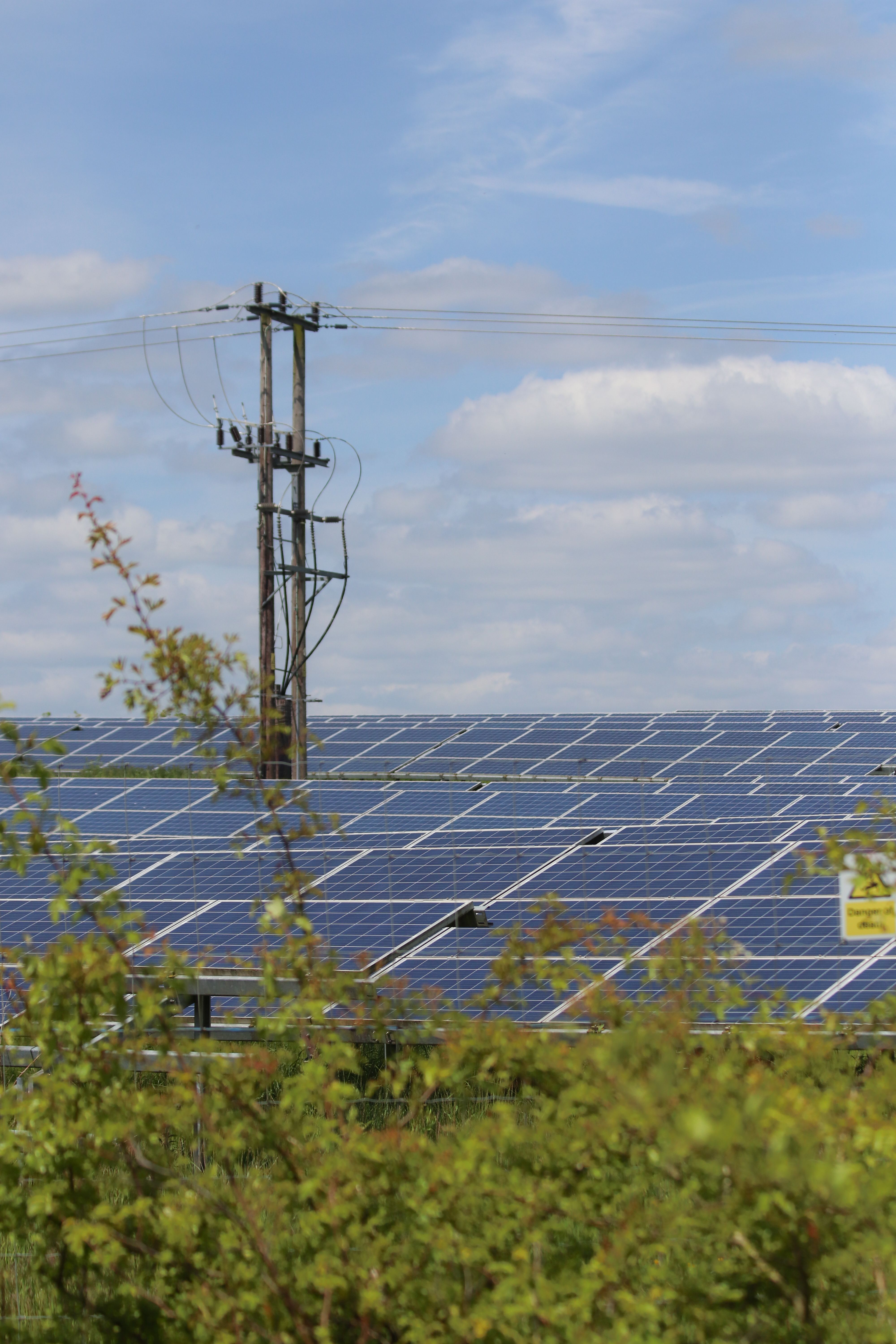
Atomic Summary: Yes, a 10kW hybrid inverter can easily run TWO 1.5-ton inverter ACs simultaneously. In fact, if the sun is shining brightly, a 10kW system can comfortably run THREE 1.5-ton ACs alongside your fridge, fans, and lights without tripping, as long as you respect the 80% maximum load rule.
When transitioning to renewable energy in Pakistan, deciding on the system size is the most critical step. A 10kW system has become the gold standard for large homes, especially for upper-middle-class families looking to eliminate monstrous WAPDA bills. But when the grueling July heat hits 45°C, homeowners inevitably ask: "How much brute cooling power does this system actually provide? Can it run multiple air conditioners without overloading the inverter?"
Let us break down the exact mathematics of household electrical loads, the startup surge of appliances, and why a 10kW system is an absolute powerhouse.
Understanding the 10kW Capacity
First, it is vital to understand what "10kW" actually means. The 'k' stands for kilo (thousand), meaning a 10kW solar inverter is designed to output 10,000 Watts of AC power. However, no electronic device should be pushed to its absolute breaking point continuously.
The 80% Rule of Thumb
Electrical engineers strictly recommend adhering to the 80% Rule. You should never continuously load your inverter past 80% of its rated capacity. For a 10kW inverter, your absolute maximum continuous household load should be kept around 8,000 Watts. This ensures the inverter's internal IGBTs and capacitors do not overheat, significantly prolonging the lifespan of the machine.
Calculating Your AC Load
To determine if you can run two or even three ACs, we need to examine how much power a modern DC Inverter AC consumes. Older "non-inverter" ACs consume a massive, fixed amount of power. Modern DC Inverter ACs (like those from Dawlance, Haier, or Kenwood) are highly efficient because they adjust their compressor speed dynamically.
1.5-Ton DC Inverter AC Power Consumption:
- Startup Phase: When first turned on in a hot room, the compressor works at 100% capacity to drop the temperature. During this phase, it draws approximately 1,500W to 1,800W.
- Maintenance Phase: Once the room reaches the target temperature (e.g., 26°C), the compressor slows down. It now only draws 500W to 800W to maintain the cold air.
💡 Tip: Always set your AC remote to 26°C instead of 16°C. At 26°C, the AC achieves the maintenance phase much faster, drastically reducing the load on your solar batteries.
The Scenario: Running Two ACs Simultaneously
If you turn on two 1.5-ton inverter ACs simultaneously during a hot afternoon:
- Peak Draw: 1,800W + 1,800W = 3,600W
Your 10kW system has a safe working limit of 8,000W. The 3,600W draw leaves you with a massive 4,400W of surplus power for the rest of your house. Once the rooms cool down, those two ACs will only consume around 1,400W total, freeing up even more capacity.
What Else Can You Run on a 10kW System?
Since two ACs will not even consume half of your safe capacity, here is a realistic breakdown of what a 10kW system can run simultaneously in a standard Pakistani household:
| Appliance | Quantity | Estimated Total Wattage |
|---|---|---|
| 1.5 Ton DC Inverter ACs | 3 | 4,500 W (Startup Peak) |
| Large Refrigerator / Deep Freezer | 2 | 600 W |
| Ceiling Fans | 6 | 480 W |
| LED Lights & TV | Various | 300 W |
| 1 HP Water Pump (Motor) | 1 | 750 W |
| Total Load | 6,630 W | |
As the table demonstrates, even with three ACs running at peak capacity, plus your fridge, lights, fans, and the WAPDA water motor, you are only hitting around 6,630W. This is well below the 8,000W safety threshold of a 10kW system.
The Iron, The Microwave, and The Water Heater
While continuous loads (like ACs and fans) are easy to manage, you must be careful with high-draw resistive loads. Appliances that generate heat using elements are energy vampires.
Step 1: Check High-Draw Appliances
An electric iron draws 1,000W to 1,500W. A microwave draws 1,200W. An electric water heater (geyser) can draw upwards of 2,000W to 3,000W.
Step 2: Stagger Appliance Usage
If you already have three ACs and the water motor running, turning on the electric iron and the microwave at the exact same moment might temporarily push the load past 9,000W. While a good inverter (like a Solis or Growatt) can handle brief surges, it's a best practice to stagger usage. Turn off one AC before running the iron, or wait for the water tank to fill before using the microwave.
If you want to run absolutely everything in a large mansion without ever thinking about load management, you may need to upgrade. Read our comparison of 5kW, 10kW, and 15kW systems to see if a 15kW system is a better match for your lifestyle.
Frequently Asked Questions (FAQ)
Can a 10kW solar system run three 1.5-ton ACs?
Yes, a 10kW system can easily run three 1.5-ton DC inverter ACs. Three inverter ACs will draw a combined maximum of around 4,500W at startup and settle down to around 2,400W when cooling. This leaves plenty of capacity in a 10,000W inverter for other household appliances.
Can I run a water pump along with my ACs on a 10kW system?
Yes, but you should avoid starting the water motor and multiple ACs at the exact same millisecond to prevent a surge overload. Once the ACs are running, turning on a standard 1HP water pump (which draws about 750W running) is perfectly safe on a 10kW system.
Why shouldn't I load my 10kW inverter to 10,000W?
Loading an inverter to 100% of its rated capacity stresses its internal components and increases heat generation, significantly reducing its lifespan. Following the 80% rule ensures your system stays at a maximum load of 8,000W, offering a safety buffer for sudden power spikes.