5kW vs 10kW Solar System: Pakistan 2026 Sizing Guide
By PSI Editorial • June 8, 2026
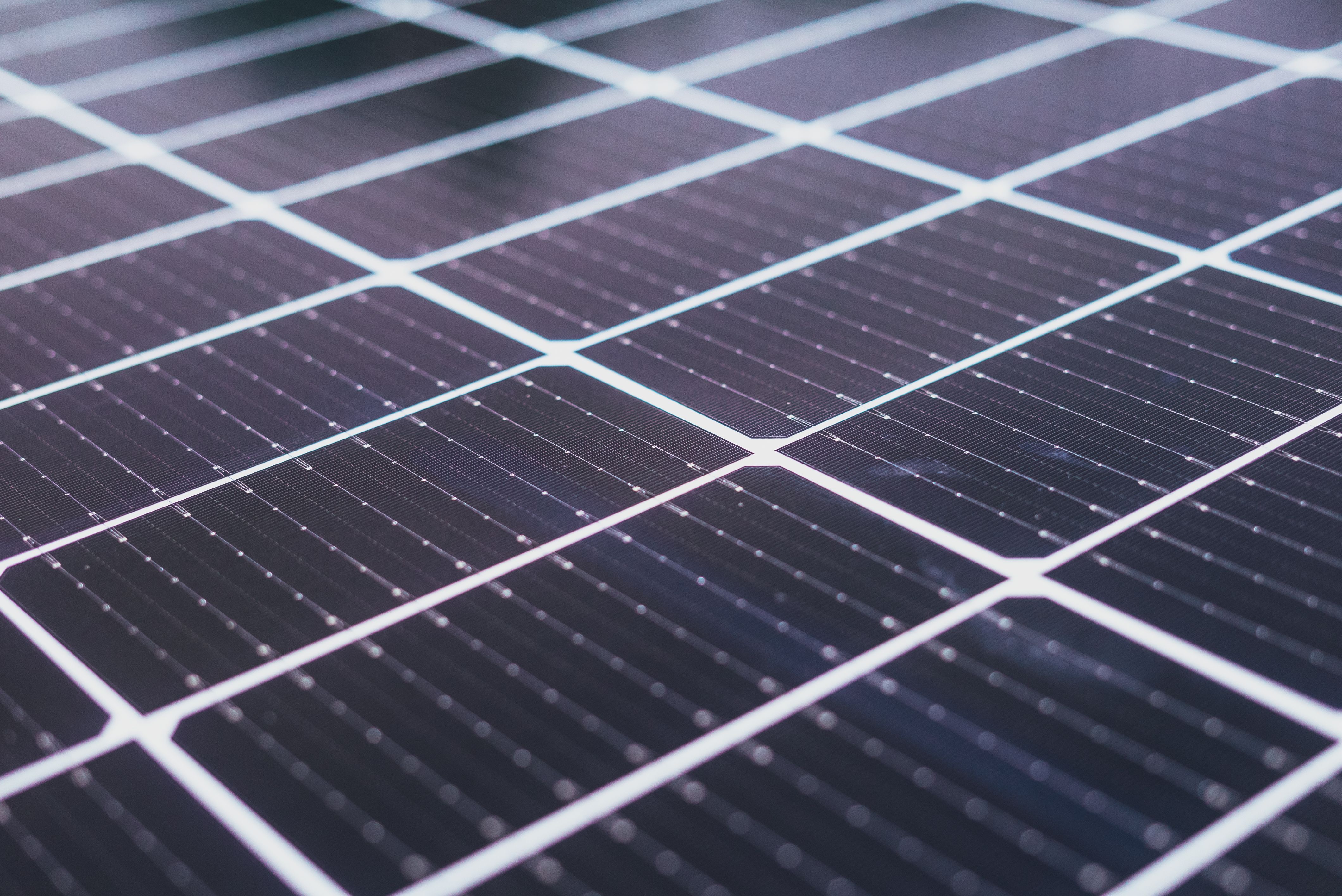
Atomic Summary: A 5kW solar system generates approximately 600 units monthly and runs up to 2 inverter ACs, making it suitable for small-to-medium homes with bills under 500 units. A 10kW system generates 1,200 to 1,300 units monthly and supports up to 4 inverter ACs, ideal for larger homes. Under NEPRA's February 2026 Net Billing transition, where buyback rates dropped to ~Rs 8.13/unit, sizing must focus on self-consumption and battery storage rather than oversizing for export credits.
With grid electricity tariffs climbing to unprecedented heights, Pakistani homeowners in Lahore, Karachi, Multan, and Islamabad are turning to solar energy to shield themselves from crushing WAPDA and K-Electric bills. Deciding between a 5kW and a 10kW solar system is the most common dilemma. This decision requires analyzing your daily energy load, roof space availability, and the latest regulatory framework changes in Pakistan. In the past, sizing was simple: you could install a massive system and sell excess units back to the grid to get a zero bill. However, under the new policies of 2026, the strategy has changed.
Sizing Strategy: Pick by Your Monthly Units
To choose the correct solar capacity, you must start by auditing your monthly electricity bills. Sizing is no longer about matching peak connected load; it is about matching your average consumption footprint to optimize self-consumption.
A 5kW solar system is designed for small-to-medium households. If your monthly consumption stays below 500 units during summer, a 5kW system is your ideal match. This system generates around 20 to 22 units daily, equating to approximately 600 units per month. For a typical family running basic appliances, a refrigerator, ceiling fans, and LED lights, this capacity covers the baseline usage while leaving enough power to run up to 2 inverter air conditioners during peak daylight hours.
On the other hand, if your monthly usage fluctuates between 700 and 1,200 units, a 10kW system is the standard choice. A 10kW setup produces 40 to 44 units daily, totaling about 1,200 to 1,300 units monthly. This capacity accommodates larger households operating multiple heavy appliances concurrently. It is recommended if you run 3 or 4 inverter ACs, have a deep freezer, or regularly operate a water pump. For a detailed breakdown of costs for the smaller size, read our guide on the 5kW solar system cost in Pakistan.
Side-by-Side System Comparison
This table compares the technical specifications, physical requirements, approximate June 2026 PKR pricing, and expected performance of both systems side-by-side:
| Feature / Specification | 5kW Solar System | 10kW Solar System |
|---|---|---|
| Daily Average Generation | 20 to 22 units (kWh) | 40 to 44 units (kWh) |
| Monthly Average Generation | 600 units (kWh) | 1,200 to 1,300 units (kWh) |
| Inverter Air Conditioners (1.5 Ton) | Runs up to 2 ACs (daytime) | Runs up to 4 ACs (daytime) |
| Number of Tier-1 Panels (580W to 600W) | 9 to 10 panels | 17 to 18 panels |
| Required Shadow-Free Roof Space | 25 to 30 square meters | 45 to 55 square meters |
| Inverter Output Phase Type | Single-Phase or Three-Phase | Three-Phase only |
| Approximate System Cost (June 2026) | PKR 550,000 to PKR 850,000 | PKR 950,000 to PKR 1,450,000 |
| Suitable Monthly Grid Consumption | 350 to 550 units | 800 to 1,200 units |
| Estimated Payback Period | 3.0 to 3.5 years | 2.5 to 3.0 years |
The 2026 Net-Billing Impact on Oversizing
A crucial factor in your decision is the recent regulatory change by the National Electric Power Regulatory Authority (NEPRA). In February 2026, NEPRA officially transitioned the country from standard 1:1 net metering to a new Net Billing system. Under the old rules, excess units exported to WAPDA or K-Electric were offset against imported units at a near-equal retail value of Rs 40 to Rs 50 per unit. Homeowners could oversize their systems to generate credit and achieve a zero bill.
Under the February 2026 Net Billing policy, exported electricity is credited at a national average pool price of only about Rs 8.13 per unit. Meanwhile, importing units from the grid costs between Rs 45 and Rs 65+ per unit. This massive tariff differential makes exporting excess solar power highly unprofitable. If you export 10 units during the day, you only earn Rs 81.30, which cannot even buy back 2 units from the grid at night. Therefore, oversizing a system with the sole intention of selling power to the grid is a bad financial move. Sizing must be carefully aligned with your actual daytime consumption to maximize self-consumption. You can estimate your net billing offsets using our interactive net metering savings calculator.
Roof-Space Constraints and Panel Layout
Physical space on your roof is another deciding factor. Modern Tier-1 solar panels from leading brands like Jinko (Tiger Neo), LONGi (Hi-MO X6), Canadian Solar, Trina, and JA Solar deliver high efficiency, but they still require a solid, shadow-free footprint. Most contemporary panels have wattages ranging from 580W to 620W, and each panel measures roughly 2.2 square meters.
A 5kW system utilizes 9 to 10 panels, requiring approximately 25 to 30 square meters of roof area. This is easily accommodated on standard residential roofs. A 10kW system uses 17 to 18 panels, demanding 45 to 55 square meters of space. This usually fits comfortably on 10-marla or 1-kanal roofs. However, you must account for roof obstructions. Water tanks, stairwell towers, chimneys, and neighboring buildings can cast shadows that significantly degrade performance. If you have limited space and are considering a step-by-step approach, you can learn about the challenges of upgrading capacity in our guide on upgrading from a 3kW to a 5kW system.
Battery Considerations: On-Grid vs. Hybrid Systems
Due to the low export rate under net billing and the persistent challenge of load-shedding across Pakistan, hybrid solar systems have become the gold standard in 2026. A traditional on-grid system does not have batteries and shuts down during power outages to protect utility workers. A hybrid system uses a battery bank to keep your home running when the grid goes down.
Furthermore, hybrid systems allow you to store excess daytime solar energy instead of exporting it to the grid for Rs 8.13 per unit. This stored energy is then used during peak grid hours when grid rates are highest. When choosing batteries, you must choose between traditional lead-acid tubular batteries (like AGS or Phoenix) and modern Lithium-ion batteries (like Narada or Dyness). Tubular batteries are cheaper upfront but require regular distilled water maintenance and last only 2 to 3 years. Lithium-ion batteries represent a higher initial cost but offer a lifespan of 8 to 10 years, require zero maintenance, and handle deep discharges much better. For a deeper look at the long-term economics of larger systems, read our analysis of the payback period of a 10kW solar system.
Pakistani Climate Challenges: Heat and Smog
Pakistan's climate poses unique challenges to solar generation. During the summer, ambient temperatures in Punjab and Sindh regularly exceed 45 degrees Celsius. Solar panels are rated at a standard testing temperature of 25 degrees Celsius, and their performance drops by a fraction of a percent for every degree above that. This temperature coefficient means that during scorching summer afternoons, a panel can lose 10% to 15% of its rated output. Modern N-Type TOPCon panels handle extreme heat better than older P-Type PERC panels, but heat degradation remains a reality.
In winter, major urban centers like Lahore and Faisalabad suffer from intense smog, while Karachi faces coastal humidity and dust accumulation. Dust blocks sunlight from reaching the silicon cells, causing generation to fall. Regular cleaning—at least once a week using soft water and a squeegee—is necessary to maintain efficiency. Always consult a certified solar engineer to ensure your system features proper earthing, surge protection, and robust structural mounting to withstand high-velocity monsoon winds.
Buying Advice and Final Recommendations
To finalize your decision, follow these structured steps:
- Perform a load audit: Check your electricity bills for the last 12 months. Find your maximum monthly unit usage. If it is below 600 units, a 5kW system is highly economical. If it regularly exceeds 800 units, go with a 10kW system.
- Assess your backup needs: If you face regular load-shedding, choose a hybrid system. If load-shedding is rare in your area, an on-grid system will deliver the fastest return on investment.
- Measure your roof: Ensure you have sufficient shadow-free space. A 5kW system needs around 30 square meters, while a 10kW system needs up to 55 square meters.
- Insist on Tier-1 brands: Use high-quality N-Type TOPCon panels from Jinko, LONGi, Canadian Solar, Trina, or JA Solar. Avoid unbranded or Tier-2 panels that lack local warranty centers.
- Consider financing: If the upfront cost is prohibitive, look into solar financing schemes from Meezan Bank or HBL to spread the capital cost over several years.
Frequently Asked Questions
How many units does a 5kW vs a 10kW solar system produce monthly in Pakistan?
A 5kW solar system generates approximately 20 to 22 units daily, which translates to about 600 units per month. A 10kW solar system generates approximately 40 to 44 units daily, totaling about 1,200 to 1,300 units per month. Actual generation varies depending on seasonal sunlight and dust accumulation in cities like Lahore or Karachi.
How many air conditioners can I run on a 5kW vs 10kW system?
A 5kW system can easily support up to 2 inverter air conditioners (1.5 ton each) during peak sunlight hours alongside normal household loads. A 10kW system can simultaneously run up to 4 inverter air conditioners or a combination of 3 inverter ACs and other heavy loads like a water pump or washing machine.
What is the impact of the February 2026 NEPRA Net Billing policy?
NEPRA's transition to Net Billing in February 2026 means exported solar units now receive a buyback rate of only about Rs 8.13 per unit, compared to old rates of Rs 40 to 50. This change makes exporting excess power less profitable. Homeowners should size their systems to maximize self-consumption during the day and consider hybrid battery storage rather than oversizing systems for net metering profit.
How much roof space is required for a 5kW and 10kW solar system?
Using modern Tier-1 N-type panels (approximately 580W to 600W each), a 5kW system requires about 9 to 10 panels and needs around 25 to 30 square meters of shadow-free roof space. A 10kW system requires about 17 to 18 panels and needs around 45 to 55 square meters of space.
What are the approximate payback periods for these systems in June 2026?
With current June 2026 electricity tariffs and panel costs, a 5kW hybrid or on-grid system has a payback period of about 3 to 3.5 years. A 10kW system has a slightly shorter payback of 2.5 to 3 years due to economies of scale on installation and equipment costs.