Payback Period for a 10kW Solar System in Pakistan: 2026 ROI Breakdown
By PSI Editorial • June 8, 2026
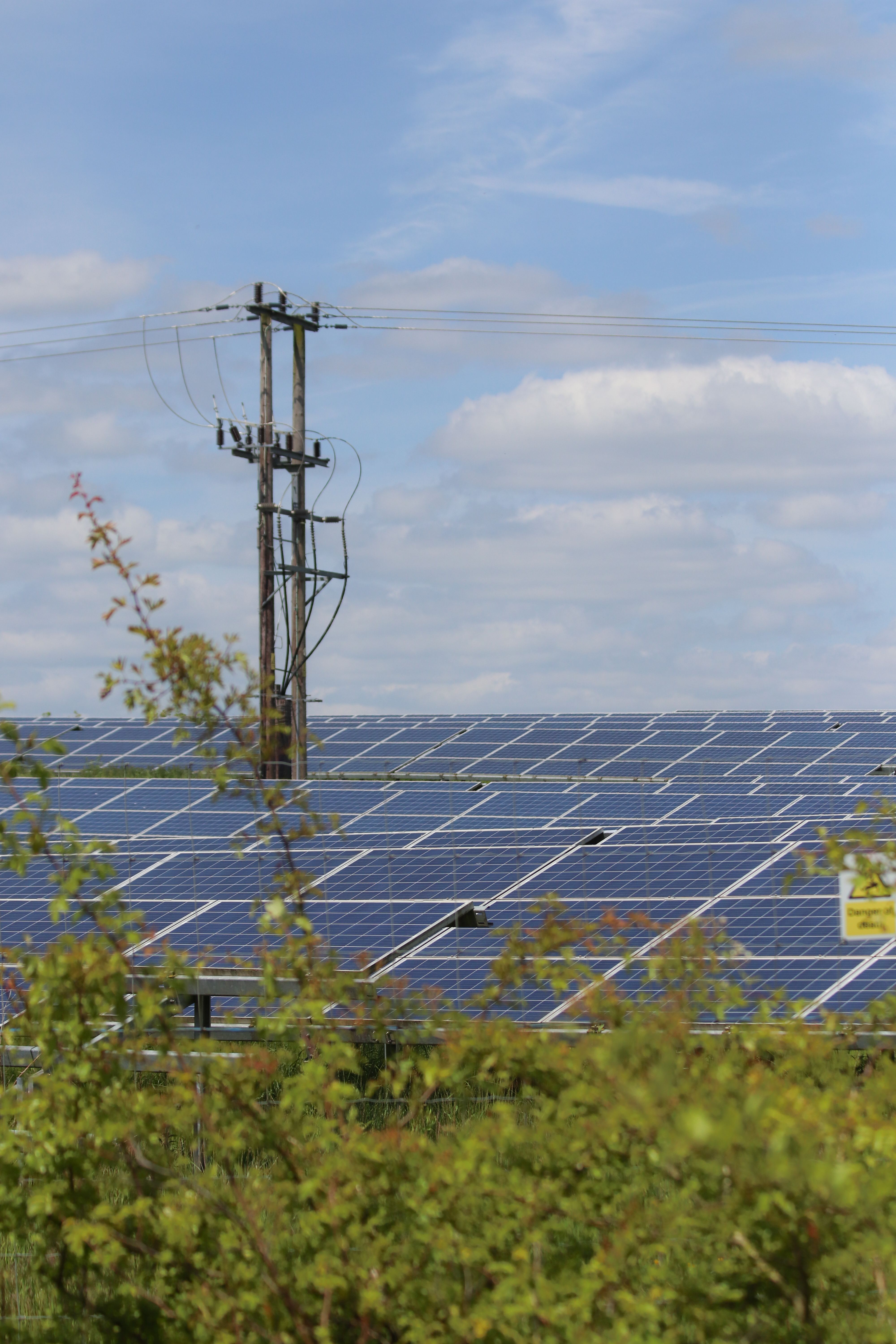
Atomic Summary: A 10kW on-grid solar system in Pakistan costs PKR 1.1 to 1.5 million and pays for itself in 2 to 4 years at current 2026 electricity tariffs. The system generates 35 to 50 units per day (1,050 to 1,500 per month), saving PKR 42,000 to 60,000 monthly. With panels lasting 25+ years, you enjoy 20+ years of essentially free electricity after the payback period.
A 10kW solar system is the most popular residential installation size in Pakistan, and for good reason: it is large enough to cover 2 to 3 air conditioners, a full household load, and still export surplus to the grid. But it is also a major financial commitment, often crossing PKR 1.5 million with batteries included. The first question every buyer asks is: how long until I get my money back?
In this guide, we calculate the exact payback period using real 2026 electricity tariffs, current system costs, and actual generation data from Pakistani installations.
What Does a 10kW System Cost in 2026?
The total installed cost depends primarily on whether you choose an on-grid (no battery), hybrid without battery, or hybrid with lithium battery setup.
| System Type | Components | Cost Range (PKR) |
|---|---|---|
| On-Grid (No Battery) | Panels + Grid-Tie Inverter + Mounting + Wiring | 1,100,000 to 1,500,000 |
| Hybrid (No Battery) | Panels + Hybrid Inverter + Mounting + Wiring | 1,500,000 to 1,900,000 |
| Hybrid (With Lithium Battery) | Panels + Hybrid Inverter + 10 to 15 kWh LiFePO4 + Mounting | 2,000,000 to 3,000,000 |
These prices include Tier-1 panels (Jinko, Longi, Canadian Solar), a quality inverter (Solis, Growatt, Huawei, or Sungrow), galvanized or aluminum mounting structure, DC/AC wiring, breakers, and installation labour. Prices vary by city and installer.
How Much Electricity Does a 10kW System Generate?
Pakistan benefits from excellent solar irradiance, especially in Punjab and Sindh (5.0 to 5.5 kWh/m²/day average). Here is what a properly installed 10kW system produces:
| Period | Daily Generation | Monthly Generation |
|---|---|---|
| Summer (April to September) | 42 to 50 units | 1,260 to 1,500 units |
| Winter (October to March) | 28 to 38 units | 840 to 1,140 units |
| Annual Average | 35 to 44 units | 1,050 to 1,320 units |
| Annual Total | 12,600 to 15,840 units |
Alert: These numbers assume proper panel orientation (south-facing at 25 to 30 degree tilt), no significant shading, and regular cleaning every 1 to 2 weeks. Dirty panels can lose 15 to 25% output in dusty Pakistani conditions. See our panel cleaning guide and optimal angle guide.
Monthly Savings Calculation
Your savings depend on how much solar energy you consume directly versus how much you export. Let us analyze both scenarios:
Scenario 1: Maximum Self-Consumption (Best ROI)
If you consume most of your solar production during the day by running ACs, water pumps, washing machines, and other heavy loads between 9 AM and 4 PM:
- Self-consumed units: 900 to 1,100 per month
- Saved per unit at average slab rate: Rs. 40 to 47 per unit (for households consuming 500+ units)
- Monthly savings from self-consumption: 1,000 x Rs. 43 = Rs. 43,000
- Exported units: 200 to 400 per month at Rs. 10/unit = Rs. 2,000 to 4,000 credit
- Total monthly savings: approximately Rs. 45,000 to 50,000
Scenario 2: High Export (Lower ROI)
If your home is empty during the day and most solar production gets exported:
- Self-consumed units: 300 to 500 per month
- Savings from self-consumption: 400 x Rs. 43 = Rs. 17,200
- Exported units: 700 to 1,000 per month at Rs. 10/unit = Rs. 7,000 to 10,000 credit
- Total monthly savings: approximately Rs. 24,200 to 27,200
The difference is dramatic. Self-consumption gives you nearly double the returns compared to exporting. This is the single most important factor in your payback calculation.
Payback Period Calculation
Now let us calculate the payback for each system type:
| System Type | Cost (PKR) | Monthly Savings | Annual Savings | Payback Period |
|---|---|---|---|---|
| On-Grid (High Self-Consumption) | 1,300,000 | Rs. 47,000 | Rs. 564,000 | 2.3 years |
| On-Grid (High Export) | 1,300,000 | Rs. 25,000 | Rs. 300,000 | 4.3 years |
| Hybrid with Battery (High Self-Consumption) | 2,500,000 | Rs. 55,000 | Rs. 660,000 | 3.8 years |
| Hybrid with Battery (Moderate) | 2,500,000 | Rs. 40,000 | Rs. 480,000 | 5.2 years |
25-Year Total Savings: The Real Story
The payback period is just the beginning. Since Tier-1 panels last 25 to 30 years with guaranteed performance above 87%, the real value is in the decades of free electricity after payback:
| Metric | On-Grid System | Hybrid with Battery |
|---|---|---|
| System Cost | PKR 1,300,000 | PKR 2,500,000 |
| Annual Savings (Yr 1) | PKR 564,000 | PKR 660,000 |
| 25-Year Total Savings (with 5% annual tariff increase) | PKR 26,900,000 | PKR 31,400,000 |
| Maintenance Cost (25 years) | PKR 300,000 | PKR 800,000 (battery replacement at year 12 to 15) |
| Net Lifetime Profit | PKR 25,300,000 | PKR 28,100,000 |
Alert: Pakistan's electricity tariffs have increased by an average of 15 to 25% annually over the past 5 years. Even at a conservative 5% annual increase, the value of your solar savings compounds significantly over time. Solar is not just a cost-saving measure; it is a hedge against electricity inflation.
Factors That Affect Your Payback Period
Factors That Shorten Payback
- Higher consumption slab: Households in the 500+ unit slab pay Rs. 40 to 47/unit, making each solar unit worth more
- Maximum daytime self-consumption: Running ACs and heavy loads during solar hours
- Proper maintenance: Regular panel cleaning and inverter filter maintenance prevent output losses
- Optimal installation: South-facing panels at the correct tilt angle with zero shading
- On-grid setup: No battery cost means lower initial investment
Factors That Extend Payback
- Low consumption slab: Households under 200 units pay only Rs. 22 to 28/unit, reducing savings per unit
- Heavy export: Exporting at Rs. 10/unit instead of self-consuming at Rs. 40+/unit
- Battery cost: Adding PKR 800,000 to 1,500,000 in lithium batteries extends payback by 1 to 3 years
- Shading or poor orientation: Trees, nearby buildings, or east/west facing panels reduce output
- Low-quality panels: Cheap panels degrade faster and produce less over time. Always choose N-Type Tier-1 panels
Should You Finance Your 10kW System?
Several Pakistani banks now offer solar financing:
- Meezan Bank: Islamic financing for solar systems. Use our Meezan solar financing calculator to estimate your monthly payments.
- HBL: Green energy financing with competitive markup rates.
- Bank Alfalah, Faysal Bank: Personal loans that can be used for solar installations.
When financing, your monthly loan payment is often less than your current electricity bill. This means you start saving from month one, even before full payback. Check our guide on solar financing options in Pakistan.
Alert: Always compare the total cost of financing (principal + markup) against the total savings over the loan period. For most households paying Rs. 30,000+/month in electricity, bank financing makes excellent financial sense even with markup costs.
Comparing 10kW to Other System Sizes
| System Size | Cost (On-Grid, PKR) | Monthly Generation | Payback (High Self-Consumption) |
|---|---|---|---|
| 3kW | 360,000 to 460,000 | 330 to 450 units | 3 to 5 years |
| 5kW | 650,000 to 900,000 | 550 to 750 units | 2.5 to 4 years |
| 10kW | 1,100,000 to 1,500,000 | 1,050 to 1,500 units | 2 to 3.5 years |
| 15kW | 1,600,000 to 2,200,000 | 1,575 to 2,250 units | 2 to 3 years |
Larger systems have slightly faster payback because certain fixed costs (mounting, wiring, labor) are spread across more panels. For a detailed side-by-side analysis, see our 5kW vs 10kW comparison guide.
Conclusion
A 10kW solar system in Pakistan is one of the best investments you can make in 2026. With an on-grid setup costing PKR 1.1 to 1.5 million and monthly savings of PKR 42,000 to 60,000, the payback period is just 2 to 4 years. After payback, you enjoy 20+ years of essentially free electricity, and with tariffs rising annually, the value of your investment only grows over time.
The key to maximizing ROI is simple: consume as much solar energy as possible during the day rather than exporting at the lower buyback rate. Shift your heavy loads to daytime hours, keep your panels clean, and ensure proper installation with quality Tier-1 components.
Whether you pay upfront or finance through a bank, a 10kW system is a decision that pays for itself many times over. Start by calculating your home load to confirm that 10kW is the right size for your household.
Frequently Asked Questions
What is the payback period for a 10kW solar system in Pakistan in 2026?
A 10kW on-grid solar system in Pakistan typically pays for itself in 2 to 4 years based on 2026 electricity tariffs and system costs. If you maximize self-consumption, the payback can be as short as 2.0 to 2.5 years. With a hybrid system including batteries, the payback extends to 3.5 to 5 years due to the higher upfront cost.
How much money does a 10kW solar system save monthly in Pakistan?
A 10kW system generates 1,050 to 1,500 units per month. If fully self-consumed at an average tariff of Rs. 40 per unit, monthly savings range from PKR 42,000 to 60,000. If excess units are exported under net billing, savings are slightly lower because exports are credited at only Rs. 10 per unit.
Does an on-grid or hybrid 10kW system have a faster payback?
On-grid systems have faster payback (2 to 3 years) because they avoid the high cost of batteries. Hybrid systems with lithium batteries cost PKR 500,000 to 1,000,000 more upfront, extending payback to 3.5 to 5 years, but they provide load shedding protection which has significant practical value in Pakistan.