Meezan Bank Solar Financing Calculator Guide: Pakistan 2026
By PSI Editorial • June 13, 2026
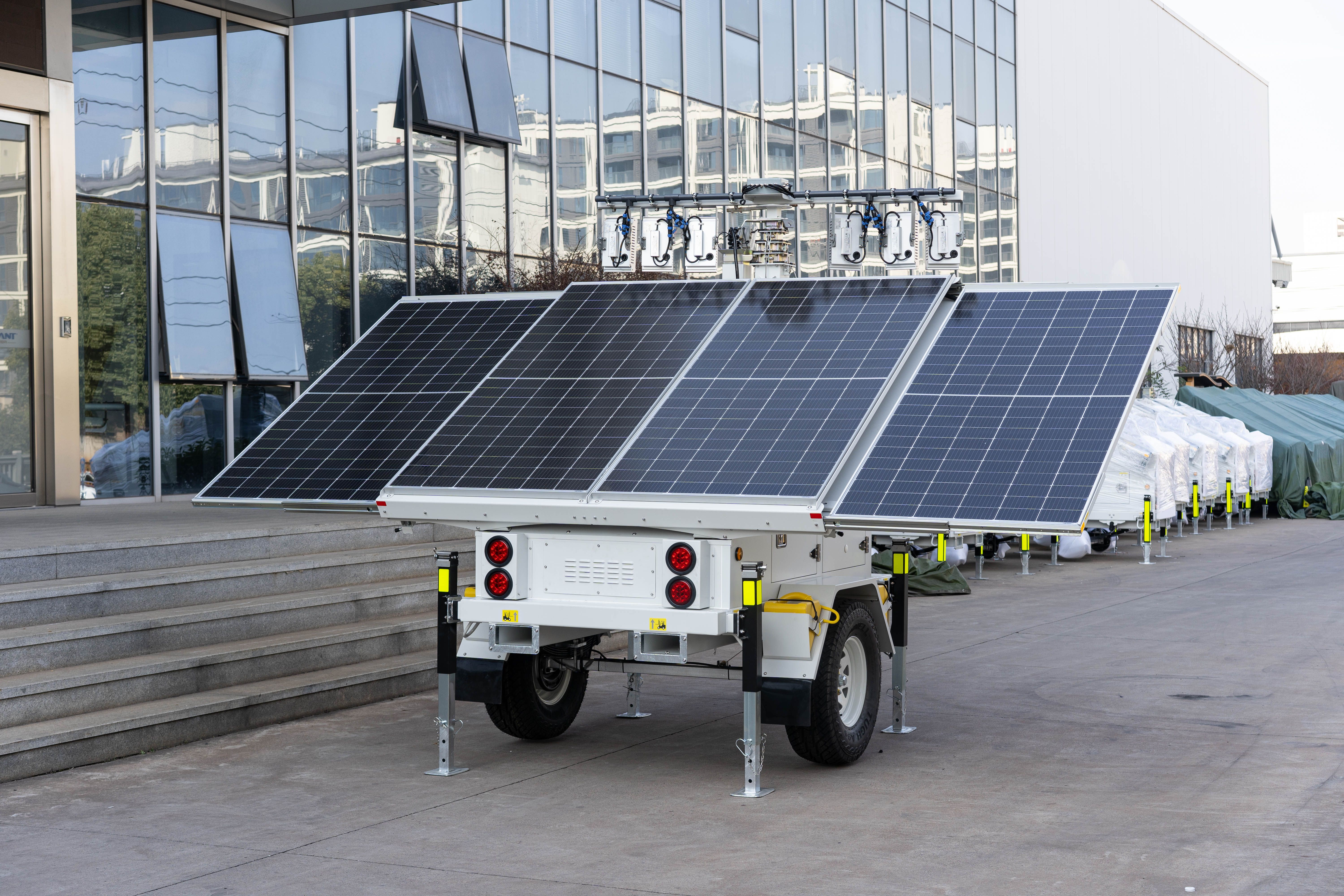
Atomic Summary: Meezan Bank offers Shariah-compliant solar financing in Pakistan under the Islamic concept of Diminishing Musharakah, requiring a down payment of 15% to 30% and offering tenures of 3 to 7 years. Pegged profit rates tied to the 1-Year KIBOR plus a bank spread apply, and all systems require AEDB-certified vendor installation and mandatory Takaful insurance. In 2026, with net billing export rates capped at approximately Rs 8.13 per unit, financing calculations must prioritize self-consumption savings to offset rising K-Electric and WAPDA tariffs.
As grid-tied electricity tariffs soar across Pakistan, transitioning to solar power has shifted from a luxury to a necessity. With WAPDA and K-Electric residential rates escalating, households in Lahore, Karachi, or Islamabad face high monthly bills. However, the upfront cost for a high-quality Tier-1 solar energy system is a significant hurdle. In June 2026, a standard 5 kW system costs between PKR 750,000 and PKR 950,000, while a larger 10 kW system ranges from PKR 1,300,000 to PKR 1,600,000. For many families, paying this upfront is impossible, making bank financing an essential alternative.
Among the institutions offering solar credit, Meezan Bank is the market leader. Rather than interest-bearing loans, Meezan Bank provides a Shariah-compliant alternative through structured monthly rentals. Understanding how the bank structures this facility, how installments are calculated, and how to use the calculator is essential. Furthermore, under NEPRA's 2026 regulatory changes, the financial dynamics of solar payback have evolved, making it critical to align installment calculations with self-consumption savings.
The Shariah-Compliant Structure: Diminishing Musharakah Explained
A common misconception is that Islamic solar financing is simply a conventional bank loan rebranded with religious terminology. In reality, Meezan Bank structures its solar financing under the Islamic contract of Diminishing Musharakah. Unlike conventional banking, which charges interest (Riba) on lent money, Diminishing Musharakah is a joint ownership agreement. The bank and the customer jointly purchase the solar power system. The customer provides a portion of the cost as a down payment, representing their initial equity share, and the bank covers the remaining balance.
The bank's share is then divided into ownership units. Over the financing tenure, the customer uses the solar system and pays a monthly rent (Ijarah) to the bank for using the bank's portion of the asset. Concurrently, the customer purchases the bank's ownership units one by one. As the customer's share in the solar system grows, the bank's share decreases, and the rental portion of the monthly installment is recalculated downward based on the remaining principal balance. Once all units are purchased, full ownership of the solar system is transferred to the customer. This model ensures that no interest is charged, and all transactions are backed by a physical, co-owned asset.
State Bank of Pakistan Refinance Context and the Commercial Shift
Previously, solar adoption was accelerated by the State Bank of Pakistan (SBP) concessionary refinance scheme at a fixed 6% rate. However, that scheme has transitioned, and most banks now finance solar systems using their own commercial funds, subject to market rates. For a broader perspective, read our detailed guide on how to finance a solar system in Pakistan.
Since banks use commercial liquidity, profit rates are variable and tied to the Karachi Interbank Offered Rate (KIBOR). Meezan Bank's rates consist of the 1-Year KIBOR plus a spread of 2% to 4%. Because KIBOR fluctuates, installments are revised annually. Therefore, customers must verify current KIBOR rates and confirm the exact spread with the bank before committing.
Key Financing Parameters: Down Payment, Tenure, and Eligibility
When planning to use the calculator, understanding these parameters helps you customize the estimates to fit your monthly cash flow:
- Down Payment: Meezan Bank requires 15% to 30% of the total system cost upfront. A higher down payment reduces the financed principal, decreasing your monthly rentals and total profit markup.
- Financing Tenure: Repayment terms range from 3 to 7 years. A longer tenure reduces your monthly installment but increases the total markup paid over the financing term.
- Takaful (Islamic Insurance): Safeguarding the co-owned asset is mandatory. Meezan Bank arranges Shariah-compliant insurance covering theft, fire, or wind damage. This premium is amortized into your monthly installment.
- AEDB-Certified Vendor: The bank only finances systems installed by vendors registered with the Alternative Energy Development Board (AEDB). This ensures Tier-1 equipment standards.
Salaried applicants must be aged 21-60 with a PKR 100,000 minimum monthly income. Self-employed applicants must be aged 21-65 with three years of business stability and a monthly income of PKR 150,000.
Worked Installment Examples: 5 kW and 10 kW Systems
This worked example illustrates typical monthly costs for 5 kW and 10 kW systems. It assumes a 20% down payment and a profit rate of 21% (1-Year KIBOR of 18% plus 3% spread). For smaller system details, check 5 kW solar system cost in Pakistan:
| Financing Metric | 5 kW Solar System Example | 10 kW Solar System Example |
|---|---|---|
| Total System Cost | PKR 850,000 | PKR 1,500,000 |
| Down Payment Contribution (20%) | PKR 170,000 | PKR 300,000 |
| Financed Principal Amount | PKR 680,000 | PKR 1,200,000 |
| Financing Tenure (Years) | 5 Years (60 Months) | 5 Years (60 Months) |
| Estimated Monthly Installment (Year 1) | PKR 18,500 - PKR 20,500 | PKR 32,500 - PKR 36,000 |
| Estimated Annual Takaful Rate | Approx. 1.8% of system cost | Approx. 1.8% of system cost |
A 10 kW system installment is roughly double that of a 5 kW system. To compare long-term savings and break-even timelines, see our analysis on the payback period of a 10 kW solar system.
The 2026 Net Billing Reality: How It Impacts Payback
In February 2026, NEPRA completed the transition from traditional net metering to a net billing framework. Previously, excess solar energy exported was credited near import rates. Under net billing, exported units are purchased by utilities at a lower rate, capped at approximately Rs 8.13 per unit.
This change has significant implications for financing. Since exported power is credited at Rs 8.13 per unit while grid imports cost PKR 55 to PKR 75 per unit, exporting excess energy is not profitable. To cover installments with utility savings, systems must optimize self-consumption. Homeowners should install hybrid systems with a battery bank to store daytime generation for peak evening use, avoiding grid imports. Financing calculations should focus on offsetting high retail utility rates.
Step-by-Step Guide to Using the Meezan Bank Online Calculator
To estimate your monthly installments using the online calculator:
- Select Customer Segment: Choose salaried or self-employed to apply the correct profit spread.
- Enter Total Cost: Input the quotation value from your AEDB-certified vendor, including installation and net billing costs.
- Choose Down Payment: Select your upfront contribution (15% to 30%) to view the financed principal.
- Select Tenure: Choose a term from 3 to 7 years to see the monthly rental estimates.
Buying Advice and Recommendations for Pakistani Solar Buyers
Keep these critical recommendations in mind when applying:
- Confirm KIBOR Revision: Profit rates adjust annually based on the 1-Year KIBOR, meaning your installment will change over the tenure.
- Budget Upfront Fees: You must pay non-refundable processing fees, documentation charges, and the initial Takaful premium upfront.
- Choose an Experienced Vendor: Use an AEDB-certified vendor with experience processing bank applications to expedite approval.
- Design for Self-Consumption: Size the system and battery storage to maximize local usage rather than exporting back to the grid.
Frequently Asked Questions
Is Meezan Bank's solar financing system interest-free?
Meezan Bank's solar financing is interest-free because it utilizes Shariah-compliant Diminishing Musharakah (joint ownership). Under this structure, the bank and customer jointly buy the solar system, and the customer pays rent for the bank's share while gradually purchasing it.
What is the minimum down payment and tenure for Meezan Bank solar financing?
The minimum down payment required by Meezan Bank ranges from 15% to 30% of the total system cost. The financing tenure is highly flexible, ranging from a minimum of 3 years up to a maximum of 7 years.
Are solar rates variable or fixed, and how does KIBOR affect them?
Rates are variable and pegged to the 1-Year KIBOR plus a bank spread (typically 2% to 4%). Installments are revised on the annual anniversary of your agreement based on the prevailing KIBOR rate.
Does Meezan Bank finance solar installations from any local vendor?
No, Meezan Bank only finances solar installations sourced from AEDB-certified vendors. The bank will not approve financing for DIY setups or uncertified local contractors, ensuring professional safety and quality standards.
How does Pakistan's 2026 net billing policy affect financed solar payback?
Under the net billing framework in 2026, exported units are credited at approximately Rs 8.13 per unit. To cover bank installments, systems must be designed for maximum self-consumption, utilizing battery storage to offset high evening grid rates.