The Truth About Flexible Solar Panels in Pakistan: Worth It or Waste of Money?
By PSI Editorial • June 8, 2026
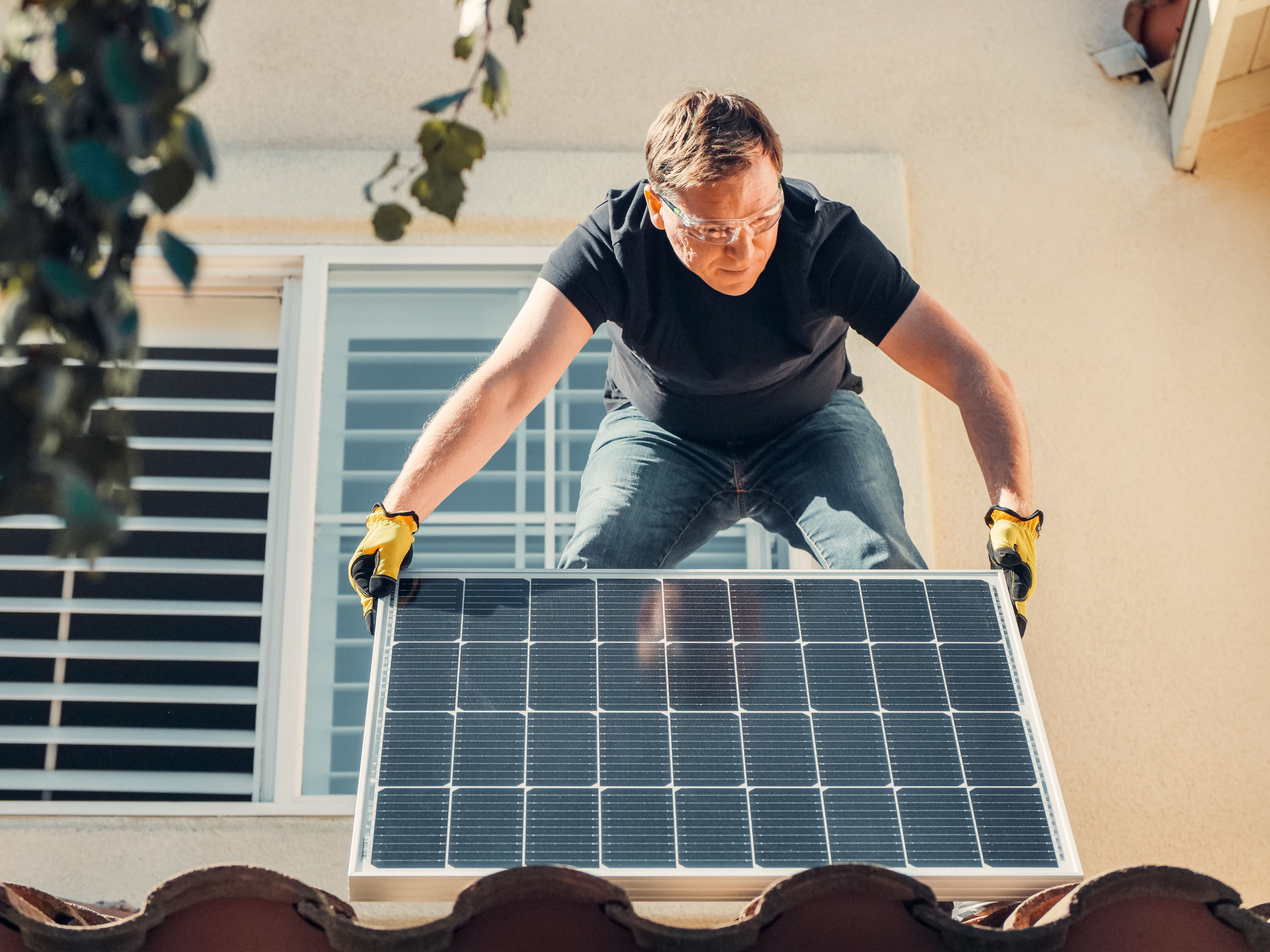
Atomic Summary: Flexible solar panels are a poor choice for permanent residential installations in Pakistan. Their polymer encapsulant degrades rapidly under extreme UV and 45°C+ temperatures, giving them a lifespan of only 5 to 10 years compared to 25 to 30+ years for rigid glass panels. They cost 2 to 3 times more per watt and lack the ventilation gap that keeps rigid panels cool. Reserve them for boats, RVs, and camping only.
You have seen them on social media: sleek, bendable solar panels that can wrap around any surface. They look futuristic, lightweight, and incredibly convenient. Some Pakistani sellers on OLX and Facebook Marketplace are aggressively pushing them for home use. But here is the uncomfortable truth that nobody tells you before you spend your money.
After analyzing hundreds of field installations across Lahore, Karachi, and Islamabad, we can confidently say that flexible solar panels are one of the most overhyped products in the Pakistani solar market. Here is exactly why.
How Flexible Solar Panels Actually Work
Flexible (or thin-film) solar panels use ultra-thin photovoltaic cells laminated between layers of polymer material (typically ETFE or PET plastic) instead of the tempered glass and aluminum frame used in rigid panels. This makes them lightweight (1 to 3 kg per panel), bendable up to 30 degrees, and easy to stick onto surfaces with adhesive.
The technology itself is not bad. Flexible panels use the same monocrystalline or CIGS cells found in rigid panels. The problem is entirely about what happens to that polymer encapsulant when exposed to Pakistan's brutal climate conditions.
Why Pakistan's Climate Destroys Flexible Panels
The UV Degradation Problem
Pakistan receives some of the highest solar irradiance in the world, with average daily values of 5.0 to 5.5 kWh/m² across Punjab and Sindh. While this is great for generating electricity, the intense UV radiation accelerates the breakdown of the polymer coating on flexible panels. Within 3 to 5 years, the plastic starts yellowing, cracking, and delaminating, causing hotspots and permanent cell damage.
Rigid panels use tempered glass that is essentially immune to UV degradation and rated for 25+ years of continuous exposure.
The Heat Buildup Catastrophe
This is the killer issue. Rigid panels are mounted on aluminum rails with an air gap of 10 to 15 cm above the roof surface. This gap allows natural convection cooling, keeping the panel temperature manageable even when ambient temperatures hit 48°C in Jacobabad or 45°C in Multan.
Flexible panels are glued directly onto the roof surface with zero air gap. This means they absorb heat from both the sun above and the roof below. Surface temperatures can easily exceed 80 to 90°C, causing:
- Dramatic efficiency loss (every 1°C above 25°C costs approximately 0.3 to 0.5% efficiency)
- Accelerated cell degradation and micro-cracking
- Lamination failure where layers literally peel apart
- Edge seal deterioration letting moisture in
Alert: At 85°C surface temperature, a flexible panel can lose 18 to 30% of its rated output. A ventilated rigid panel at the same ambient temperature might only reach 55 to 60°C and lose just 9 to 10%.
Head-to-Head Comparison: Flexible vs Rigid Panels
| Feature | Flexible Panel | Rigid Glass Panel (Tier-1) |
|---|---|---|
| Typical Wattage | 100W to 200W | 550W to 610W (N-Type TOPCon) |
| Weight | 1 to 3 kg | 25 to 32 kg |
| Encapsulant Material | ETFE / PET polymer | Tempered glass (3.2mm) |
| Lifespan (Pakistan climate) | 5 to 10 years | 25 to 30+ years |
| Performance Warranty | 1 to 5 years (if any) | 25 to 30 years linear |
| Heat Tolerance | Poor (no air gap) | Excellent (rail-mounted ventilation) |
| Dust Resistance | Low (scratches easily during cleaning) | High (tempered glass is scratch-resistant) |
| Cost per Watt (PKR) | PKR 80 to 150/W | PKR 24 to 32/W |
| Suitable for Net Metering | No (too small, no frame for mounting) | Yes (standard for all grid-tie systems) |
| Best Use Case | Boats, RVs, camping, temporary setups | Homes, businesses, farms, all permanent installs |
The Cost Trap: Why Flexible Panels Are Not Actually Cheaper
Many buyers assume flexible panels save money because they skip the mounting structure. Let us do the math:
- A single 580W Jinko N-Type TOPCon rigid panel costs approximately PKR 14,000 to 18,000 (about PKR 25 to 31 per watt).
- A 100W flexible panel from a decent brand costs PKR 8,000 to 15,000 (about PKR 80 to 150 per watt).
- To match 580W with flexible panels, you would need 6 panels at PKR 48,000 to 90,000 total.
Even after adding the aluminum mounting structure for the rigid panel (approximately PKR 3,000 to 5,000), the rigid option is 3 to 5 times cheaper per watt and lasts 3 to 5 times longer. The "savings" on mounting structure are a complete illusion.
When Flexible Panels Actually Make Sense
We are not saying flexible panels are useless. They have legitimate applications:
- Boats and marine use: Lightweight, corrosion-resistant, no wind load concerns.
- RVs and caravans: Easy to mount on curved roofs, minimal weight addition.
- Camping and portable power: Roll them up and carry them in a backpack.
- Temporary structures: Tents, market stalls, or construction site offices where permanent mounting is not possible.
- Heritage buildings: Where the building authority prohibits visible mounting structures on the facade.
For any of these applications, flexible panels are genuinely the right tool. But for your home rooftop in Lahore, Karachi, or Islamabad? Absolutely not.
What You Should Buy Instead
For a permanent residential installation in Pakistan, invest in rigid monocrystalline panels from a Tier-1 manufacturer. The best options available in the Pakistani market in 2026 include:
- Jinko Tiger Neo (N-Type TOPCon): 580 to 610W, 30-year performance warranty
- Longi Hi-MO X (N-Type): 570 to 600W, excellent low-light performance
- Canadian Solar HiKu7 (N-Type): 580 to 605W, strong warranty backing in Pakistan
- JA Solar DeepBlue 4.0 (N-Type): 575 to 615W, competitive pricing
Read our detailed N-Type vs P-Type panel comparison and half-cut cell technology guide to understand why these panels outperform older PERC technology.
The Dust Factor: An Overlooked Dealbreaker
Pakistan is an extremely dusty country, especially in Punjab and Sindh. Solar panels need regular cleaning, typically every 1 to 2 weeks during summer. Rigid panels with tempered glass can be cleaned with a hose, soft brush, or even a pressure washer without any damage.
Flexible panels have a soft polymer surface that scratches easily. Use a slightly abrasive brush and you permanently scar the surface, reducing output. Over time, the accumulated micro-scratches from cleaning create a haze that can reduce output by 10 to 15% even on a "clean" panel.
For proper cleaning techniques that maximize panel life, see our guide on how to clean solar panels safely.
Conclusion: Save Your Money for Rigid Panels
The bottom line is simple. Flexible solar panels are an exciting technology for niche mobile applications, but they are a terrible investment for permanent home installations in Pakistan. The combination of extreme heat, intense UV, heavy dust, and the 3x higher cost per watt makes them a losing proposition compared to rigid Tier-1 panels that will still be generating power two decades from now.
If a seller pushes you toward flexible panels for your home, consider it a red flag. Instead, invest in quality rigid panels, a reliable inverter, and proper flat roof mounting. Your wallet will thank you for the next 25 years.
Frequently Asked Questions
How long do flexible solar panels last in Pakistan's climate?
Flexible solar panels typically last 5 to 10 years in Pakistan due to extreme UV exposure and temperatures exceeding 45°C. Their polymer encapsulant degrades much faster than the tempered glass used in rigid panels, which last 25 to 30+ years.
Are flexible solar panels cheaper than rigid panels in Pakistan?
Per watt, flexible panels are actually 2 to 3 times more expensive than rigid monocrystalline panels. A 100W flexible panel costs PKR 8,000 to 15,000 while a 580W rigid Tier-1 panel costs around PKR 14,000 to 18,000, delivering far more power per rupee.
When should I use flexible solar panels instead of rigid panels?
Flexible panels are only recommended for mobile applications like RVs, boats, camping setups, or temporary installations where weight and curvature matter more than longevity. For permanent home or commercial rooftop installations in Pakistan, always choose rigid glass panels.