Are Half-Cut Solar Panels Better Than Full-Cell Panels?
By PSI Editorial • June 8, 2026
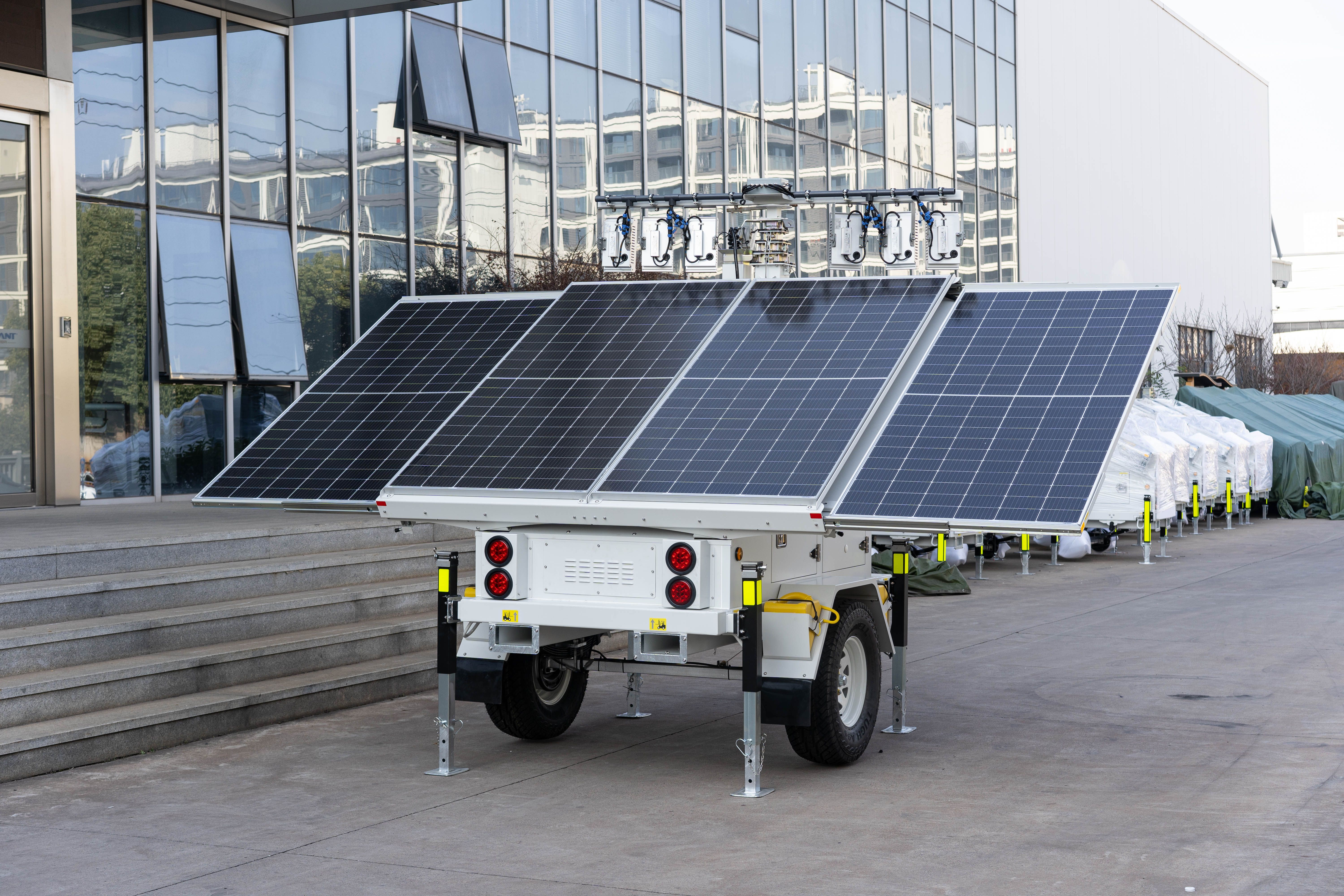
Atomic Summary: Half-cut solar panels use cells that are laser-cut in half, creating 120 or 144 smaller cells instead of the traditional 60 or 72 full cells. This reduces internal resistive losses by approximately 75%, improves shade tolerance by splitting the panel into two independent circuits, and lowers operating temperatures. In 2026, half-cut technology is the universal standard in all Tier-1 panels sold in Pakistan.
If you look closely at a modern solar panel from Jinko, LONGi, Canadian Solar, or Trina, you will notice the silicon cells look like they have been sliced perfectly down the middle. That precise laser cut is not a manufacturing defect — it is the single most important design improvement in solar panel technology over the last decade.
This guide explains the physics behind why cutting cells in half dramatically improves performance, and why it matters especially in Pakistan's brutal summer heat and partially shaded rooftop environments.
What Exactly Are Half-Cut Cells?
Traditional solar panels use 60 cells (for residential) or 72 cells (for commercial/larger panels), each measuring approximately 156mm x 156mm. In half-cut technology, each cell is precision-cut using a laser beam into two identical halves, resulting in 120 or 144 half-cells per panel.
But simply cutting cells in half is only part of the innovation. The real breakthrough is how these half-cells are wired together.
The Split-Circuit Architecture
In a half-cut panel, the 120 or 144 cells are divided into two completely independent electrical circuits — the top half and the bottom half. Each half has its own set of bypass diodes and its own current path to the junction box. The two halves are connected in parallel at the junction box, combining their output.
This split-circuit design is the foundation of every advantage that half-cut panels offer over full-cell panels.
The Three Key Advantages
1. 75% Reduction in Resistive Losses (I²R Losses)
This is the most significant electrical benefit. Here is the physics:
- When you cut a cell in half, each half-cell generates half the current of a full cell (but at the same voltage).
- Resistive power loss follows the formula: P = I² x R (power loss equals current squared times resistance).
- Since current is halved, the I² term is reduced to one-quarter: (0.5I)² = 0.25 x I².
- With the two halves connected in parallel, total resistive loss is 2 x 0.25 = 0.50, or 50% of the original. When you account for the reduced resistance paths in the parallel circuit, the net reduction reaches approximately 75%.
In practical terms, this means more of the sunlight your panels capture gets converted into usable electricity instead of being wasted as heat inside the cells and interconnect ribbons.
2. Superior Shade Tolerance
This is where half-cut panels genuinely shine in Pakistani rooftop installations. Consider a typical Pakistani roof: water tanks cast shadows in the afternoon, parapet walls block low-angle morning/evening sun, satellite dishes create moving shadows, and neighboring buildings may shade parts of your array.
In a full-cell panel, all cells are connected in one series string. If shade covers even 10% to 15% of the panel, bypass diodes activate and shut down an entire section (typically one-third of the panel), causing a 33% power loss from that single panel. In a string of panels connected in series, this can cascade and reduce the output of the entire string.
In a half-cut panel, if shade covers the bottom half:
- The bottom circuit activates its bypass diodes and loses output.
- The top circuit continues operating at 100% capacity.
- You lose only 50% of that panel's output instead of potentially 100%.
For Pakistani rooftops where partial shading is nearly unavoidable, this difference can translate to 10% to 20% higher real-world annual energy production.
3. Lower Operating Temperature
Because half-cut cells waste less energy as heat (due to lower I²R losses), the panel operates at a lower temperature than an equivalent full-cell panel under the same conditions. In Pakistan where summer ambient temperatures reach 45 to 50°C and panel surface temperatures can exceed 70°C, even a 2 to 3°C reduction in cell temperature is meaningful.
Every 1°C increase in cell temperature above 25°C (Standard Test Conditions) reduces panel output by approximately 0.35% to 0.45% for typical silicon panels. Over a 25-year lifespan, lower operating temperatures also mean slower thermal degradation of the EVA encapsulant and cell interconnections, extending the panel's productive life.
Full-Cell vs. Half-Cut: Complete Comparison
| Feature | Full-Cell Panel (60/72 Cells) | Half-Cut Panel (120/144 Cells) |
|---|---|---|
| Cells Per Panel | 60 (residential) / 72 (commercial) | 120 (residential) / 144 (commercial) |
| Resistive (I²R) Loss | Baseline (higher) | 75% lower |
| Shading Tolerance | Poor (entire string affected) | Good (independent top/bottom circuits) |
| Operating Temperature | Higher | 2 to 3°C cooler |
| Efficiency Gain | Baseline | 2% to 4% higher real-world output |
| Micro-Crack Resistance | Lower (larger cells more prone) | Higher (smaller cells more resilient) |
| Hotspot Risk | Higher | Lower (bypass diodes limit current mismatch) |
| Price Premium (2026) | N/A (discontinued by most Tier-1) | No premium (industry standard) |
| Availability in Pakistan | Rare (old stock only) | Universal (all new Tier-1 panels) |
Why Half-Cut Matters Especially for Pakistan
Pakistan presents a uniquely challenging environment for solar panels, and half-cut technology addresses several Pakistan-specific problems:
Extreme Heat Performance
Cities like Multan, Jacobabad, Sibbi, and Nawabshah regularly see temperatures above 48°C in May through August. Panel surface temperatures can reach 70 to 80°C. The reduced I²R losses in half-cut panels mean less self-heating, partially counteracting the efficiency loss from extreme ambient temperatures.
Dusty Environment Hotspot Prevention
When dust accumulates unevenly on a panel (common after wind-blown dust storms in Sindh and Southern Punjab), some cells receive less light than others. In full-cell panels, this current mismatch creates dangerous hotspots where shaded cells become resistive loads, heating up to 150°C and potentially burning the backsheet. Half-cut panels mitigate this through their split-circuit design and more effective bypass diode configuration.
Cluttered Rooftops
Pakistani residential rooftops are notoriously cluttered — water tanks, TV antennas, satellite dishes, clotheslines, and parapet walls all create partial shadows. Half-cut panels' independent circuit design ensures that at least half the panel continues generating power regardless of partial shading.
What About Third-Cut and Shingled Cells?
The industry is already moving beyond half-cut to even more advanced cell architectures:
- Third-cut cells divide each cell into three pieces, further reducing I²R losses and improving shade tolerance. Some premium panels from Trina and Risen already use this approach.
- Shingled cell technology overlaps thin cell strips like roof shingles, eliminating inter-cell gaps and increasing the active cell area per panel. This can boost panel wattage by 5% to 10% within the same physical dimensions.
However, for the Pakistani market in 2026, half-cut technology remains the dominant and most cost-effective standard. Third-cut and shingled panels command a price premium and are primarily available in the premium segment.
Buying Advice for Pakistani Consumers
- All Tier-1 panels are half-cut by default. If a dealer is offering you full-cell panels from a brand like Jinko, LONGi, or Canadian Solar, they are selling you old stock or counterfeit panels.
- Check the cell count on the datasheet. A modern residential panel should list 120 or more cells. A commercial panel should list 144 or more cells.
- Pair with an MPPT inverter. Half-cut panels perform best when paired with inverters that have proper MPPT (Maximum Power Point Tracking) controllers like Growatt, Solis, or Huawei models. These track the optimal voltage/current point for each string independently.
- Do not mix full-cell and half-cut panels. If you are expanding an existing system, mixing old full-cell panels with new half-cut panels in the same string will cause current mismatch issues. Use a separate MPPT input for each panel type.
For a deeper understanding of how shading affects your entire solar array, read our detailed article on how shading on one panel affects the rest of your system. To understand the difference between the cell materials used in modern panels, see our comparison of monocrystalline vs polycrystalline solar panels.
Frequently Asked Questions
Are half-cut solar panels more expensive than full-cell panels?
As of 2026, the price premium for half-cut technology has shrunk to near zero. Virtually all Tier-1 panels from Jinko, LONGi, Canadian Solar, Trina, and JA Solar now use half-cut cells by default. You would actually have difficulty finding a new full-cell panel from any reputable manufacturer. The technology is now the industry standard, not a premium upgrade.
How do half-cut panels handle shading better?
Half-cut panels are wired as two independent electrical halves (top and bottom), each with its own set of bypass diodes. If a shadow falls on the bottom half of the panel (from a parapet wall, water tank, or neighboring building), the top half continues generating at 100% capacity. In a full-cell panel, the same shadow could shut down the entire panel or a full string of cells, causing much greater power loss.
Do half-cut panels work better in Pakistan's extreme heat?
Yes. Half-cut cells carry half the current of full cells, which reduces resistive (I²R) losses by approximately 75%. Lower resistive losses mean less internal heat generation. In Pakistani summers where ambient temperatures reach 45 to 50°C and panel surface temperatures can exceed 70°C, this reduced heat generation helps maintain higher efficiency and extends the panel lifespan.