Monocrystalline vs Polycrystalline Solar Panels Pakistan 2026
By PSI Editorial · 6 min read · Updated September 2026
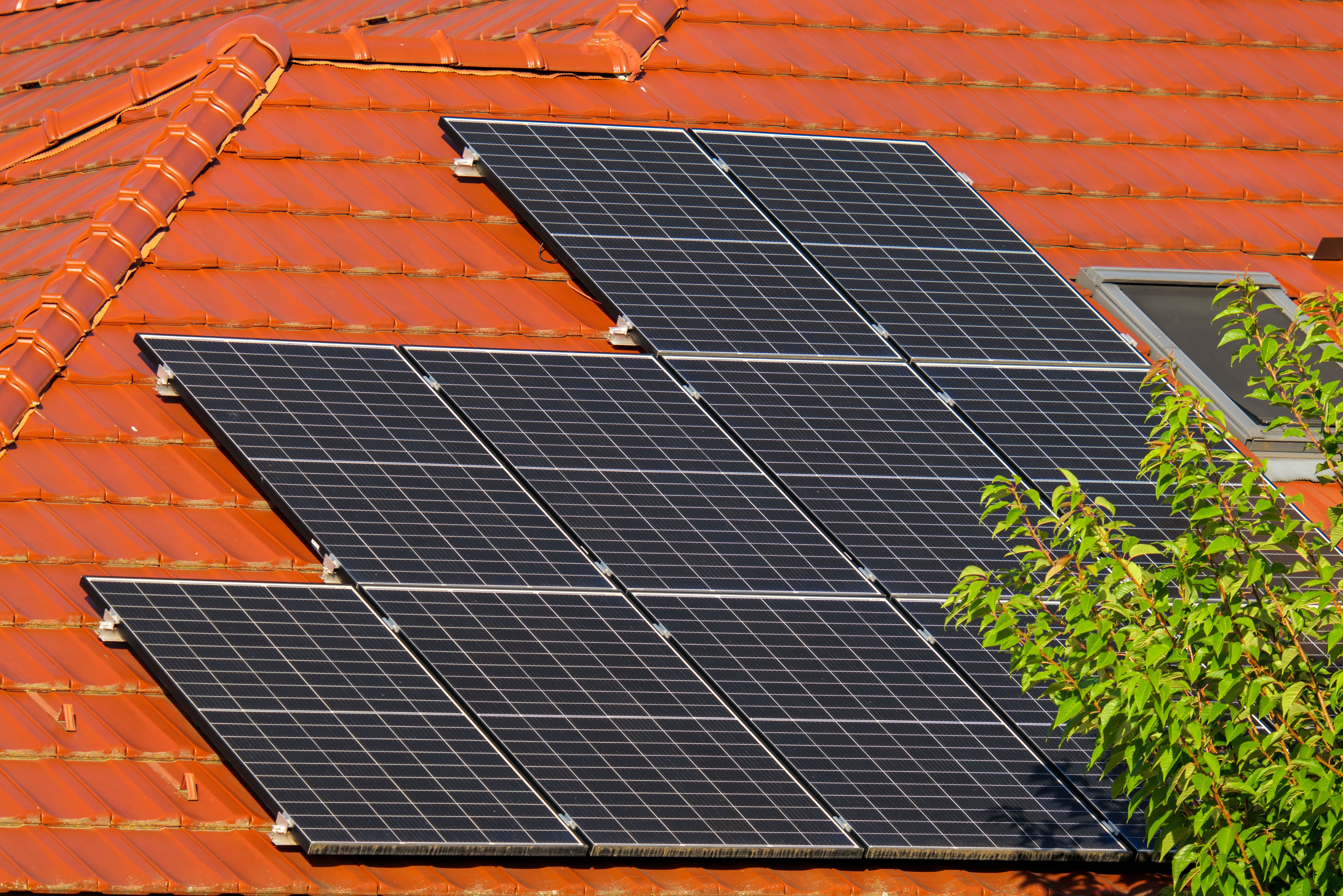
Atomic Summary: Monocrystalline panels are decisively better for Pakistan in 2026 and have essentially replaced polycrystalline in the market. Mono panels offer 21–22% efficiency vs 16–18% for poly, better heat performance in Pakistan's 40–50°C summers, and are priced at roughly the same per-watt cost. In 2026, buying polycrystalline panels in Pakistan is not recommended — monocrystalline is the clear choice.
The Key Differences Explained Simply
Monocrystalline panels are made from a single continuous crystal of silicon, grown using the Czochralski process. The uniform crystal structure allows electrons to flow more freely, resulting in higher efficiency. You can identify them by their uniform dark blue or black colour and rounded corners on each cell.
Polycrystalline panels are made from multiple silicon crystal fragments melted together. The grain boundaries between crystals create slight resistance, reducing efficiency. They appear lighter blue with visible crystal grain patterns and square cell corners.
Complete Comparison for Pakistani Conditions
| Feature | Monocrystalline | Polycrystalline | Winner |
|---|---|---|---|
| Efficiency | 20–22.5% | 15–18% | Mono |
| Temperature Coefficient | -0.30 to -0.38%/°C | -0.38 to -0.45%/°C | Mono |
| Roof space needed | Less (higher W/m²) | More (lower W/m²) | Mono |
| Price per watt (Pakistan 2026) | Rs. 22–32/W | Rs. 20–28/W (limited stock) | Similar |
| Availability in Pakistan 2026 | Widely available | Diminishing | Mono |
| 25-year degradation | 0.4–0.5%/year | 0.5–0.7%/year | Mono |
| Summer performance (Pakistan) | Better in heat | More heat losses | Mono |
Why Pakistan Has Moved to Mono — The Price Crossover
Until around 2020, polycrystalline panels were significantly cheaper per watt than monocrystalline, making them the budget choice. However, massive investment in monocrystalline manufacturing by Chinese Tier-1 brands (Jinko, LONGi, Trina) drove mono prices down to near-parity with poly by 2022–2023. By 2026, the price advantage of polycrystalline panels has largely disappeared in Pakistan, while monocrystalline's efficiency and performance advantages remain. The result: there is essentially no rational reason to choose polycrystalline over monocrystalline in Pakistan today.
Frequently Asked Questions
Which is better for Pakistan — monocrystalline or polycrystalline solar panels?
Monocrystalline panels are better for Pakistan in 2026 — higher efficiency, better heat performance in our extreme summers, and now priced similarly per watt to polycrystalline. Virtually all new solar installations in Pakistan now use monocrystalline panels. There is no practical reason to choose polycrystalline in 2026.
Are polycrystalline solar panels still sold in Pakistan?
Yes, but very limited stock remains as dealers sell off old inventory. Polycrystalline panels from Tier-1 manufacturers have largely been discontinued in favour of monocrystalline PERC and N-type technology. If offered poly panels by a dealer in 2026, ask why — it may indicate they are clearing outdated stock.
What is the price difference between mono and poly solar panels in Pakistan?
In 2026, both monocrystalline and polycrystalline panels cost approximately Rs. 22–32/watt. The price gap has effectively closed. Since monocrystalline offers meaningfully higher efficiency, better heat performance, and longer warranties, it is the clear choice at the same price per watt.
Related: Solar Panel Prices · Half-Cut vs Full Cell · Tier-1 Panel List