Is Net Metering Banned in Pakistan? August 2026 Policy Update
By PSI Editorial • June 10, 2026
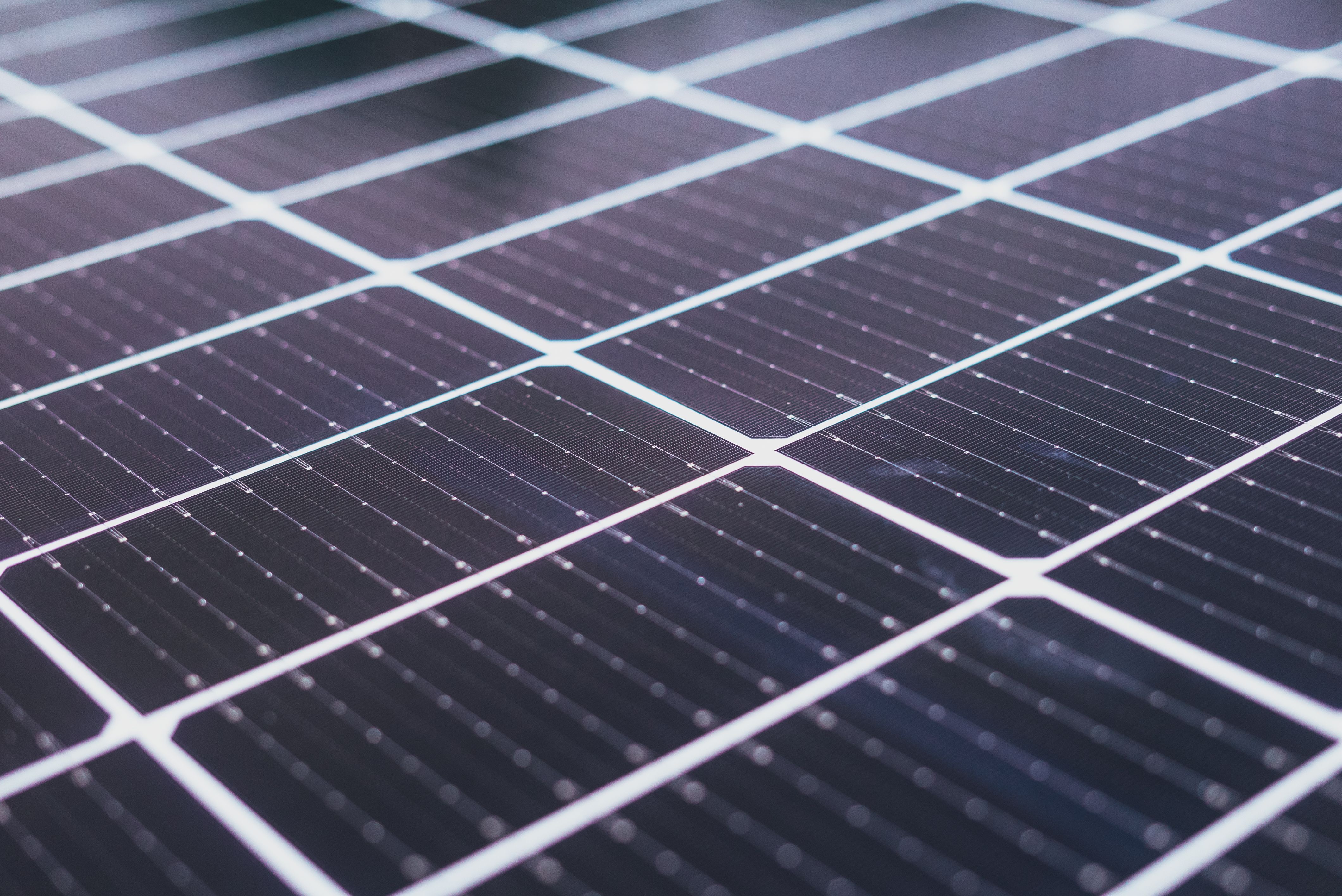
Atomic Summary: Net metering is NOT banned in Pakistan. However, as of February 2026, NEPRA officially replaced the old 1:1 unit-swap system with a "net billing" regime. Surplus electricity exported to the grid is now bought back at roughly Rs. 11 to 13 per unit, far below the retail rate of Rs. 55 to 65+. Existing users retain their original terms until contract expiry, but new applicants must adapt their strategy to maximize self-consumption and battery storage.
If you have been scrolling through YouTube or WhatsApp forwards claiming "the government has banned solar panels," take a deep breath. The reality is more nuanced and, honestly, more interesting than the clickbait suggests. Solar is alive and well in Pakistan, but the financial rules of the game have fundamentally shifted.
What Actually Happened: From Net Metering to Net Billing
On February 9, 2026, NEPRA (National Electric Power Regulatory Authority) notified the NEPRA (Prosumer) Regulations, 2026, officially retiring the decade-old net metering framework that had been in place since 2015. Here is the critical difference between the two systems:
| Feature | Old Net Metering (2015 to 2026) | New Net Billing (2026 Onwards) |
|---|---|---|
| Export Compensation | 1:1 unit swap at retail rate | Rs. 11 to 13/unit (wholesale rate) |
| Import Rate | Standard retail tariff | Standard retail tariff (no change) |
| Contract Duration | 7 years | 5 years |
| Billing Cycle | Quarterly adjustment | Monthly adjustment |
| Transformer Limit | Less strict | Rejected if transformer at 80% capacity |
Under the old system, if your 10 kW system produced 50 units during the day and you only consumed 20, the remaining 30 units were credited to your account at the full retail rate. You essentially "banked" those units and consumed them at night for free. It was like using WAPDA as a free battery.
Under the new net billing system, those same 30 exported units are bought at the National Average Energy Purchase Price (roughly Rs. 11 to 13 per unit), while you still pay the full retail price of Rs. 55 to 65+ for every unit you import at night. The financial math has changed dramatically.
Why Did NEPRA Make This Change?
The answer involves DISCO revenue losses and grid stability concerns:
1. Revenue Shortfall for Distribution Companies
Pakistan's DISCOs (LESCO, IESCO, MEPCO, FESCO, K-Electric, etc.) were losing billions in revenue as affluent households with large solar systems exported excess power at premium retail rates. The DISCOs argued they were paying top-tier prices for unscheduled solar power while still bearing fixed infrastructure costs for maintaining the grid, transformers, and transmission lines that solar users rely on.
2. Grid Stability Concerns
As residential solar penetration exploded (Pakistan added over 3 GW of distributed solar by 2025), certain feeders and transformers became overloaded with reverse power flow during peak sunlight hours. The 80% transformer capacity rule in the new regulations is a direct response to this technical problem.
3. IMF and Circular Debt Pressure
Pakistan's ongoing IMF program includes conditionalities around reducing circular debt and eliminating power sector subsidies. The generous 1:1 net metering framework was viewed as an implicit subsidy to solar adopters, primarily wealthier households, at the expense of non-solar consumers who bore higher per-unit costs.
What Happens to Existing Solar Users?
Alert: If you already have a net metering agreement signed with your DISCO before February 9, 2026, you are generally protected. SRO 547(I)/2026 clarified that existing consumers can continue under their original net metering terms until their contract expires.
However, there is an important catch: if you make a "material modification" to your solar system that changes its maximum electrical output (for example, upgrading from 10 kW to 15 kW), your existing contract protection may be voided and you will fall under the new net billing rules. For guidance on system upgrades, read our guide on upgrading your solar system.
How to Maximize ROI Under the New Net Billing Regime
The golden rule for 2026 and beyond is simple: consume every watt you generate yourself. Here is how smart Pakistani homeowners are adapting:
Step 1: Right-Size Your System
Do not oversize your system hoping to export excess units for profit. Instead, match your system size precisely to your daytime load. Use our solar load calculator formula to determine the ideal system size. A 5 kW system for a house with a 4 to 5 kW daytime load is now smarter than a 10 kW system exporting 60% of its output.
Step 2: Add Battery Storage
With export rates slashed to Rs. 11/unit, every unit you store in a battery and use at night "saves" you Rs. 55 to 65+ compared to buying from the grid. A lithium battery bank of 5 to 10 kWh paired with a hybrid inverter now pays for itself within 2 to 3 years. Popular options include Pylontech, Felicity Solar, and locally assembled lithium packs from Osaka and Phoenix.
Step 3: Shift Heavy Loads to Daytime
Run your washing machine, iron, electric geyser, and kitchen appliances like air fryers during peak sunlight hours (10 AM to 3 PM). This maximizes self-consumption and reduces the units you would otherwise export at a loss.
Step 4: Consider a Hybrid Inverter
A hybrid inverter (like the Solis S6-EH1P, Growatt SPH, or Huawei SUN2000) allows you to intelligently manage solar, battery, and grid power. It prioritizes self-consumption, charges your battery with surplus solar, and only exports to the grid as a last resort. Compare the best options in our inverter buying guide.
WAPDA vs K-Electric: Is There a Difference?
Yes. K-Electric (serving Karachi) and WAPDA-controlled DISCOs may implement the net billing rules slightly differently. K-Electric has historically been slower to process net metering applications and has its own tariff structure. If you are in Karachi, read our detailed comparison of WAPDA vs K-Electric net metering policies.
Financing Your Solar System in the New Era
Despite the rule changes, solar financing remains accessible. Meezan Bank, HBL, and multiple SBP-backed schemes still offer solar financing at subsidized rates under the State Bank's renewable energy refinancing program. The key difference is that banks now calculate expected payback periods using net billing rates rather than the old net metering returns. Use our Meezan Bank solar financing calculator to estimate your monthly installments.
The Bottom Line: Solar Is Not Dead, But the Strategy Has Changed
The era of installing a massive oversized solar system and treating WAPDA as your personal free battery is over. But solar remains one of the best financial investments a Pakistani household can make in 2026, provided you focus on:
- Self-consumption first by right-sizing your system
- Battery storage to capture surplus for nighttime use
- Load shifting to maximize daytime solar usage
- Hybrid inverters for intelligent power management
Even under net billing, a well-designed 5 to 10 kW hybrid system in Pakistan achieves payback in 3 to 5 years, with 20+ years of near-free electricity afterward. That is still a dramatically better return than any fixed deposit or savings account.
Frequently Asked Questions
Is net metering completely banned in Pakistan in 2026?
No. Net metering is not banned. However, as of February 9, 2026, NEPRA replaced the old 1:1 net metering system with a net billing system under the NEPRA (Prosumer) Regulations, 2026. You can still export surplus solar power to the grid, but the buy-back rate is now approximately Rs. 11 to 13 per unit instead of the full retail rate.
Are existing net metering users affected by the new rules?
Existing solar consumers who signed agreements with their DISCO before February 9, 2026, are generally allowed to continue under their original net metering terms until their contract expires. However, making material modifications that change the system's maximum output can void this protection.
Is solar still worth it in Pakistan after the net billing change?
Yes, solar remains highly viable if you focus on maximizing self-consumption rather than exporting excess units. Pairing your system with lithium battery storage or shifting heavy loads like ACs, washing machines, and irons to daytime hours ensures you consume most of what you generate, maintaining a strong ROI of 3 to 5 years.