Why You Should Never Step on a Solar Panel
By PSI Editorial • June 8, 2026
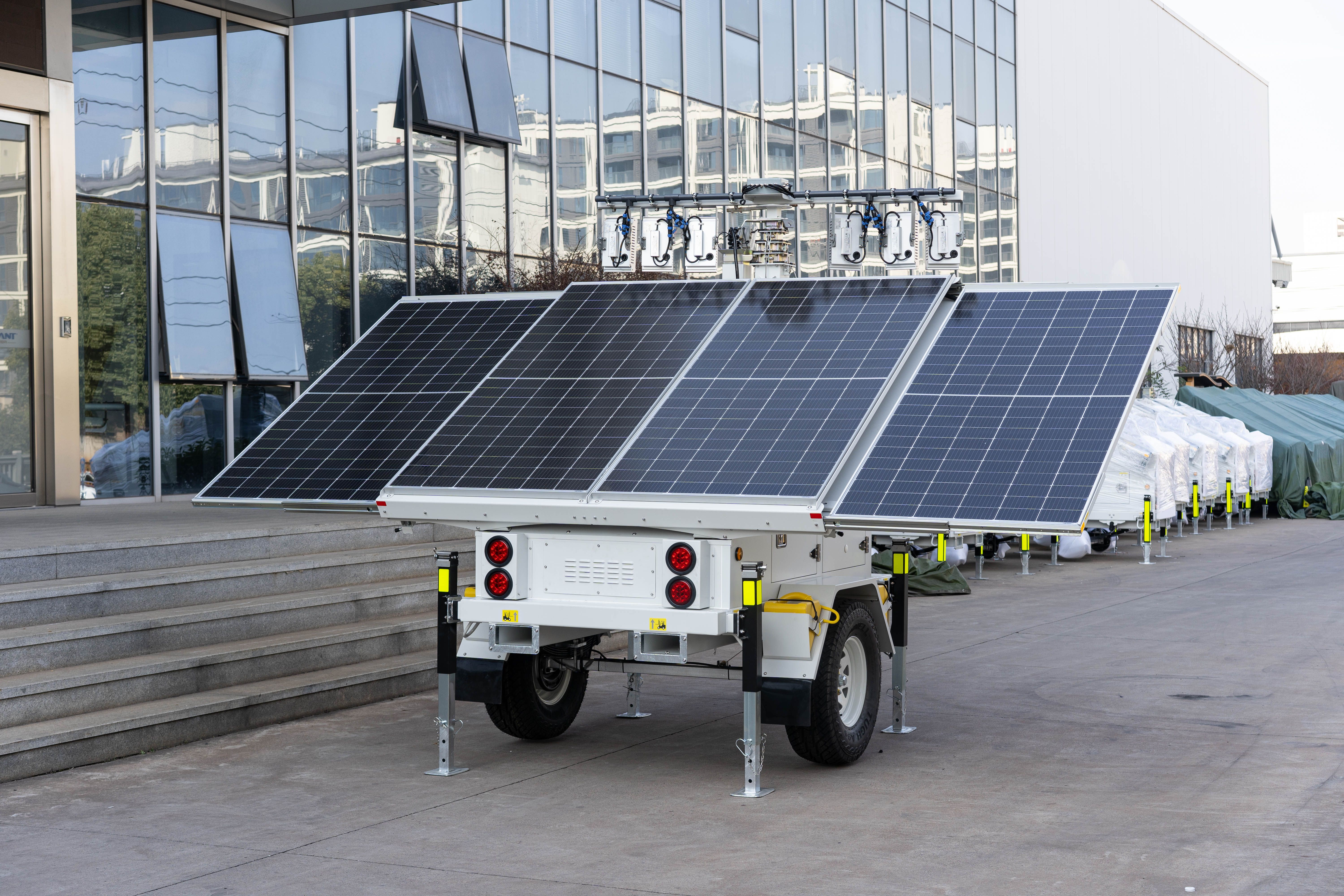
Atomic Summary: The silicon wafers inside a solar panel are as brittle as potato chips. While the protective top glass flexes under your weight, the silicon cells beneath snap and develop microscopic cracks. These invisible micro-cracks permanently reduce power output and create extreme electrical "hotspots" that can easily catch fire.
It is an all-too-common sight on rooftops across Pakistan: during an installation or a routine cleaning, a lazy worker casually places a foot directly in the center of a newly laid Tier-1 solar panel to reach the other side. They step off, the glass remains perfectly intact, and they assume no harm was done. This is one of the most destructive and dangerous assumptions in the solar industry.
While the thick tempered glass on top of a Longi, Jinko, or Canadian Solar panel is designed to withstand heavy hail, it is not designed to bear the concentrated, localized weight of a human being. The real damage happens beneath the glass, completely invisible to the naked eye. Let us explore the exact science behind why stepping on a solar panel instantly destroys its lifespan and efficiency.
The Anatomy of a Solar Panel
To understand the damage, you must understand how a solar panel is constructed. A standard modern solar panel consists of several layers sandwiched together:
- Tempered Glass: The thick 3.2mm top layer that provides rigidity and weather protection.
- EVA Encapsulant: A transparent adhesive resin that holds the cells to the glass.
- Silicon Solar Cells: The ultra-thin wafers of crystalline silicon that actually generate the electricity.
- Backsheet: A white or black polymer layer at the bottom that seals out moisture.
The Micro-Crack Phenomenon
The core problem lies in the silicon solar cells themselves. Modern silicon wafers are sliced incredibly thin—often around 160 micrometers, which is roughly the thickness of a human hair. Despite their high-tech capability, pure crystalline silicon is inherently brittle. It has the physical consistency of a delicate potato chip or a thin sheet of dried pasta.
Step 1: The Glass Flexes
When you place your foot on the panel, the tempered glass is strong enough that it does not immediately shatter. Instead, it flexes inward under the concentrated point load of your heel.
Step 2: The Silicon Snaps
Because the silicon cells are glued tightly beneath the glass via the EVA encapsulant, they are forced to flex along with the glass. But silicon cannot bend. The moment the glass bows inward even a fraction of a millimeter, the delicate silicon cells snap, developing microscopic fractures known as micro-cracks.
Step 3: Invisible Destruction
When the worker steps off the panel, the glass springs back to its perfectly flat shape. The solar panel looks completely pristine and undamaged from the outside. However, beneath the glass, the silicon is permanently fractured.
⚠️ Warning: Never accept panels from an installer who walks on them during installation. If you witness this happening on your roof, halt the work immediately and demand replacements. The damage may take months to manifest in your WAPDA bills, but the loss is permanent.
The Dangerous Consequences of Micro-Cracks
Micro-cracks do not just cause a minor drop in efficiency; they initiate a cascading chain of failures that can destroy the entire panel and pose a severe fire risk.
1. Loss of Power Production
Solar cells have tiny silver wires called busbars running across them, which carry the direct current (DC) electricity to the main junction box. When a micro-crack severs these microscopic pathways, the electricity can no longer flow efficiently. Portions of the cell become electrically isolated, leading to a permanent, irreversible drop in the panel's power output.
2. The "Hotspot" Fire Hazard
This is the most dangerous consequence. When electricity encounters the newly formed micro-crack, it acts as a massive point of electrical resistance. The current forces its way across the broken gap, and this extreme resistance generates intense heat.
Over a few months of baking under the intense Pakistani sun, these resistance points turn into severe thermal hotspots. The heat can become so intense (exceeding 150°C) that it literally scorches the EVA encapsulant, burns a brown hole through the protective polymer backsheet, and can ignite the roof structure beneath.
How to Safely Maintain Your Solar Array
Given the extreme fragility of the silicon cells, how are you supposed to clean dust off a massive 15kW array where the middle panels are completely out of reach?
| Cleaning Method | Safety Rating | Risk to Panels |
|---|---|---|
| Walking / Crawling on Panels | Terrible | Guaranteed micro-cracks and hotspots. |
| Leaning heavily on the frame | Poor | Can warp the aluminum frame and stress the glass edges. |
| Telescopic Water-Fed Poles | Excellent | Zero risk. Safe for all Tier-1 arrays. |
Design with Maintenance in Mind
The root cause of panels being stepped on is usually poor structural design. When installing a large system, you must insist that the installers leave narrow walkways (at least 1.5 feet wide) between every few rows of panels. This ensures that no panel is further than an arm's length away from a solid, walkable surface.
Invest in Telescopic Poles
If you already have a tightly packed array with no walkways, the only safe solution is to purchase an extendable, telescopic cleaning pole with a soft-bristle brush attachment. These poles can reach up to 20 feet, allowing you to clean the dead center of the array while standing safely on the edge of your roof.
To learn more about proper cleaning techniques that will not scratch the anti-reflective coating on your expensive glass, read our comprehensive guide on how to wash solar panels on a slanted roof.
Frequently Asked Questions (FAQ)
Can I sit or walk on my solar panels if the glass doesn't break?
Absolutely not. Even if the tempered top glass flexes and does not shatter, the ultra-thin silicon cells underneath are incredibly brittle. The pressure of your body weight causes invisible micro-cracks that permanently damage the panel.
How do micro-cracks affect a solar panel?
Micro-cracks sever the delicate silver busbars that carry electricity across the cell. This creates severe electrical resistance, leading to a permanent drop in power output. Over time, this resistance turns into severe heat, creating a "hotspot" that can burn through the backsheet and start a fire.
How do I clean the middle of my solar array without stepping on it?
The only safe way to clean large arrays is from the ground or a sturdy ladder using a telescopic water-fed pole with a soft-bristle brush. Never step onto the array, and leave adequate walkways between rows during the initial installation.