How to Safely Wash Solar Panels on a Slanted Roof
By PSI Editorial • June 8, 2026
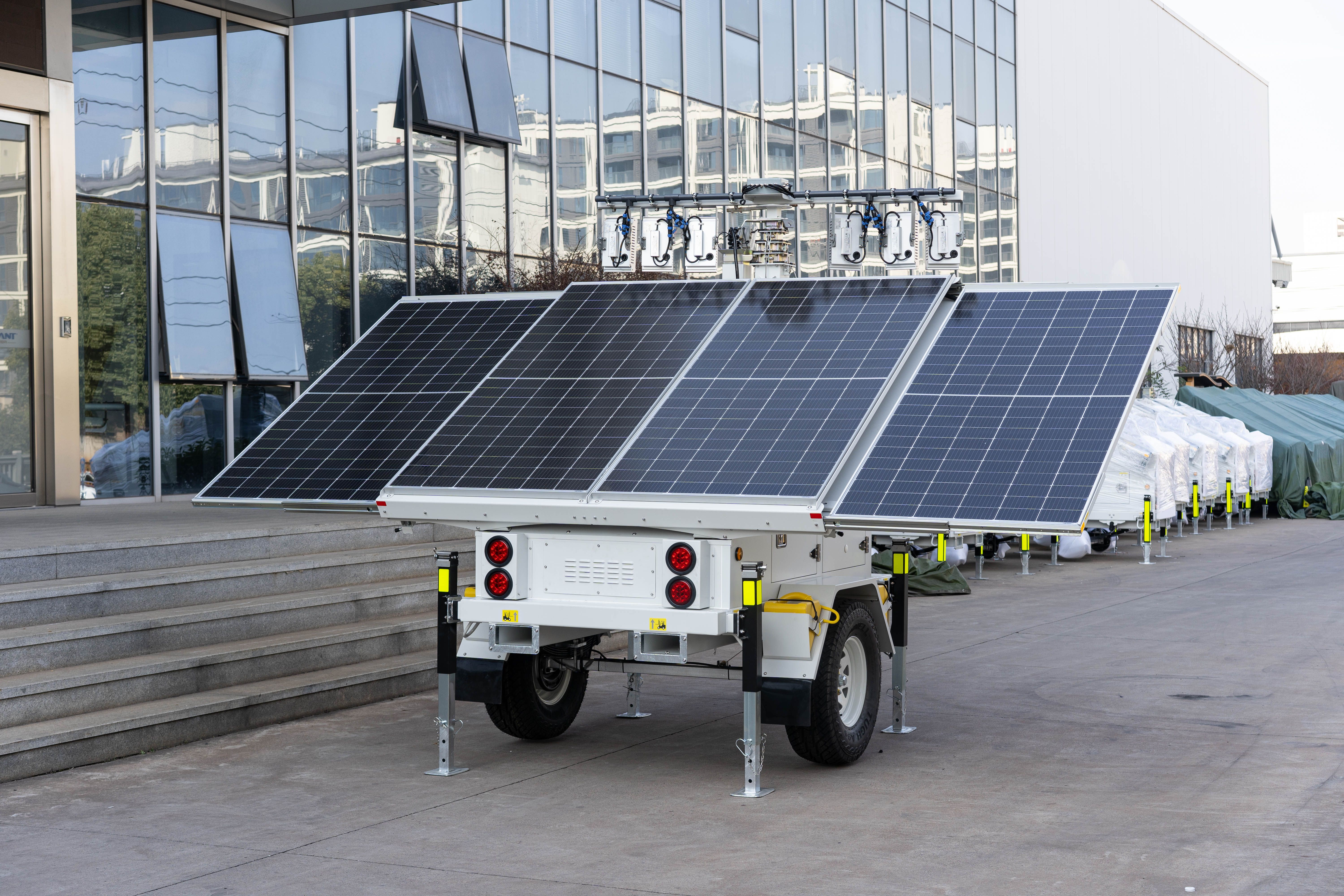
Atomic Summary: Never walk on a slanted roof to clean your solar panels. Instead, use an 18-foot water-fed telescopic pole equipped with a soft microfiber brush. Always use filtered or distilled water rather than hard bore water to avoid permanent calcification stains, and only clean during the cool early morning to prevent thermal shock.
For most households in Pakistan, paying a hefty WAPDA or K-Electric bill during peak load-shedding summer months is a nightmare. This makes every single kilowatt generated by your solar system extremely precious. However, heavy dust from rapid urbanization, industrial smog, and agricultural activities can coat your panels in a thick layer of grime within weeks. Studies show that dirty panels can lose between 15% to 30% of their generation capacity.
If you have a flat concrete roof, cleaning is a simple Sunday morning chore. But what if your 10kW system is mounted flush against a steep, slanted, or pitched roof? Attempting to balance on a slippery incline with a bucket of water is not just difficult—it is a fatal accident waiting to happen.
The Deadly Risk of Slanted Roof Maintenance
A standard 545W or 575W Tier-1 solar panel is roughly 2.2 meters tall. When multiple panels are tiled together on a slanted roof, reaching the top row without physically stepping onto the array is nearly impossible for the average homeowner.
🚨 CRITICAL ALERT: Never, under any circumstances, step on your solar panels. Even if the tempered glass does not shatter under your weight, you will create invisible "micro-cracks" within the silicon cells. These cracks will expand over time, creating dangerous hotspots and completely voiding your 25-year performance warranty.
Furthermore, attempting to climb a wet tiled or metallic slanted roof without proper safety harnesses is a major fall hazard. The solution is not to risk your life, nor is it to ignore the dirt. The solution lies in using the right equipment.
The Solution: The Water-Fed Telescopic Pole
The only professional and safe way to clean a flush-mounted array on a pitched roof is by using a water-fed telescopic pole. These tools are widely available online and in major hardware markets in Lahore and Karachi.
| Equipment Feature | Why You Need It | Estimated Cost (PKR) | | :--- | :--- | :--- | | 18ft to 24ft Aluminum Extension | Allows you to reach the top edge of the panels while standing safely on the ground or a secure platform. | 8,000 - 15,000 | | Internal Water Hose | Pumps water directly through the pole to the brush head, eliminating the need to carry buckets. | Included | | Soft Microfiber/Boar Bristle Brush | Gently scrubs away bird droppings and dust without scratching the panel's anti-reflective coating. | Included | | Brass Hose Connector | Connects easily to your standard garden hose or purified water tank system. | 1,000 - 2,500 |By investing roughly 10,000 to 15,000 PKR into a quality telescopic pole, you can safely restore your system's efficiency in minutes, essentially paying for the tool within two months of saved WAPDA bills.
The Hidden Enemy: Hard Tap Water and Calcification
Pakistan has a severe issue with hard groundwater (bore water). The water in cities like Karachi, Lahore, and Islamabad is heavily saturated with calcium, magnesium, and other dissolved salts. While this water might be fine for washing your car, it is a silent killer for your solar panels.
When you spray hard bore water onto a hot solar panel, the water rapidly evaporates, leaving behind microscopic white mineral deposits. Over several months of cleaning, this builds up into a thick, cloudy layer of calcification.
This calcification layer physically blocks sunlight from reaching the silicon cells. Even worse, it is extremely difficult to remove. You cannot scrub it off with soap, and using harsh chemicals or vinegar can permanently strip away the delicate anti-reflective (AR) coating applied at the factory. For more details on this, check out our dedicated guide on the dangers of tap water calcification.
3 Steps for a Perfect Slanted Roof Wash
To safely maximize your generation while protecting your investment, follow this strict three-step cleaning protocol:
Step 1: Timing is Everything (Avoid Thermal Shock)
Never wash your solar panels in the middle of the day. A solar panel baking under the Pakistani sun can easily reach surface temperatures of 65°C to 75°C. If you spray cold water onto scorching hot tempered glass, the rapid temperature change will cause Thermal Shock, instantly shattering the glass into a thousand pieces.
Always clean your panels between 6:00 AM and 8:00 AM, before the sun has fully risen and while the glass is cool to the touch.
Step 2: Prepare Purified or Filtered Water
If you have an RO (Reverse Osmosis) system at home, collect the runoff water in a drum and use a small DC pump to feed your telescopic pole. If that is not possible, try to collect rainwater during the monsoon season. If you absolutely must use municipal line water, ensure you have a squeegee attachment to physically wipe away the water droplets before they dry and form calcium spots.
Step 3: Gentle Scrubbing via Telescopic Pole
Connect your hose to the base of the telescopic pole. Turn the water on a gentle flow. Starting from the top row of the panels, gently glide the soft brush head down the surface. Let the water do the heavy lifting. Pay special attention to the bottom edges where dirt and mud tend to accumulate against the aluminum frames.
Never use harsh detergents, bleach, or car wash soaps, as these chemicals will degrade the EVA seals that prevent moisture from entering the panel.
By maintaining a strict cleaning schedule—typically once every two to three weeks depending on your local dust levels—you ensure that your Solis or Growatt inverter is always operating at peak efficiency, maximizing your ROI and keeping the grid at bay.
Frequently Asked Questions
Can I walk on my solar panels to clean them?
Absolutely not. Walking on solar panels causes invisible micro-cracks in the silicon cells underneath the glass. These cracks will dramatically reduce power output over time and void your 25-year warranty.
Is it okay to use standard bore water to clean panels?
No, bore water in Pakistan is typically very hard and full of calcium. When it dries in the sun, it leaves behind a thick white calcification layer that blocks sunlight and can permanently damage the anti-reflective coating.
What time of day should I wash my solar panels?
Always wash your panels early in the morning before the sun heats them up. Spraying cold water on scorching hot glass during the afternoon will cause thermal shock, which can shatter the tempered glass instantly.