Can You Wash Solar Panels with Normal Tap Water?
By PSI Editorial • June 8, 2026
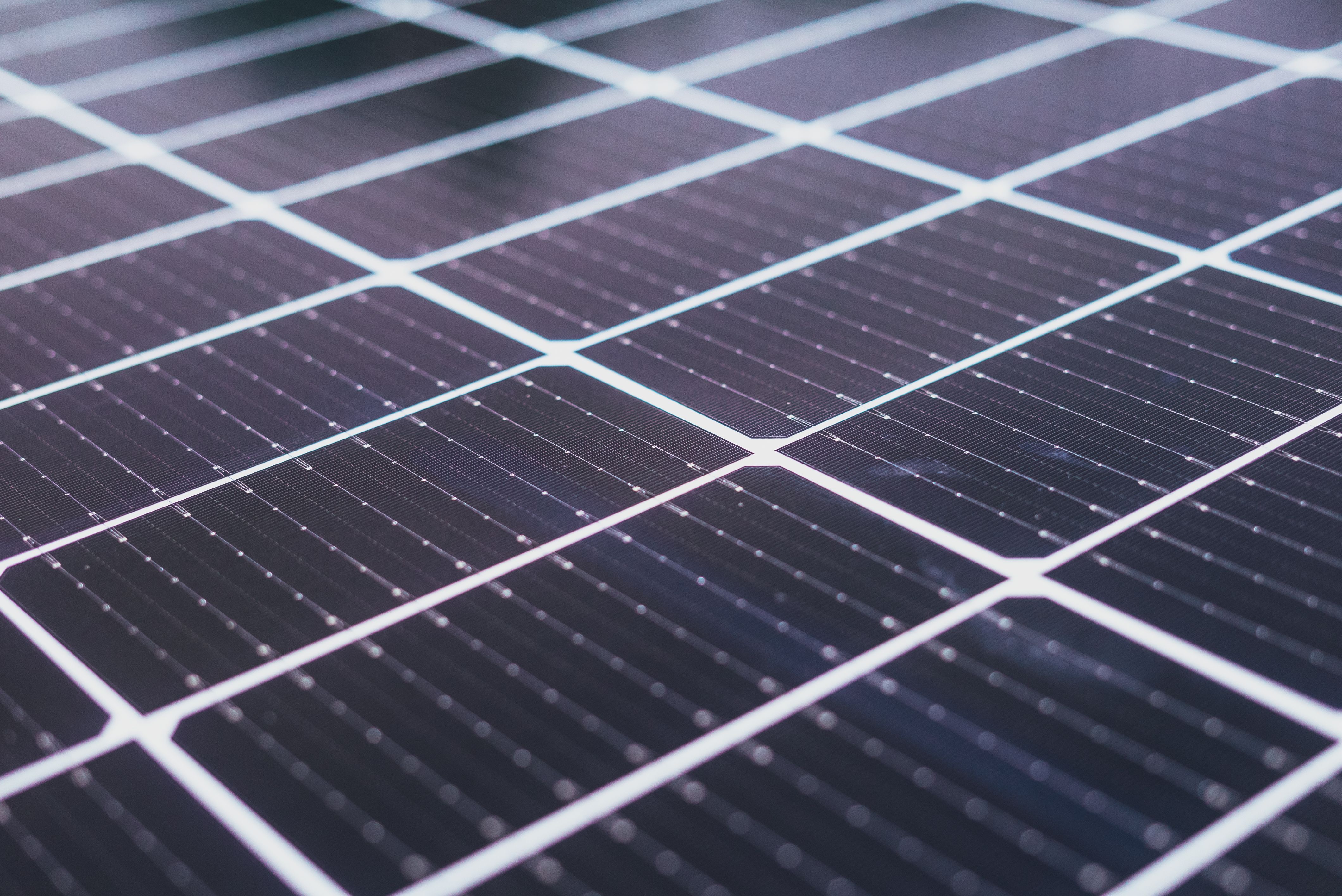
Atomic Summary: Washing panels with standard Pakistani tap water leaves behind a stubborn, chalky white residue (calcium and magnesium deposits) when the water evaporates. Over months, this irreversible calcification permanently blocks sunlight, creates hot spots, and reduces your system's efficiency by up to 20%.
You wake up early on a Sunday morning, grab the garden hose connected to your overhead tank, and spray down your expensive Tier-1 solar panels. You watch the dust wash away, expecting a massive boost in your inverter's daily yield. But a week later, you notice something alarming: the panels look cloudy, almost like they have cataracts. Worse still, your daily generation hasn't improved—in fact, it's getting worse.
In Pakistan, whether you live in Lahore, Karachi, or Islamabad, municipal tap water and groundwater (boring water) are notoriously "hard." This means they contain extremely high levels of dissolved minerals. Pumping this water directly onto your solar array might seem like a quick fix for dust, but it's quietly destroying your multi-million rupee investment.
The Calcification Problem: What is "Hard Water"?
Hard water is water that has a high mineral content, primarily consisting of calcium and magnesium carbonates. When you spray this water onto a flat, hot glass surface (like a solar panel baking under the Pakistani sun), the water evaporates rapidly. The H2O turns into vapor, but the minerals do not evaporate. They are left behind, baked onto the anti-reflective coating of the solar glass.
The Etching Danger: These mineral deposits, often called limescale or calcification, are highly alkaline. If left on the panels for too long, they can chemically react with the glass and literally "etch" into the surface. Once the glass is etched, the damage is permanent and your panel will never operate at 100% capacity again.The "Micro-Shading" Effect
You might think a thin white film is harmless. However, solar panels rely on the maximum possible light transmittance. Calcification acts like thousands of microscopic shadows. Just like macro-shading from trees, this micro-shading forces the bypass diodes to work overtime. The inverter's MPPT struggles to find a stable voltage, and your overall yield plummets.
The Financial Cost of Bad Washing Habits
Let's look at the financial reality. If your system was financed through a Meezan Bank solar loan, your ROI calculations depend on maximum efficiency to offset the massive WAPDA or K-Electric bills. If calcification reduces your efficiency by 15%, how much does that cost you?
| Condition | Daily Generation (10kW) | Monthly Export Value (PKR @ Rs. 65/unit) | Yearly Loss | | :--- | :--- | :--- | :--- | | Clean (Deionized Water) | 45 kWh | Rs. 87,750 | 0 | | Mild Dust (Unwashed) | 40 kWh | Rs. 78,000 | Rs. 117,000 | | Calcified (Tap Water) | 35 kWh | Rs. 68,250 | Rs. 234,000 |By simply using the wrong water, you could be losing almost Rs. 20,000 a month in potential net-metering credits or savings.
How to Properly Wash Solar Panels in Pakistan
To avoid limescale and maximize your power output, you need to adopt professional cleaning habits. Here is the step-by-step guide to doing it right.
1. Time It Right: The Golden Hour
Never wash your panels between 9 AM and 5 PM. The glass will be scorching hot. Spraying cold tap water onto hot glass can cause "thermal shock," instantly shattering the panel. Additionally, the water will evaporate in seconds, giving you no time to wipe it off, thereby guaranteeing severe limescale. Wash them at 6:30 AM before the sun is fully up.
2. Ditch the Soap and Surf Excel
Do not use dish soap, car wash shampoo, or standard clothing detergents. These products leave a sticky chemical residue that acts like a magnet for airborne dust. Your panels will look clean for one day and be completely caked in dirt the next.
3. The Two-Step Squeegee Method
If you *must* use tap water because you have no other option, the absolute rule is: **Do not let it dry naturally.**
- Spray the panel with the hose to loosen the dirt.
- Use a soft-bristle brush on a telescopic pole to scrub away bird droppings.
- Immediately use a high-quality rubber squeegee to pull all the water off the panel before it has a chance to evaporate. This removes the mineral-laden water physically, preventing calcification.
4. The Ultimate Solution: Deionized (DI) Water
Professional solar cleaning companies use Deionized (DI) water systems. These are portable filtration units that strip all minerals from the tap water before it hits the panel. Because DI water is 100% pure, you can spray the panels and simply let them air dry. It will leave zero spots, zero residue, and zero calcification. If you have a massive 20kW+ system, investing in a small DI water filter for your hose is a brilliant long-term investment.
Final Thoughts
Your solar panels are the engine of your home's energy independence. Treat them like the sophisticated technology they are. Keep the tap water off them unless you are prepared to squeegee them dry immediately. For more tips, check our complete guide on how to clean solar panels safely.
Frequently Asked Questions (FAQ)
Can I use surf or dish soap to wash solar panels?
No. Standard detergents like Surf Excel or dish soaps leave a thick, sticky chemical film on the glass. This film actually attracts more dust, meaning your panels will get dirtier much faster.
What is the best time of day to wash solar panels in Pakistan?
Early morning (between 6 AM and 8 AM) is the absolute best time. The panels are cool from the night, so water will not instantly evaporate and cause thermal shock or leave water spots.
How often should I clean my solar panels?
In dusty urban areas like Karachi or Lahore, you should lightly clean them every 2 weeks, and do a deep clean with a squeegee once a month. During the monsoon season, the rain might naturally wash them, but always check for mud buildup.