How to Read Solar Panel Datasheets Like a Pro in Pakistan
By PSI Editorial • June 8, 2026
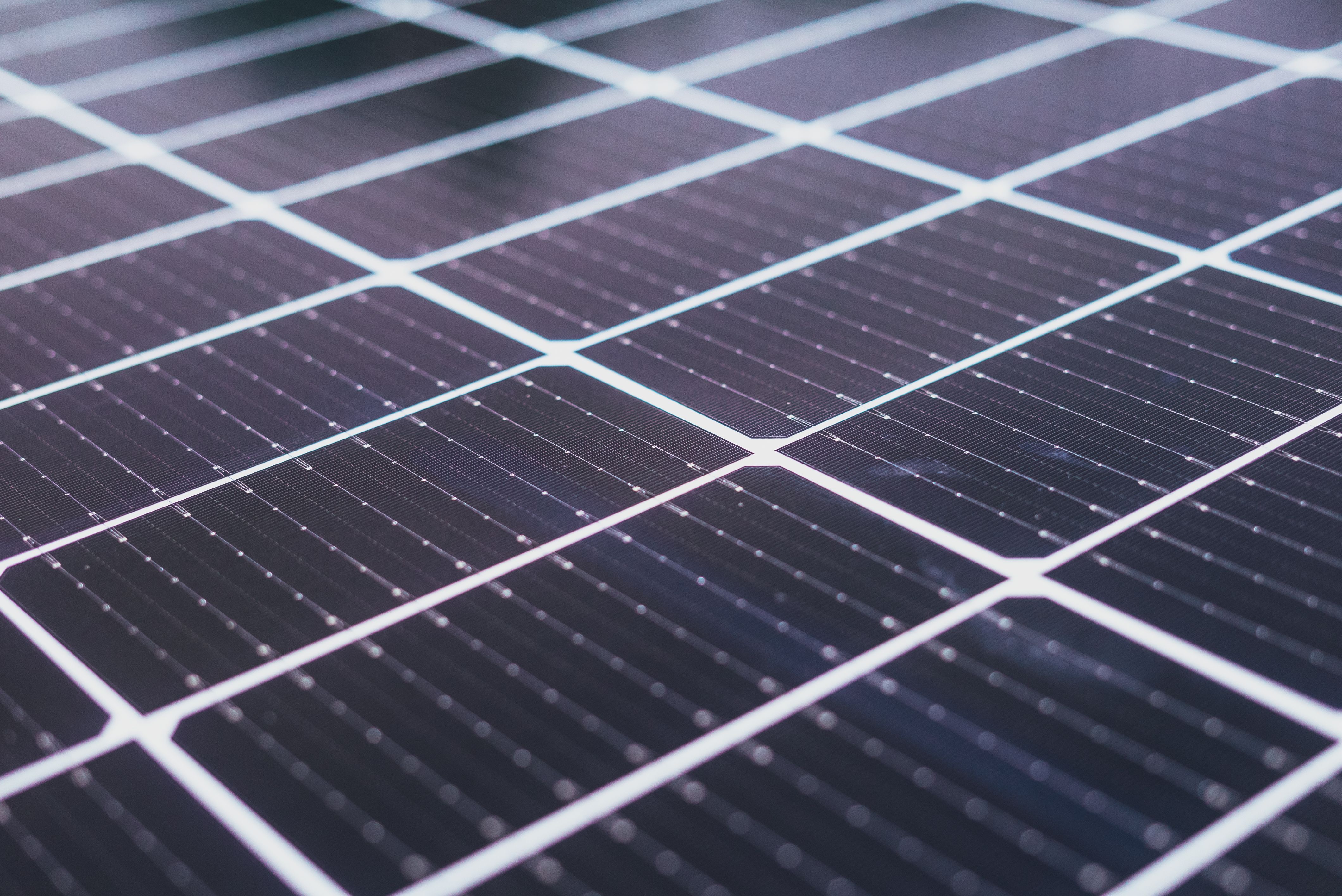
Atomic Summary: The most critical numbers on a solar panel datasheet are Voc (Open Circuit Voltage), which strictly dictates inverter string limits, and the Temperature Coefficient, which dictates power loss during Pakistan's punishing 45°C summers. Never rely solely on the headline Pmax rating, as it reflects artificial laboratory conditions, not real-world performance.
When you sit down with a local solar installer in a bustling market in Lahore or Karachi, they will invariably throw around massive, impressive numbers. "Sir, these are Tier-1 Jinko 580 Watt N-Type panels with 22% efficiency. They are the best on the market!" It sounds fantastic, but those headline marketing numbers are often misleading. The real truth about how a solar panel will actually perform on a scorching rooftop in Pakistan is hidden in the fine print on the technical sticker attached to the back of the panel—the datasheet.
If you do not know how to read and interpret these specific electrical specifications, you are highly susceptible to buying B-grade, relabeled, or electrically mismatched panels that could literally fry your expensive 10kW hybrid inverter. Let us decode the five most important metrics on a solar panel datasheet so you can verify what you are buying.
1. Pmax (Maximum Power) and The STC vs NOCT Deception
The largest, boldest number on the sticker is the Pmax (Maximum Power). If you buy a 550W panel, 550W is the Pmax. But here is the hard truth: you will almost never see your panel produce exactly 550W on your inverter screen.
Why? Because this Pmax rating is measured under STC (Standard Test Conditions). STC is an internationally standardized laboratory environment that assumes a perfect solar cell temperature of exactly 25°C and an irradiance of 1000 W/m². In Pakistan, a dark solar panel baking under the relentless June sun will easily reach a physical surface temperature exceeding 65°C.
To know what your panel will actually produce in the real world, look further down the datasheet for the NOCT (Nominal Operating Cell Temperature) or NMOT rating. NOCT tests the panel at a much more realistic 45°C cell temperature. A panel rated 550W at STC will usually only be rated around 410W to 420W at NOCT. That lower number is your true expected baseline output during a normal sunny day.
2. Voc (Open Circuit Voltage): The Inverter Killer
Voc is arguably the most critical safety and engineering number on the entire sheet. It stands for Open Circuit Voltage. This is the absolute maximum voltage the panel can produce when the sun is shining brightly but no power is actively being drawn (for example, when the inverter is turned off or just waking up at 6:00 AM).
Your solar inverter has a strict maximum DC voltage input limit on its MPPT (Maximum Power Point Tracker). For a standard 5kW inverter, this limit is often 500V. When installers connect panels in a "series string," the voltage of each panel is added together.
- Safe String Design: If you string 8 panels together, each with a Voc of 50V, your total string voltage hits 400V. This is perfectly safe for a 500V inverter.
- Catastrophic Design: If a careless installer strings 12 panels together (12 x 50V = 600V), you have exceeded the inverter's maximum limit. The moment the morning sun hits those panels, the inverter will explode and void your warranty instantly.
Always check the Voc to calculate exactly how many panels you can safely connect in a single series string.
3. Isc (Short Circuit Current) and Imp (Operating Current)
If Voc is about voltage "pressure," Isc (Short Circuit Current) is about the maximum "flow" of amps the panel can push. Like voltage, your inverter has a maximum Amperage limit on its MPPT inputs.
Modern high-wattage panels (like 580W or 600W N-Type TOPCon panels) have very high current ratings, often exceeding 14 Amps. Many older or cheaper inverters (designed 3 to 4 years ago) might have a maximum MPPT current limit of only 13 Amps. If your new panel's Imp (Current at Maximum Power) or Isc exceeds the inverter's MPPT limit, the inverter will digitally "clip" the excess power. You paid for a 600W panel, but the inverter will artificially restrict it to 500W because it cannot physically handle the current.
🚨 ALERT: Always cross-reference your panel's Isc rating with your hybrid inverter's datasheet. Do not let an installer pair high-current 600W panels with an older 13-Amp inverter without expecting massive power clipping.
4. The Temperature Coefficient (Pmax)
In Pakistan, where summer temperatures regularly hit 45°C in the shade, this is the most important long-term performance metric. Solar panels fundamentally hate heat. The hotter the silicon gets, the less efficient it becomes at converting photons into electrons.
The Temperature Coefficient of Pmax tells you exactly how much power you lose for every single degree the panel heats up above the 25°C laboratory baseline. It is always expressed as a negative percentage. Let's look at the difference between two common technologies:
- Older P-Type PERC Panel: Coefficient of -0.35% / °C
- Modern N-Type TOPCon Panel: Coefficient of -0.29% / °C
The Math: If the panel surface hits 65°C on a July afternoon (which is 40 degrees above the 25°C baseline), a P-Type panel will lose 14% of its total generating power (40 * 0.35). Conversely, an N-Type panel will only lose 11.6%. Over a 10kW system, that 2.4% difference equals hundreds of lost watts every single hour during peak summer.
A lower negative number is always vastly superior for hot climates like Pakistan.
5. Module Efficiency (%)
Efficiency measures how much of the sunlight hitting the panel's surface area is successfully converted into electricity. Most modern Tier-1 panels currently range between 21% and 23% efficiency.
There is a common misconception that a higher efficiency panel produces "better" or "cleaner" electricity. This is false. It simply means the panel generates its rated wattage using a smaller physical footprint. If you have a small, cramped roof in a densely populated city, high efficiency is crucial because you need to squeeze as many watts as possible into a limited space. However, if you have unlimited space on an agricultural farm, you can easily buy physically larger, lower-efficiency panels and achieve the exact same total output for less money.
Sample Datasheet Master Comparison
Here is a quick look at how the specs of a standard Tier-1 N-Type TOPCon panel break down:
| Datasheet Metric | Typical Value (580W Panel) | Why it Matters in Pakistan |
|---|---|---|
| Pmax (STC) | 580 W | Theoretical max wattage under lab conditions. |
| Pmax (NOCT) | 436 W | Realistic everyday generation in normal heat. |
| Voc (Open Circuit) | 51.2 V | Max voltage; dictates safe series string limits. |
| Isc (Short Circuit) | 14.3 A | Max current; must not exceed your inverter MPPT limit. |
| Temp Coefficient (Pmax) | -0.29% / °C | Defines power loss in brutal summer heat waves. |
Final Thoughts
Never agree to buy a solar panel without personally inspecting the datasheet sticker on the back. Fake or relabeled B-grade panels in the local market often have generic stickers with perfectly rounded numbers, typos, or missing NOCT data entirely. Always cross-reference the exact numbers on the physical sticker with the official PDF specifications downloaded directly from the manufacturer's global website. For more details on avoiding hardware scams, read our comprehensive guide on how to spot a fake solar panel in Pakistan.
Frequently Asked Questions
What does Voc mean on a solar panel?
Voc stands for Open Circuit Voltage. It is the absolute maximum voltage the panel produces when disconnected from the inverter under bright sunlight. It is the most critical number for ensuring you do not string too many panels together in series, which would overvolt and fry your inverter.
Why does my 550W panel only produce 450W?
The 550W rating is tested under STC (Standard Test Conditions) at exactly 25°C in a temperature-controlled laboratory. In Pakistan's harsh summer heat, panels heat up physically to 60°C or more, triggering the 'temperature coefficient' loss, dropping actual production closer to the NOCT rating.
What is a good Temperature Coefficient for solar panels in Pakistan?
A lower negative number is better. A modern Tier-1 N-Type TOPCon panel might have a coefficient of -0.29%/°C, meaning it loses very little power in heat. Older P-Type PERC panels with -0.35%/°C will lose significantly more total power during July and August afternoons.