Solar Panel Snow Removal & Winter Maintenance Guide Pakistan 2026: Murree, Quetta & GB Care
By PSI Editorial · 14 min read · Updated September 2026
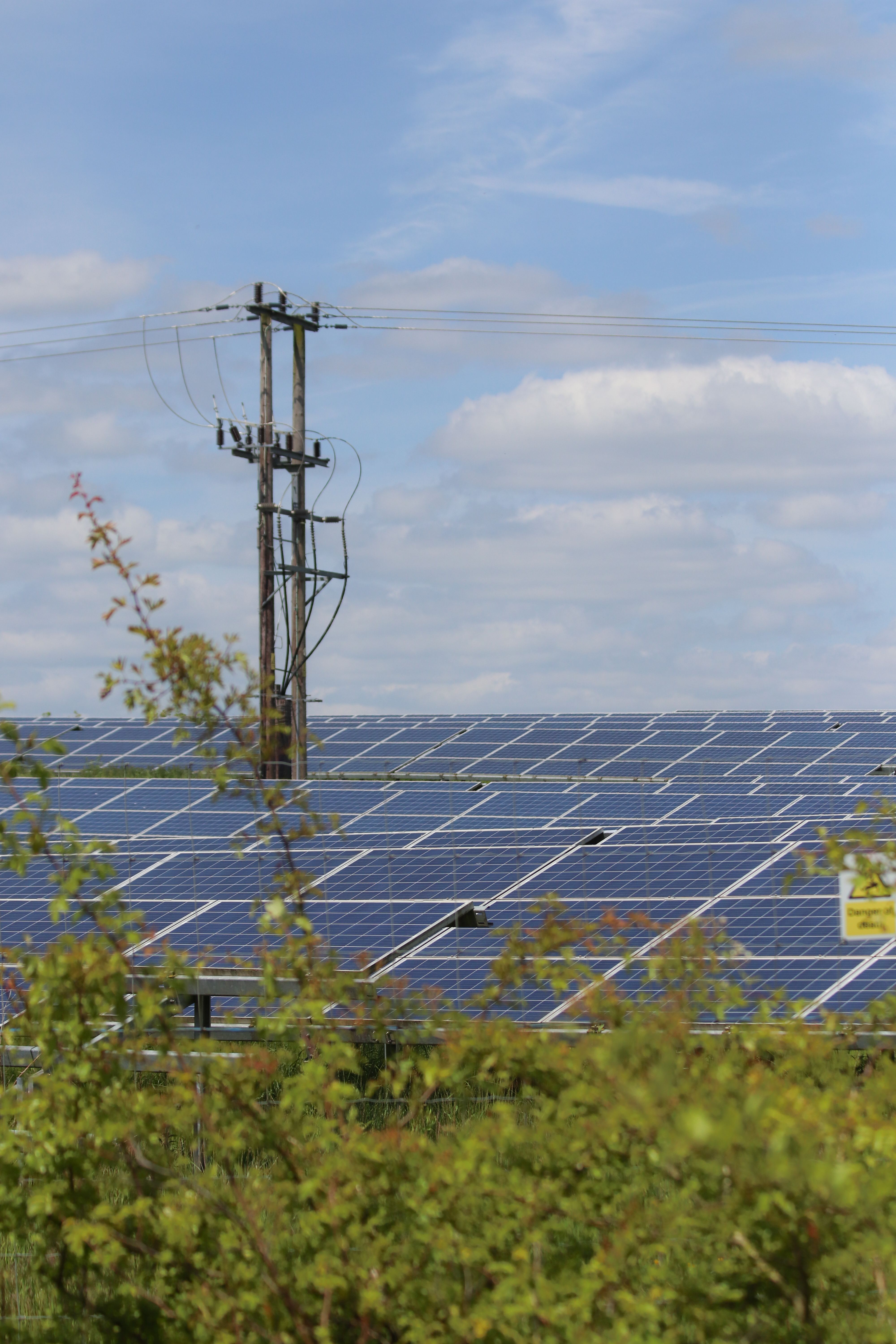
❄️ Winter Solar Rules in Northern Pakistan
- Regions Covered: Quetta, Ziarat, Murree, Galyat, Swat, Kalam, Skardu, Gilgit, Hunza, Chitral.
- The Cold Temperature Advantage: Clear winter cold increases solar voltage (Voc), boosting efficiency by +10% to +15%.
- Steep Winter Tilt Angle: Set structures to 42° to 48° South to allow snow to slide off automatically.
- Bifacial Snow Albedo: White snow reflects up to 85% of ambient light onto the rear face of bifacial modules.
Atomic Summary: In Pakistan's mountainous and cold-climate zones (Quetta, Ziarat, Swat, Murree, Skardu, Gilgit-Baltistan), heavy winter snowfall can temporarily bury solar arrays. However, crystalline silicon solar panels actually perform at peak thermodynamic efficiency in freezing temperatures. Learn how to optimize winter tilt angles, clear snow without scratching glass, and harness the incredible bifacial snow albedo effect.
Why Cold Winter Days Produce Maximum Solar Voltage
A common misconception in Pakistan is that solar panels require heat to generate power. Solar panels operate on photons (light), not ambient heat:
- Negative Temperature Coefficient of Voltage (-0.28%/°C): Standard panels are rated at 25°C. When ambient winter air drops to -5°C (30°C below baseline), cell internal resistance drops. The open-circuit voltage (Voc) increases by approximately 8.4%.
- Crisp Mountain Atmosphere: High-altitude mountain air in Quetta (1,680m) and Skardu (2,230m) has less dust and lower humidity, allowing peak direct solar irradiance (over 1,100 W/m²) to reach the panels on clear winter days.
Optimal Winter Tilt Angles for Snow Shedding in Pakistan
| City / Mountain Region | Average Winter Snowfall | Optimal Winter Tilt Angle | Natural Snow Sliding Behavior |
|---|---|---|---|
| Quetta & Ziarat (Balochistan) | 1 to 3 Feet | 40° – 44° South | Snow slides off within 2–3 hours of morning sun. |
| Murree & Galyat (Punjab/KPK) | 2 to 5 Feet | 42° – 46° South | Steep pitch prevents heavy snow pack accumulation. |
| Swat, Kalam & Malam Jabba | 3 to 6 Feet | 44° – 48° South | Smooth glass allows heavy avalanching shed. |
| Skardu, Gilgit & Hunza (GB) | 2 to 4 Feet | 45° – 50° South | Steep angle captures low winter sun and sheds snow fast. |
The Bifacial Snow Albedo Multiplier (The "Self-Clearing" Effect)
Bifacial solar panels (dual-glass modules) possess an incredible engineering advantage in snowy climates:
- Rear Generation: Fresh white snow has an albedo reflectance of 80% to 90%. Bright sunlight bouncing off the ground strikes the exposed rear face of elevated bifacial panels.
- Self-Heating Thermal Action: As the rear cells generate 50W–100W of electricity, internal electrical resistance gently warms the entire panel by 3°C to 5°C.
- Rapid Snow Avalanche: This warmth creates a microscopic layer of melted water between the front glass and the snow blanket, causing the entire sheet of heavy snow to slide off the steep frame like an avalanche!
Frequently Asked Questions
Can heavy snowfall crack solar panels in Pakistan?
Certified Tier-1 solar panels are built under IEC 61215 standards to withstand a static mechanical load of 5,400 Pascals (approx. 550 kg/m²) on the front glass, which easily supports up to 3 to 4 feet of heavy packed snow without cracking.
Can I use automotive windshield antifreeze spray on solar panels?
NO. Chemical antifreeze formulas contain ethylene glycol and synthetic solvents that leave a sticky residue on the glass and degrade the anti-reflective nano-coating.
Related: Bifacial vs Monofacial Guide · Optimal Tilt Angles · Solar Calculator