What Size Solar System Do I Need for a 2-Ton AC in Pakistan?
By PSI Editorial • June 8, 2026
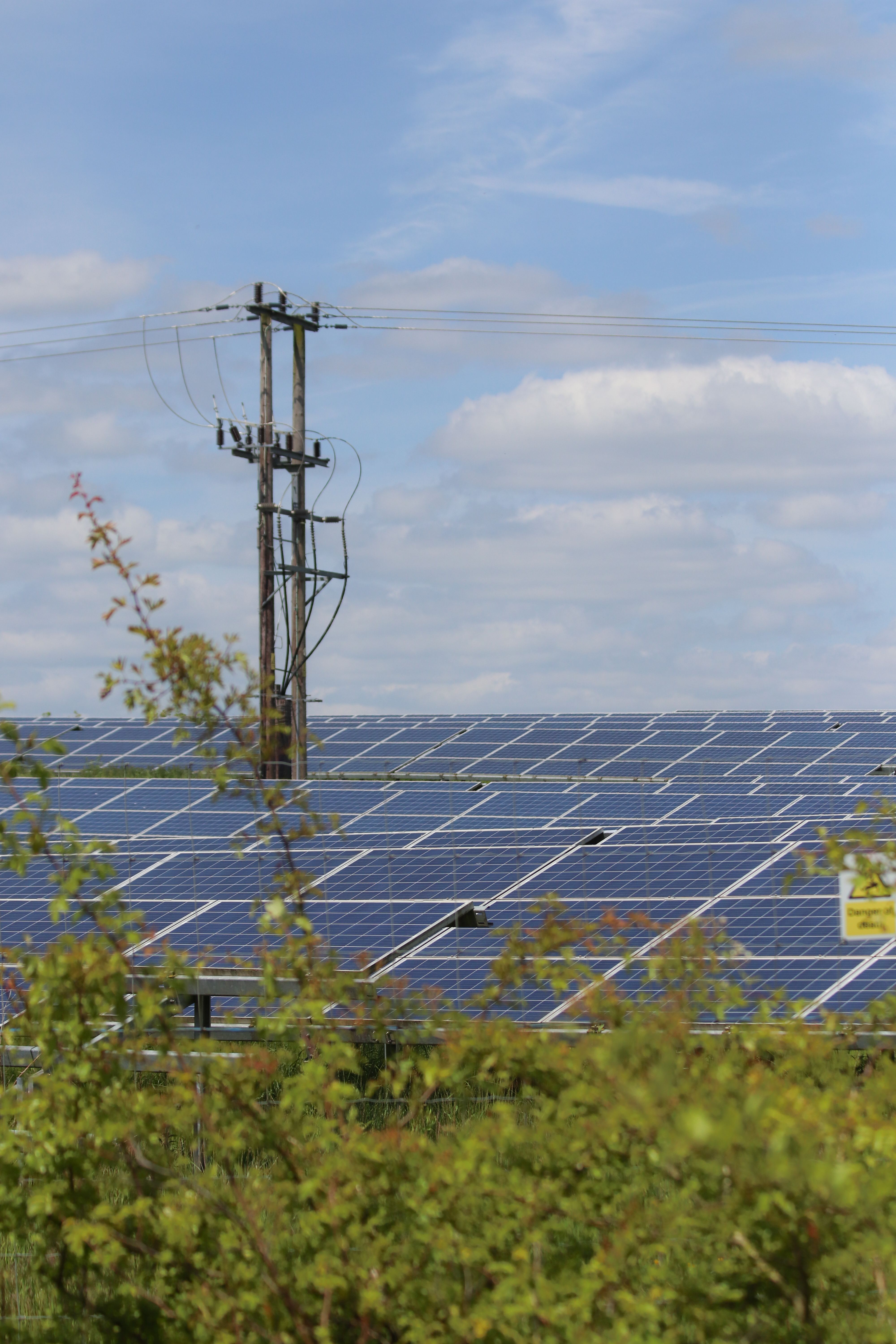
Atomic Summary: To safely run a 2-ton DC inverter AC along with standard household appliances, you need a minimum of a 6kW hybrid inverter paired with 10 to 12 solar panels (550W each). Attempting to run a 2-ton unit on a smaller 3kW or 5kW system will result in frequent overload tripping.
As summer temperatures in Pakistani cities like Lahore, Multan, and Karachi routinely cross 45°C, smaller 1-ton or 1.5-ton ACs often fail to cool large drawing rooms or master bedrooms. A 2-ton AC becomes a necessity. However, when transitioning to solar power to escape crippling WAPDA or K-Electric bills, sizing your system for a heavy 2-ton load requires careful mathematical calculation. If you get the inverter or panel sizing wrong, you will be left sitting in the dark with a tripped system.
The Crucial Difference: Inverter vs. Non-Inverter ACs
Before we calculate the solar requirements, you must identify the type of 2-ton AC you own. This single factor changes the cost of your required solar system by hundreds of thousands of rupees.
1. The Non-Inverter 2-Ton AC (The Grid Hog)
Older, non-inverter ACs operate using an "all or nothing" compressor. When it turns on, it requires a massive surge of electricity—sometimes up to 3 times its running wattage—just to start the motor. A non-inverter 2-ton AC can draw over **3,000W to 3,500W** continuously. **Do not attempt to run a non-inverter AC on a standard home solar system.** You would need an excessively large and expensive industrial-grade inverter just to handle the startup surge.
2. The DC Inverter 2-Ton AC (Solar Friendly)
Modern DC Inverter ACs (like those from Dawlance, Haier, or Kenwood) use variable-speed compressors. They start up slowly, avoiding the massive surge. A typical 2-ton inverter AC pulls around **2,000W to 2,500W** for the first 30 minutes. Once the room reaches the desired temperature (e.g., 26°C), the compressor slows down, dropping its power consumption to around **800W to 1,200W**.
[!TIP] **Upgrade Your AC First:** If you currently have an old non-inverter AC, it is mathematically cheaper to buy a brand new DC Inverter AC *before* buying solar panels. The money you save by buying a smaller solar inverter will more than cover the cost of the new AC.Calculating the Inverter Size
The inverter is the brain of your system. It must be large enough to handle your AC's peak load *plus* everything else running in your house at the same time.
Let's map out a realistic peak daytime load:
- 2-Ton Inverter AC (Startup Phase): 2,500W
- Refrigerator / Deep Freezer: 400W
- 3 Ceiling Fans & LED Lights: 300W
- Water Pump (0.5 HP): 500W
- Total Peak Load: 3,700 Watts
While a 5kW inverter technically supports 5,000W, it is extremely bad practice to run an inverter at more than 80% of its maximum capacity for extended periods. Doing so causes the internal components to overheat, shortening its lifespan. Therefore, for a peak load of 3,700W, the absolute minimum recommended inverter size is **6kW**. If you plan to run two ACs, you must look at our 10kW system guide.
Sizing the Solar Panels
Now that we know the inverter size, how many panels do we need to generate that power?
Let's assume you are using modern 550W Tier-1 panels (like Longi, Jinko, or Canadian Solar). Due to dust, heat, and wire resistance in Pakistan, a 550W panel will rarely give you exactly 550W. A safe real-world estimate is about 450W per panel during peak sunlight hours (11 AM to 3 PM).
| Goal | Required Power | Number of 550W Panels Needed | |---|---|---| | **Run AC + Home (Daytime Only)** | ~4,000W | 8 to 10 Panels | | **Run AC + Home + Charge Batteries** | ~6,000W | 12 Panels |If you want to run your 2-ton AC during WAPDA load-shedding at night, you must have enough excess solar power during the day to fully charge your lithium-ion batteries. Therefore, a **10 to 12 panel array (approx. 5.5kW to 6.6kW of total solar capacity)** is the standard recommendation.
Battery Requirements for Nighttime AC Usage
Running a heavy 2-ton AC purely on battery power at night is expensive. Lead-acid or tubular batteries (like standard Exide or Osaka tall tubulars) are not designed for rapid, heavy discharges and will degrade within a year if used to power an AC.
You must use **Lithium Iron Phosphate (LiFePO4)** batteries. To comfortably run a 2-ton inverter AC for 3 to 4 hours during evening load-shedding, you need a minimum of a **48V 100Ah (approx. 5kWh) lithium battery bank**. If you intend to run it all night off-grid, you will need at least double that capacity (10kWh), which drastically increases the initial capital cost.
[!WARNING] **The Zero-Export Trap:** If you install this large system but cannot secure a green net meter, any excess power generated during the day will be wasted. Read our guide on installing solar without net metering to understand how to manage this scenario using Zero-Export limits.Conclusion
A 2-ton AC is a massive load. Do not let dishonest installers sell you an undersized 3kW or 5kW system just to give you a cheaper quote. It will result in continuous frustration, overload alarms, and potential damage to your expensive appliances. Invest properly in a **6kW Hybrid Inverter, 12 Tier-1 Panels, and a 5kWh Lithium Battery**, and you will enjoy a perfectly chilled drawing room even during the worst K-Electric or WAPDA outages.
Frequently Asked Questions
Can a 3kW solar system run a 2-ton AC?
No. A 3kW inverter is too small to handle the 2500W starting surge of a 2-ton AC alongside your other household loads like fridges and fans. It will frequently trip on overload.
How many solar panels are needed for a 2-ton AC?
You will need at least 10 to 12 Tier-1 solar panels (550W each) to generate enough power to run the AC and charge your batteries simultaneously during the day.
Should I use a non-inverter AC on solar?
Never. A non-inverter 2-ton AC constantly pulls over 3000W and has a massive startup surge. Always upgrade to a DC Inverter AC before switching to solar to save money on the system size.