How to Claim Income Tax Rebate on Solar in Pakistan (2026 Guide)
By PSI Editorial • June 8, 2026
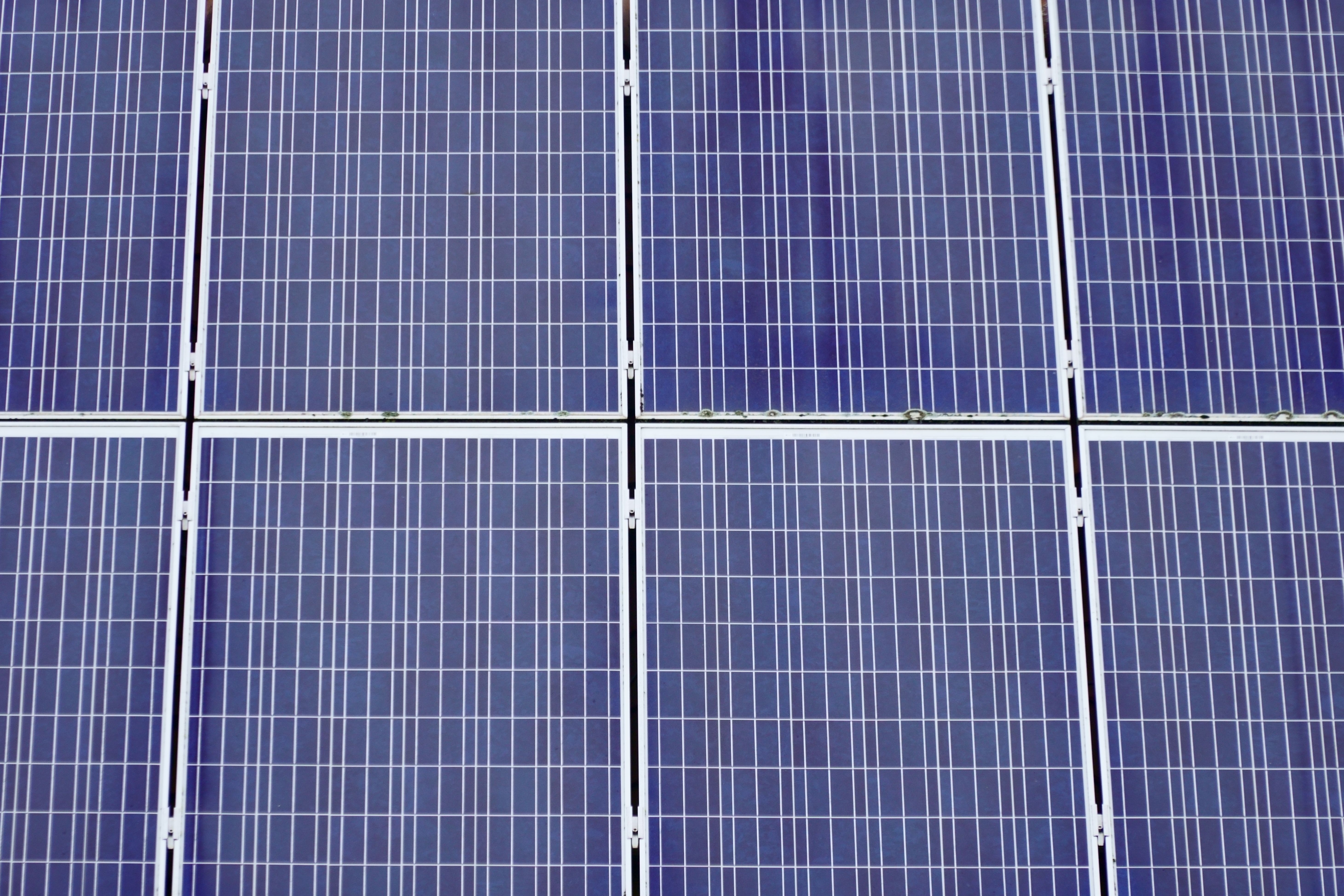
Atomic Summary: As of mid-2026, the FBR does not offer direct income tax rebates for residential solar installations. Instead, the focus has shifted toward net billing policies and potential new taxes like an 18% GST. However, subsidized bank financing through Meezan Bank or SBP schemes remains the best financial tool.
Installing a solar system in Pakistan—whether a modest 5kW setup with a Growatt inverter or a massive 15kW system utilizing Tier-1 Longi panels—is a massive capital expense. Naturally, homeowners and business owners want to know: Can I claim a tax rebate on my income tax return for going green?
In the past, the Federal Board of Revenue (FBR) and the Government of Pakistan explored various financial incentives to ease the burden on the national grid (WAPDA, K-Electric, LESCO, etc.). But as of 2026, the landscape has drastically changed. Let us break down the exact financial, tax, and policy situation regarding solar in Pakistan today.
The Current FBR Tax Landscape for Solar (2026)
Unfortunately, the era of direct income tax deductions for installing renewable energy at home is currently inactive. Active taxpayers (those on the Active Taxpayers List - ATL) cannot simply deduct a percentage of their solar equipment invoice from their annual tax liability.
Warning: Always ensure you are working with an active tax filer and registered solar installer. Even if direct rebates are inactive, maintaining proper documentation (sales tax invoices with NTN) is crucial if the government introduces retroactive relief or if FBR audits your assets.
Instead of offering rebates, the recent narrative in the federal budget has been quite the opposite. There is an ongoing, heated debate about imposing an 18% General Sales Tax (GST) on solar panels and related equipment (like hybrid inverters and lithium batteries). The Pakistan Solar Association (PSA) has aggressively lobbied against this, arguing that taxing solar will cripple the transition away from expensive imported fossil fuels.
The Shift from Net Metering to Net Billing
Aside from FBR taxes, the way you earn money back from the grid has changed. Historically, net metering allowed you to trade units 1-to-1 with DISCOs (like LESCO or K-Electric) during off-peak hours.
Now, the government has transitioned toward a Net Billing model. Under this framework, you sell your excess solar energy to the grid at a fixed, lower wholesale rate (the National Average Power Purchase Price), but you buy electricity from the grid at the full retail rate (which includes taxes, fuel price adjustments, and surcharges). This significantly extends the ROI period for solar systems.
Step-by-Step: Maximizing Your Financial Returns Without a Tax Rebate
Since the FBR won't hand you a direct rebate, you must use smart financial structuring to lower your upfront burden and maximize ROI.
Step 1: Utilize Subsidized Financing
Instead of paying PKR 1.5 Million upfront in cash, use specialized bank financing. Institutions like Meezan Bank offer "Meezan Solar" under the State Bank of Pakistan's (SBP) renewable energy financing scheme. This allows you to pay in installments over 3 to 5 years at a markup rate that is often lower than standard personal loans.
Step 2: Optimize Self-Consumption
With the shift to Net Billing, exporting units to the grid is no longer lucrative. You should size your system to match your daytime consumption exactly, or invest in a hybrid setup with lithium iron phosphate (LiFePO4) batteries to store excess daytime energy for nighttime use.
Step 3: Keep Proper Documentation
Even though there is no direct income tax rebate, the source of funds for a massive purchase like a solar system must be justifiable to the FBR. When you file your annual wealth statement, you must declare the solar asset. Ensure your installer provides a proper commercial invoice reflecting their NTN and STRN to prevent any audit issues.
Comparative Financial Impact (2026 Estimates)
Here is a breakdown of how the changing policies affect a standard 10kW residential system in Pakistan:
| Financial Factor | Previous Era (2022-2024) | Current Era (2026) |
|---|---|---|
| Income Tax Rebate | Occasionally active / Discussed | Inactive |
| Grid Export Model | Net Metering (1-to-1 unit exchange) | Net Billing (Buy high, sell low) |
| Sales Tax on Equipment | Mostly Exempt (0%) | Proposed 18% GST under discussion |
| Provincial Electricity Duty | Exempt for residential | Punjab imposing duty on systems > 500kVA |
Final Verdict
Do not wait for a magical FBR tax rebate to install solar in Pakistan. Between the depreciating PKR, skyrocketing base tariffs from WAPDA, and the threat of an 18% GST being imposed on equipment, the best time to install solar was yesterday; the second best time is today.
To learn about other financial incentives, read our guide on government solar subsidies.
Frequently Asked Questions (FAQs)
Is there a tax rebate for solar panels in Pakistan in 2026?
Currently, the Federal Board of Revenue (FBR) does not offer a direct income tax rebate for residential solar installations. Historically, some incentives existed, but recent budget discussions are leaning towards taxation rather than rebates.
Will the government impose an 18% GST on solar panels?
There has been significant discussion and opposition regarding a proposed 18% General Sales Tax (GST) on solar equipment in the FY2026-27 federal budget. While opposed by the Pakistan Solar Association, buyers should be aware that policy can shift rapidly.
What financing options are available if I cannot get a tax rebate?
Banks like Meezan Bank and Allied Bank offer specialized Islamic financing schemes (like Meezan Solar) that allow homeowners to pay for solar systems in installments over 1 to 5 years, often at rates subsidized by the State Bank of Pakistan.