Do I Need to Earth My Solar Panels? Pakistan 2026 Guide
By PSI Editorial • June 8, 2026
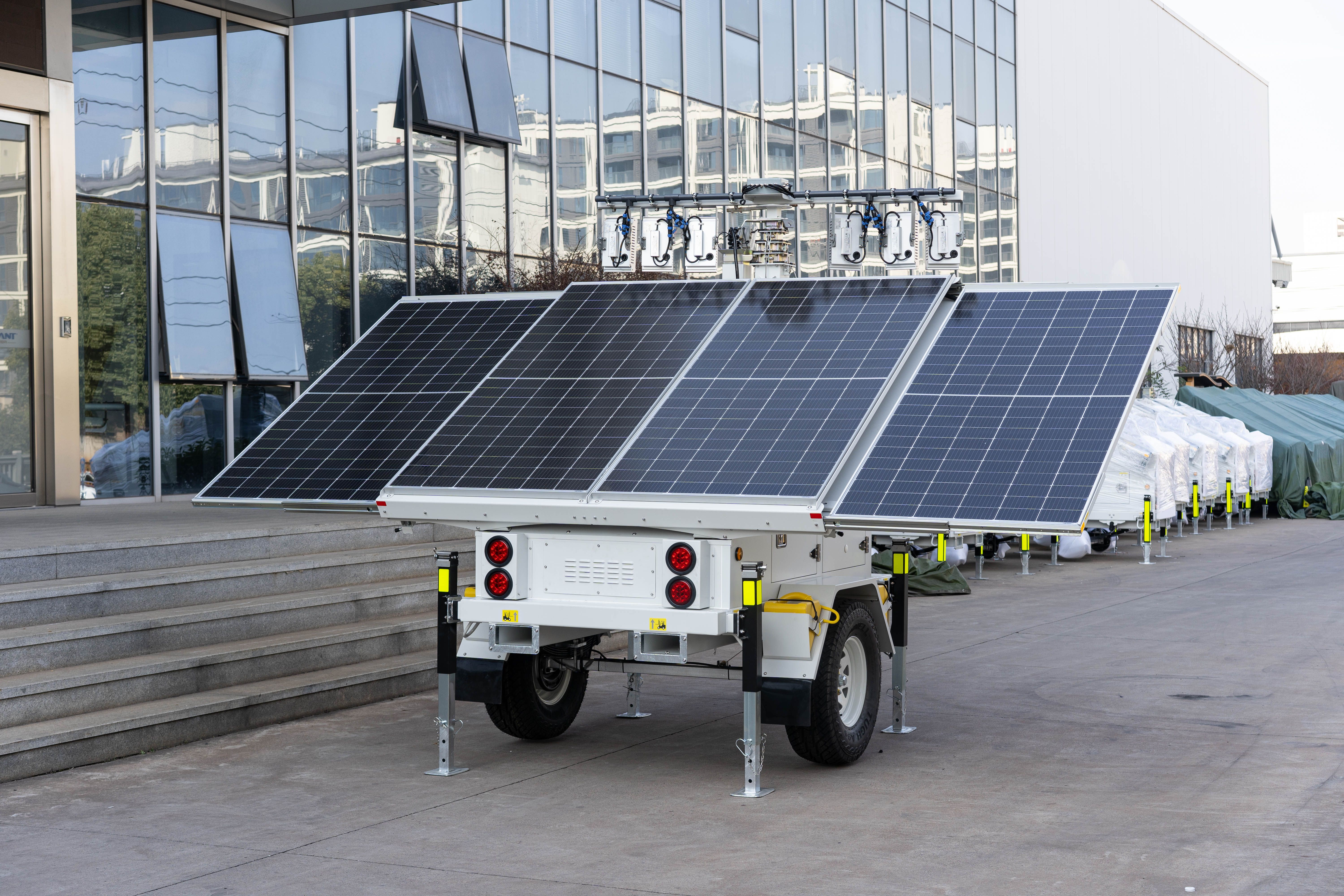
Atomic Summary: No, your existing house earth is never enough. A proper Tier-1 solar installation in Pakistan requires three separate, deeply bored copper earthing pits: one for the DC side (panel frames and structure), one for the AC side (inverter output), and one dedicated exclusively to the lightning arrester. Utilizing a single shared house ground poses severe safety risks, including fatal electric shocks, inverter damage, and high-voltage surges that can destroy household appliances.
When installing a solar energy system in Pakistan, homeowners focus on panels and hybrid inverters. However, the most critical safety system lies underground: the earthing network. Earthing, or grounding, creates a safe, low-resistance path for fault currents to discharge directly into the ground. Solar systems are exposed to several electrical hazards. If a live wire inside a solar panel or inverter gets damaged and touches the metal frame, the frame becomes energized. Without earthing, touching this frame results in a lethal shock. Additionally, panels accumulate static charge and leakage currents from the high-voltage DC wiring. In Pakistan's urban centers like Lahore, Karachi, and Islamabad, grid fluctuations make reliable grounding essential to protect sensitive electronics.
Why a Single Shared House Earth Fails
Many local installers claim the existing house earth is sufficient. This is a dangerous misconception. Domestic earthing in Pakistan is frequently outdated, poorly maintained, or non-existent. Over time, the soil around old house ground rods dries out, increasing resistance. If a DC-side fault occurs on the solar array structure and it is connected to the house earth, high-voltage DC can travel back into your home wiring, bypassing domestic breakers and destroying appliances like LED TVs, refrigerators, and inverter AC units. Most importantly, combining a lightning arrester down-conductor with your house earth is disastrous; a lightning strike will feed millions of volts directly into your home grid, causing appliance explosions and starting fires.
The Three-Pit Architecture Explained
To achieve a standard-compliant solar installation, three separate, isolated earthing pits must be constructed. Each pit serves a distinct purpose and is isolated from the others by a physical distance of at least 10 to 15 feet to prevent cross-conductivity. The three pits are:
- DC Earthing Pit (Structure and Panel Frames): Connects directly to the mounting structures and the metal frames of the solar panels to protect anyone on the roof from static shocks or ground faults.
- AC Earthing Pit (Inverter and DB Box): Connects to the ground terminal of your solar inverter and the AC distribution box to ensure internal inverter faults or grid surges are safely discharged. To learn more about protecting your inverter from grid instability, read our guide on how to protect solar inverter from power surge.
- Lightning Arrester Pit: Reserved exclusively for the lightning arrester. The down-conductor must bypass the inverter and house wiring entirely, heading straight into its own dedicated pit. For lightning protection details, read about lightning protection.
The following table summarizes the specifications for a proper three-pit earthing system in Pakistan:
| Pit Type | What It Protects | Typical Depth (Feet) | Target Resistance | Approximate PKR Cost |
|---|---|---|---|---|
| DC Side (Panel Frames) | Human life from structural shocks and static buildup | 30 to 50 feet | Less than 5 Ohms | PKR 25,000 to PKR 35,000 |
| AC Side (Inverter Output) | Inverter circuit boards and household appliances | 30 to 50 feet | Less than 2 Ohms | PKR 25,000 to PKR 35,000 |
| Lightning Arrester (Dedicated) | Solar array, roof structure, and entire building | 40 to 60 feet | Less than 5 Ohms | PKR 35,000 to PKR 45,000 |
How a Proper Solar Earthing Pit is Constructed in Pakistan
Building a reliable earthing pit in Pakistan requires boring 30 to 50 feet deep down to permanently moist soil in regions like Lahore, Islamabad, and Multan. In coastal areas like Karachi, moisture is closer to the surface, but high salinity accelerates corrosion. A copper-bonded steel rod (at least 10 feet long and 0.75 inches thick) or a solid copper plate is lowered into the bottom. The bore is backfilled with conductivity-enhancing compounds. Traditional coal and salt mixtures are discouraged as salt washes away and corrodes copper over time; modern installers prefer stable bentonite clay or chemical grounding compounds. For wiring, the lightning arrester requires a heavy-gauge copper wire (minimum 25 square millimeters), while the DC structure can use Galvanized Iron (GI) strips to manage cost. Avoid poor-quality wiring to prevent the dangers of cheap solar wires.
Target Earth Resistance and How to Test It
The performance of an earthing system is measured by its electrical resistance, calculated in Ohms. For solar installations in Pakistan, the AC inverter earth resistance must be less than 2 Ohms, and the DC structure and lightning arrester earth resistance must be less than 5 Ohms. Testing this resistance cannot be done with a standard digital multimeter. It requires a specialized Earth Resistance Tester, or Earth Megger. The testing team uses the fall-of-potential method, driving two auxiliary metal stakes into the ground at specific distances (usually 30 feet and 60 feet from the earthing pit) to measure the voltage drop. Professional solar companies will always provide a digital testing report with photographs of the resistance reading.
Environmental Factors: Monsoons and Dry Soil in Pakistan
The diverse climate of Pakistan directly affects earth resistance. During dry, hot summers (exceeding 45 degrees Celsius in Punjab and Sindh), shallow soil dries out, causing resistance to spike, which leads to inverter earth faults. Conversely, the monsoon season saturates the ground, lowering resistance, but can wash away salt in traditional pits. Annual checks before summer are recommended, along with regular watering of the pits.
Warning Signs of Poor Solar Earthing
If your solar installation team cut corners on earthing, your system will eventually show warning signs. Homeowners should look out for these indicators:
- Tingling Sensation on Metal Surfaces: Mild electric shocks when touching the solar panel structure, inverter casing, or home appliances, indicating that leakage current is not being safely discharged.
- Inverter Earth Fault Errors: Inverters displaying error codes like Earth Fault, Isolation Fault, or RCMU Error and halting power generation due to high ground resistance.
- Frequent Breaker Tripping: AC breakers or DC fuses tripping frequently without any obvious overload due to leakage currents seeking a ground path.
How to Verify Your Solar Earthing is Done Right
To ensure your home and solar investment are fully protected, follow this verification checklist with your solar installation team:
- Verify three physical bores: Ensure you can physically see three separate earthing caps or access points on your property.
- Measure the physical distance: Verify that the lightning arrester pit is located at least 15 feet away from the DC and AC pits.
- Inspect the testing equipment: Ask the installer to show you the Earth Resistance Tester and explain the reading. Demand a resistance reading of less than 2 Ohms for the AC pit and less than 5 Ohms for the DC and lightning pits.
- Check the down-conductor path: Ensure the lightning down-conductor is insulated and runs directly down the side of the house without touching windows, balconies, or the solar panels.
- Request a layout diagram: A certified installer should provide an As-Built drawing showing the exact location and depth of all three pits.
Total System Costs and Professional Caveat
A proper three-pit earthing system represents an additional cost, but it is a fraction of the total price of a solar system. In Pakistan, the total cost for three proper earthing pits ranges from PKR 85,000 to PKR 115,000. This cost includes mechanical boring labor, copper rods or plates, charcoal or chemical grounding compounds, copper cables, conduit pipes, and professional testing. A dedicated lightning arrester pit usually costs slightly more due to the requirement for thicker copper down-conductors.
Safety Warning: Solar earthing involves high-voltage DC and AC wiring, deep drilling, and precise testing. Never attempt to build or test an earthing pit yourself. Always hire a certified solar installer or a licensed electrician with experience in solar safety standards to carry out the installation and testing.
Frequently Asked Questions
Can I use my existing house earthing for my solar panel system?
No, you cannot use your existing house earthing. Standard domestic earthing in Pakistan is designed for basic home appliances and is often degraded. Connecting your solar array or lightning arrester to it can back-feed high-voltage surges directly into your home network, destroying electronics and creating fatal shock hazards.
How many earthing pits are required for a standard solar installation?
A standard, safe solar installation requires three separate earthing pits: one for the DC structure (solar panel frames), one for the AC side (inverter ground), and a dedicated third pit for the lightning arrester. They must be physically separated by at least 10 to 15 feet to prevent electrical surges from crossing over.
What is the typical cost of building a 3-pit earthing system in Pakistan?
The typical cost for a complete three-pit earthing system in Pakistan ranges between PKR 85,000 and PKR 115,000. This includes boring down 30 to 50 feet, copper rods or plates, charcoal or chemical grounding compounds, insulated heavy-gauge copper wiring, and professional resistance testing.
What should the target earth resistance be and how is it tested?
The AC inverter ground must measure less than 2 Ohms, and the DC structure and lightning pits must measure less than 5 Ohms. Resistance is tested using a specialized three-pin Earth Resistance Tester (Earth Megger) via the fall-of-potential method, not a standard digital multimeter.
How does the weather in Pakistan affect solar earthing system resistance?
Extreme dry heat (above 45 degrees Celsius) in Pakistani summers dries out the soil, raising resistance and causing inverter earth faults. Heavy monsoons saturate the soil, temporarily lowering resistance, but can wash away traditional salt and charcoal backfills. Chemical grounding compounds are recommended to maintain stable resistance.