How to Protect Your Solar Inverter from Power Surges in Pakistan
By PSI Editorial • June 10, 2026
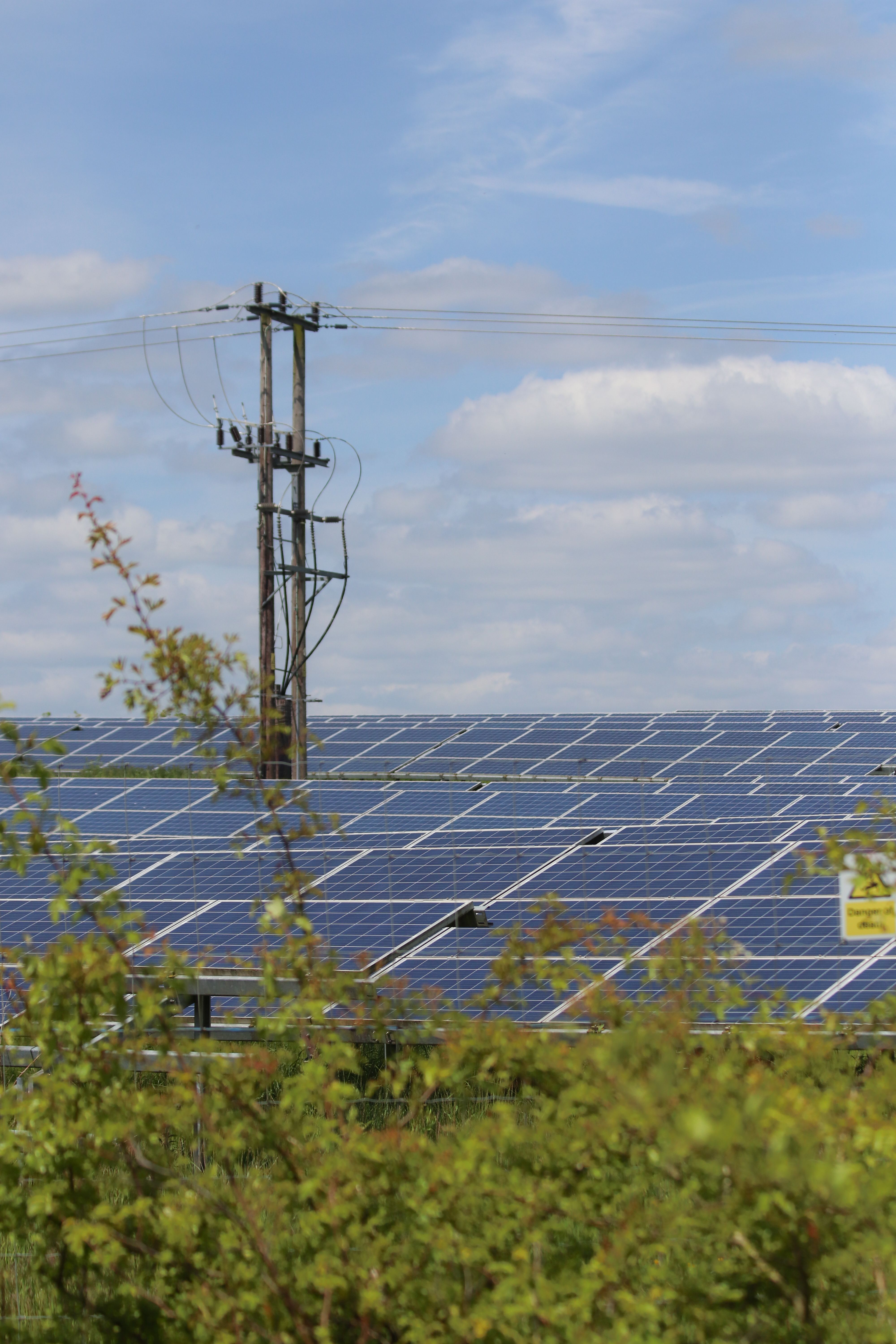
Atomic Summary: Protecting your solar inverter from power surges requires three layers of defense: Type 2 Surge Protection Devices (SPDs) on both AC and DC sides, a properly constructed earthing system with below 5 ohm resistance, and DC-rated gPV fuses paired with MCBs. Without all three, a single lightning strike or WAPDA voltage spike can destroy an inverter worth PKR 100,000 to 300,000.
If you live in Pakistan, your solar inverter faces threats that installers in Europe or Australia never worry about. WAPDA and K-Electric grids are infamous for voltage fluctuations ranging from 150V to 280V, frequent power outages that cause voltage spikes on restoration, and thunderstorms that send lightning-induced surges through both the grid and your panel wiring. This guide covers every protection measure you need.
Understanding the Three Types of Surges
Not all surges are the same, and each requires a different protection strategy:
| Surge Type | Source | Voltage Level | Duration | Damage Risk |
|---|---|---|---|---|
| Grid Switching Surge | WAPDA/K-Electric load shedding restoration | 300V to 450V | Milliseconds | Moderate |
| Lightning Indirect Strike | Nearby lightning inducing current in wiring | 1,000V to 6,000V | Microseconds | Very High |
| Lightning Direct Strike | Lightning hitting panels, structure, or nearby pole | 10,000V+ | Microseconds | Catastrophic |
The most common scenario in Pakistan is the grid switching surge. Every time WAPDA restores power after a load shedding cycle, a voltage spike travels through the grid. During peak summer when load shedding cycles can hit 6 to 12 hours daily, your inverter faces multiple surges every single day.
Layer 1: Surge Protection Devices (SPDs)
SPDs are the first line of defense. They work by detecting excess voltage and diverting it harmlessly to the earth. You need SPDs on both the AC side (grid connection) and the DC side (panel wiring).
DC Side SPD Selection
Alert: Never use an AC-rated SPD on your DC circuit. AC SPDs rely on the zero-crossing of alternating current to extinguish internal arcs. DC has no zero-crossing, so an AC SPD on a DC line can catch fire.
- Type 2 SPD: Sufficient for most residential rooftop systems in urban areas
- Type 1+2 Combined SPD: Recommended for high-lightning-risk areas (KPK, Gilgit-Baltistan, northern Punjab hills, or any rooftop system with panels as the highest point on the building)
- Voltage rating: The SPD's maximum continuous operating voltage (Uc) must be at least 1.1 times the open-circuit voltage (Voc) of your string at the coldest expected temperature
AC Side SPD Selection
- Install a Type 2 SPD between the inverter AC output and the main distribution board
- Rating should match your grid voltage: 275V Uc for single-phase systems, 440V Uc for three-phase systems
- Always install a backup fuse (gG type) ahead of the SPD to isolate it safely if it fails
SPD Placement Guide
| SPD Location | Type | Rating | Estimated Cost (PKR) |
|---|---|---|---|
| DC Combiner Box (array side) | Type 2 DC | 1,000V DC or higher | 3,000 to 6,000 |
| Inverter DC Input (if cable run exceeds 10m) | Type 2 DC | Match string Voc x 1.1 | 3,000 to 6,000 |
| Inverter AC Output | Type 2 AC | 275V (1-phase) / 440V (3-phase) | 2,500 to 5,000 |
| Main Distribution Board | Type 2 AC | 275V / 440V | 2,500 to 5,000 |
Layer 2: Proper Earthing and Grounding
An SPD is useless without proper earthing. The SPD diverts excess voltage to earth, but if your earth resistance is too high, the voltage has nowhere to go and damages your equipment anyway. Many budget installers in Pakistan skip the earthing pit or install a substandard one to save PKR 5,000 to 10,000. This single shortcut puts your entire PKR 500,000 to 1,500,000 system at risk.
Earthing Requirements for Solar Systems
- Earth rod: Use a copper-bonded earth rod (minimum 8 feet long, 14mm diameter). Drive it into moist soil at least 6 to 8 feet deep.
- Earth resistance target: Below 5 ohms for safety earthing. Below 1 ohm for dedicated lightning protection earthing.
- Soil treatment: In dry or rocky soil (common across Punjab and Sindh), pack bentonite-based earthing compound around the rod. This absorbs moisture and dramatically reduces resistivity.
- Conductor size: Use minimum 10mm² bare copper conductor from the earth bar to the earth rod. Never use aluminum for earthing.
- Equipotential bonding: Connect all metallic components (panel frames, mounting structure, inverter chassis, DC combiner box) to a common earth bar using separate conductors.
- Separation: If you have both safety earthing and lightning protection earthing, maintain at least 10 feet separation between the two earth pits to prevent cross-interference.
Alert: Ask your installer to perform an earth resistance test with a proper earth resistance tester (not just a multimeter) after installation. Get the reading in writing. This is also required for net metering approval by your local DISCO.
Layer 3: Circuit Protection (MCBs and Fuses)
Beyond SPDs and earthing, your system needs proper circuit protection to isolate faults before they cascade:
- DC MCB/Breaker: Installed between panels and inverter. Must be DC-rated (not an AC breaker repurposed). Rated for the string voltage and current.
- AC MCB: Installed between inverter output and distribution board. Sized to match inverter output current.
- AC Isolator Switch: Allows complete disconnection of the inverter from the grid for maintenance or emergencies.
- DC gPV Fuses: Paired with DC SPDs to prevent fire if the SPD fails short-circuit. These are specifically rated for photovoltaic systems.
Additional Protection for Extreme Grid Instability
Automatic Voltage Stabilizer
If your area experiences chronic under-voltage (below 180V) or over-voltage (above 260V) from WAPDA, consider installing a servo-controlled automatic voltage stabilizer on the AC input to your home. While most quality inverters from Solis, Growatt, and Huawei have built-in voltage windows (typically 170V to 280V), a stabilizer provides an additional buffer and protects all connected electronics, not just the inverter.
Lightning Arrestor
For homes in lightning-prone areas (northern Punjab, KPK, Azad Kashmir), install a Franklin rod lightning arrestor on the highest point of your building. This provides a preferential path for direct lightning strikes, preventing current from flowing through your panel wiring. The arrestor must have its own dedicated earth pit separate from the system earthing.
What Happens When You Skip Protection
Here is the cost of replacing components damaged by surges in Pakistan (mid-2026 prices):
| Damaged Component | Replacement Cost (PKR) | Protection Cost (PKR) |
|---|---|---|
| 5kW Hybrid Inverter (Growatt/Solis) | 120,000 to 180,000 | SPDs: 12,000 to 22,000 |
| 10kW Hybrid Inverter (Huawei/Solis) | 200,000 to 350,000 | Earthing pit: 8,000 to 15,000 |
| MPPT Board (inverter internal) | 25,000 to 60,000 | MCBs and fuses: 5,000 to 10,000 |
| Monitoring/WiFi Board | 8,000 to 15,000 | Total protection: 25,000 to 47,000 |
The total cost of proper surge protection (PKR 25,000 to 47,000) is a fraction of a single inverter replacement. It is not optional; it is essential insurance.
Conclusion
In Pakistan's volatile grid environment, surge protection is not a luxury but a necessity. The three layers of defense, SPDs on both AC and DC sides, proper below-5-ohm earthing, and correctly rated MCBs/fuses, work together to keep your inverter safe. If your current installation is missing any of these, contact a qualified electrician immediately. Do not wait for the next thunderstorm or WAPDA restoration spike to learn this lesson the expensive way. For more on protecting your complete system from weather, see our guide on protecting solar panels from hail and storms.
Frequently Asked Questions
Can I use a regular UPS surge protector for my solar inverter?
No. Regular UPS surge protectors are rated for small electronics. Solar inverters need industrial-grade Type 2 Surge Protection Devices (SPDs) on both the AC and DC sides, each rated for the specific voltage of your system. A household surge strip cannot handle the energy levels involved in grid surges or lightning-induced transients.
How deep should the earthing pit be for a solar system in Pakistan?
The earthing pit should be at least 6 to 8 feet deep with a copper-bonded earth rod. In dry or rocky soil common in Punjab and Sindh, use bentonite-based earthing compound around the rod to reduce soil resistivity. The target earth resistance should be below 5 ohms for safety earthing and below 1 ohm for lightning protection.
Does my solar inverter warranty cover power surge damage?
Most inverter manufacturers including Solis, Growatt, and Huawei explicitly exclude surge and lightning damage from their warranty coverage. If your system lacks proper SPDs and earthing, any damage caused by voltage transients will be an out-of-pocket expense. Installation of SPDs and proper earthing is considered a minimum requirement for warranty validity.