How to Protect Solar Panels from Hail and Storms in Pakistan
By PSI Editorial • June 10, 2026
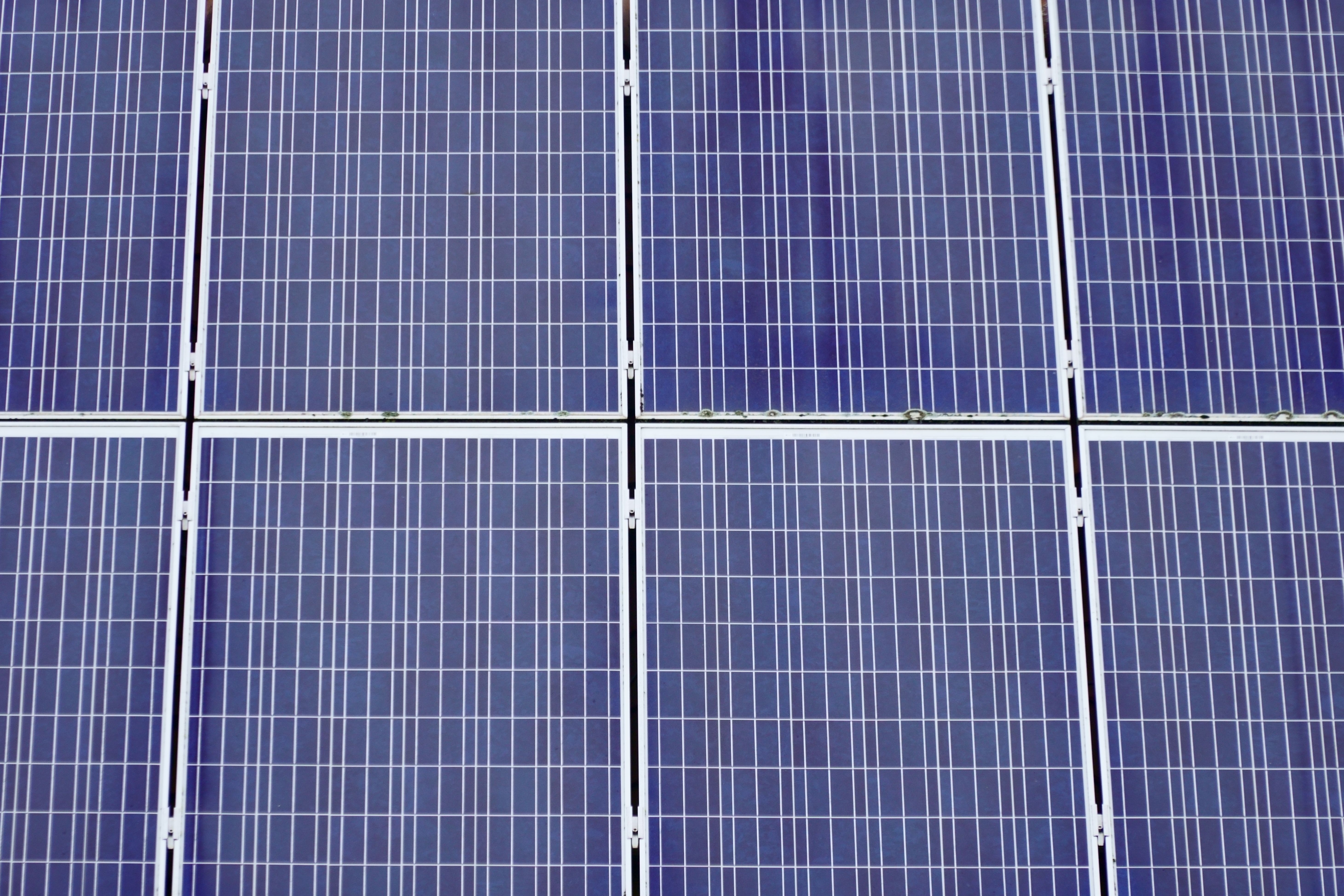
Atomic Summary: Tier-1 solar panels certified to IEC 61215 can withstand 25mm hailstones at 80 km/h, which covers most Pakistani hailstorms. For extreme hail zones in northern Punjab and KPK, additional protection includes wire mesh guards (3 to 8% efficiency trade-off), robust bolted mounting structures rated for 120 km/h winds, and solar-specific insurance endorsements that cost PKR 5,000 to 15,000 annually.
You just spent PKR 500,000 to 1,500,000 on a solar system, and now the weather forecast shows a hailstorm heading your way. Should you panic? Probably not, but understanding exactly how tough your panels are and where their limits lie will help you make smart protection decisions rather than expensive ones.
How Tough Is Your Solar Panel Glass?
Every quality solar panel undergoes standardized hail impact testing before it leaves the factory. Here is what the key certifications actually mean:
IEC 61215 Hail Test Standard
The IEC 61215 test fires 25mm (approximately 1-inch) diameter ice balls at 23 m/s (about 80 km/h) at 11 specific points on the panel surface. The panel must show no visible damage and no more than 5% power degradation after the test.
What this means in practical terms:
- Your panel can handle marble-sized hailstones even at high speed
- Normal rain, even heavy monsoon downpours, pose zero risk to the glass
- Small hail (up to 25mm) will bounce off without leaving a mark
Beyond Standard Testing: UL 61730 and Enhanced Hail
Some premium panels undergo enhanced hail testing with 35mm or even 45mm ice balls. Brands like Jinko (Tiger Neo series), Longi (Hi-MO series), and Canadian Solar (HiKu series) offer models that exceed the baseline IEC 61215 requirements. If you live in a high-risk hail area, specifically ask your supplier about enhanced hail certification.
The Tempered Glass Factor
All quality solar panels use 3.2mm tempered (toughened) glass. This glass is 4 to 5 times stronger than regular glass of the same thickness. It also shatters into small, relatively harmless pieces rather than dangerous shards, which is a safety feature if breakage does occur.
| Glass Type | Thickness | Impact Strength | Used In |
|---|---|---|---|
| Standard Tempered | 3.2mm | Withstands 25mm hail at 80 km/h | Most residential panels |
| Enhanced Tempered | 3.2mm (treated) | Withstands 35mm hail at 80 km/h | Premium Tier-1 panels |
| Double Glass (Bifacial) | 2.0mm + 2.0mm | Withstands 25mm hail at 80 km/h | Bifacial panels |
Pakistan's Hail Risk Zones
Hail frequency and severity vary dramatically across Pakistan. Understanding your local risk level helps you decide how much protection to invest in:
| Risk Level | Regions | Typical Hail Size | Frequency | Recommended Protection |
|---|---|---|---|---|
| High | Northern Punjab (Rawalpindi, Jhelum), KPK (Peshawar, Swat), Islamabad Margalla area, Azad Kashmir | 20mm to 50mm+ | 3 to 8 events per year | Enhanced panels + wire mesh + insurance |
| Moderate | Central Punjab (Lahore, Faisalabad, Gujranwala), Balochistan highlands | 10mm to 30mm | 1 to 4 events per year | Tier-1 panels + robust structure |
| Low | Southern Punjab (Multan, Bahawalpur), Sindh (Karachi, Hyderabad), coastal areas | Rare, below 15mm | 0 to 1 events per year | Standard Tier-1 panels sufficient |
Protection Strategy 1: Wire Mesh Guards
Wire mesh guards are the most common physical protection method. A galvanized steel mesh is installed over the panel surface on a lightweight frame, catching or deflecting large hailstones before they hit the glass.
Pros
- Effective against hailstones up to 50mm
- Also protects against flying debris during windstorms
- Deters birds from nesting under panels
- Cost: PKR 1,500 to 3,000 per panel
Cons
- Reduces solar output by 3 to 8% due to shading from the mesh wires
- Makes panel cleaning more difficult
- Must be securely fastened; poorly attached mesh can become a projectile in high winds
- On a 10kW system, the shading loss means approximately 1 to 2 units less per day, equating to roughly 30 to 60 units lost per month
Alert: If you install wire mesh, use a minimum 50mm (2-inch) mesh opening. Finer mesh causes significantly more shading. The mesh frame must be bonded to the panel grounding system for electrical safety.
Protection Strategy 2: Robust Mounting Structure
Wind is actually a bigger threat than hail in most of Pakistan. A poorly anchored structure can rip panels off the roof during a storm, causing far more damage than hail ever would.
Wind-Proofing Checklist
- Anchor bolts: Use stainless steel chemical anchors (minimum M10 size) into the concrete slab. Never rely on simple expansion bolts for elevated structures.
- Cross-bracing: Add diagonal cross-braces on elevated structures. These resist lateral wind forces that try to twist the structure.
- Panel clamps: Use 4 clamp points per panel (2 mid-clamps, 2 end-clamps). Some budget installers use only 2 clamps per panel, which is a serious wind risk.
- Structure height: If panels are elevated more than 3 meters, consult a structural engineer for wind load calculations specific to your location.
- Steel gauge: Demand minimum 14-gauge galvanized steel. Reject any structure using 18-gauge or thinner steel.
For detailed mounting structure guidance, see our complete flat roof solar installation guide.
Protection Strategy 3: Tilt Angle Optimization
A tilted panel deflects hailstones more effectively than a flat one. When hail hits a panel at an angle, the impact force is distributed across a larger area and the hailstone tends to glance off rather than strike directly.
- Panels tilted at 25 to 30 degrees deflect approximately 30 to 40% more impact energy compared to flat-mounted panels
- This is another reason why laying panels flat on a roof (as discussed in our optimal angle guide) is a bad practice
- The ideal tilt for both energy production and hail deflection in most Pakistani cities is 25 to 32 degrees
Protection Strategy 4: Insurance
For high-value systems (10kW and above), solar-specific insurance is worth serious consideration. Here is what to know:
- Standard home insurance in Pakistan typically does NOT cover solar systems. You must request a specific endorsement or rider.
- Annual premium: Approximately PKR 5,000 to 15,000 per year depending on system value and location.
- What it covers: Hail damage, storm damage, theft, fire, and sometimes electrical faults.
- Providers: EFU General Insurance, Jubilee General Insurance, and Adamjee Insurance are known to offer solar equipment coverage in Pakistan.
- Documentation: Keep your purchase invoices, installation photos, and system specifications readily available. You will need these for any claim.
Post-Storm Inspection: What to Check
After any severe hailstorm or windstorm, perform this inspection within 24 hours:
- Visual glass check: Look for visible cracks, chips, or shattered sections. Even small spider-web cracks can grow over time and allow moisture to reach the solar cells.
- Mounting structure check: Verify all bolts are tight and no panels have shifted position. Check cross-braces and anchor points.
- Production monitoring: Compare daily output on your inverter monitoring app before and after the storm. A sudden unexplained drop of more than 10% may indicate internal micro-cracks that are invisible to the naked eye.
- Wiring inspection: Check that all conduit pipes are intact and no cables have been pulled loose by wind.
- Junction box check: Inspect the back of accessible panels for water ingress or loose connections.
Alert: Never touch any wiring or climb onto a wet roof to inspect panels. Wait until the roof is dry and, if you suspect electrical damage, call a qualified solar technician. A live DC circuit can deliver a lethal shock even when the inverter is off.
The Hidden Danger: Micro-Cracks
The most insidious form of hail damage is the micro-crack. These are tiny fractures in the silicon cells that are invisible to the naked eye but progressively reduce panel output over months and years. A panel that looks perfectly fine after a hailstorm may have internal damage that slowly worsens.
The only way to detect micro-cracks is through electroluminescence (EL) imaging, which requires specialized equipment. If your system shows unexplained production drops after a severe storm, contact your panel manufacturer for a warranty inspection.
Conclusion
For the vast majority of Pakistani homeowners, Tier-1 solar panels with proper mounting structures are tough enough to handle local hail conditions without any additional protection. If you live in a high-risk zone (northern Punjab, KPK, or Islamabad hills), the combination of enhanced-certification panels, wire mesh guards, and insurance provides comprehensive protection. The most important factor is always the mounting structure. Panels that survive the hail but get ripped off by wind are just as destroyed. Invest in quality installation first, then consider additional protection based on your specific location's weather history.
Frequently Asked Questions
Can solar panels survive hailstorms in Pakistan?
Yes, Tier-1 solar panels with IEC 61215 certification can withstand 25mm (1-inch) hailstones at 80 km/h. This covers the vast majority of hailstorms in Pakistan. However, extreme events with golf-ball-sized or larger hailstones can crack even tempered glass, causing micro-cracks that reduce output over time.
Should I install wire mesh guards over my solar panels?
Only if you live in a high-risk hail zone (northern Punjab, KPK, Islamabad hills). Wire mesh reduces sunlight reaching your panels by 3 to 8%, which means a permanent efficiency loss. For most areas in Pakistan, Tier-1 panel glass is sufficient protection. If you do install mesh, use galvanized steel with openings no smaller than 50mm to minimize shading.
Does home insurance cover solar panel hail damage in Pakistan?
Standard homeowner policies in Pakistan typically do not cover solar systems automatically. You need to add a specific solar system endorsement or rider to your policy. Companies like EFU General, Jubilee General, and Adamjee Insurance offer property insurance that can be extended to include rooftop solar equipment. Always get the coverage terms in writing before purchasing.