Spotting Fake Jinko Solar Panels in Pakistan: 2026 Verification Guide
By PSI Editorial • June 8, 2026
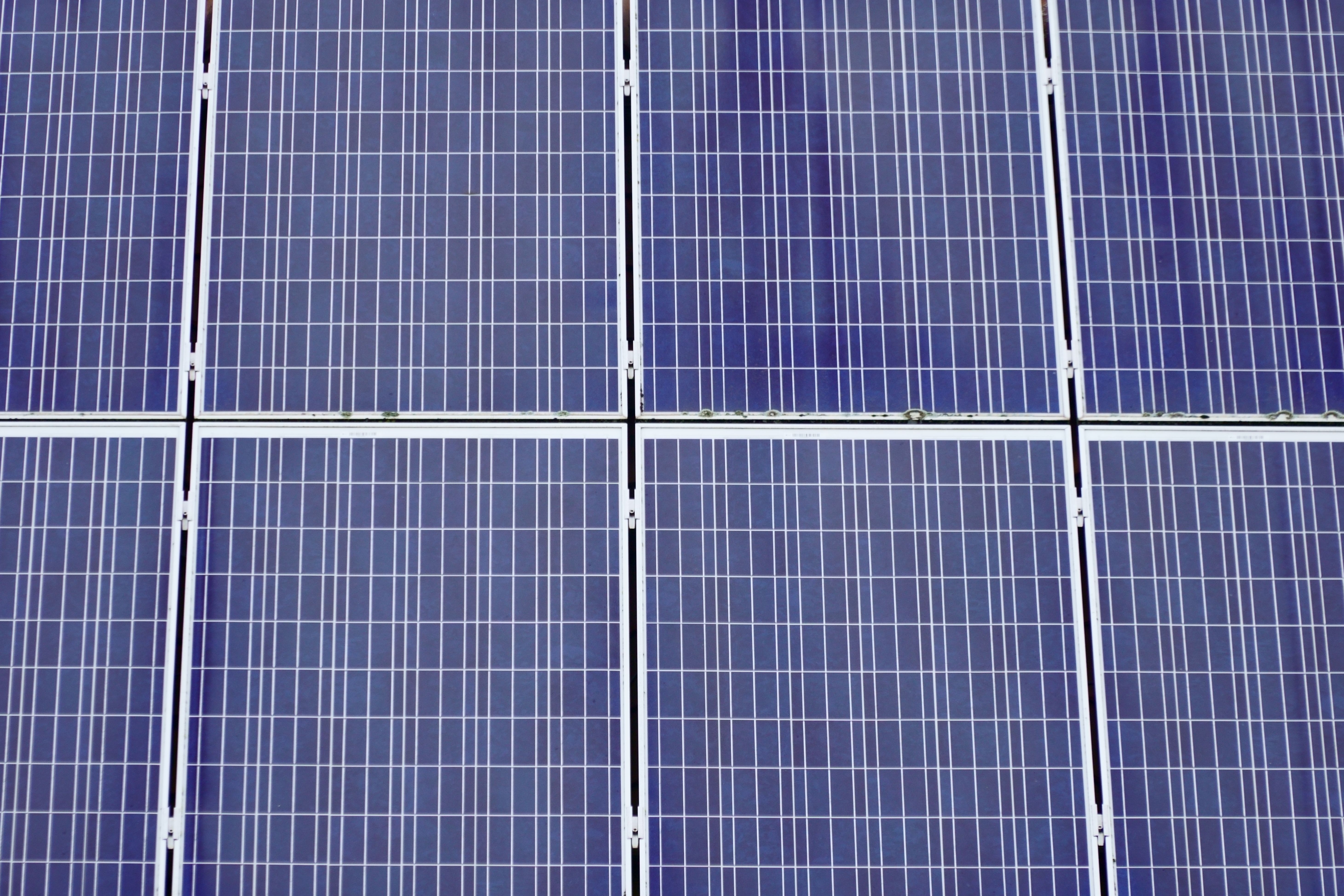
Atomic Summary: Identifying counterfeit Jinko solar panels in Pakistan requires looking beyond the rear sticker. Buyers must verify the permanent barcode laminated under the front glass using Jinko's official verification app, compare physical build markers like busbar alignment, and request factory flash test reports. Buying from authorized national distributors and avoiding suspicious pricing—as genuine N-type Jinko panels retail for PKR 40 to PKR 44 per watt in 2026—remains the best protection against solar fraud.
As solar energy adoption reaches record heights in Pakistan, driven by high grid tariffs and the shift from net metering to net billing in 2026, demand for Tier-1 brands has surged. Among these, Jinko Solar's Tiger Neo N-type series is the market favorite due to its superior efficiency and temperature coefficient. However, this popularity has triggered a massive influx of counterfeit and relabelled solar panels in major trading hubs like Lahore, Karachi, and Peshawar. Shady installers and retail vendors capitalize on low consumer awareness, passing off cheap, low-grade, or discarded B-grade panels as premium A-grade Jinko products. For a consumer investing lakhs or crores of rupees, buying fake panels destroys the return on investment (ROI) and leaves them with zero warranty protection.
The Counterfeit Ecosystem: Grey Imports and Relabelled B-Grades
Counterfeit solar panels enter the Pakistani market through three main routes. First, grey imports of B-grade panels. These are genuine Jinko panels that failed factory quality control due to microcracks or cosmetic blemishes. Under official guidelines, they should be recycled. Instead, brokers smuggle them into Pakistan, selling them to retailers as A-grade stock. Compare Jinko with other manufacturers in our review of top Tier-1 solar panels to see why these premium brands are targeted by scammers.
Second, scammers relabel Tier-3 or unbranded panels. They import cheap, nameless modules, print replica stickers with Jinko logos and fake specifications for a few rupees in Lahore's Hall Road or Karachi's Bolton Market, and paste them on the back. Third, decommissioned panels salvaged from older commercial plants abroad are imported as scrap, polished, and sold as brand-new. To understand how cell technology differences impact performance, read our guide comparing mono vs poly solar panels.
The Ultimate Verification Step: The Front-Glass Barcode
Relying on the sticker on the back of the solar panel is a huge mistake. Since these stickers are easily faked, they are useless for verification. The most critical checkpoint is the permanent serial number and QR barcode laminated under the front tempered glass. Jinko Solar embeds a high-security barcode directly under the front glass sheet during manufacturing. A scammer cannot alter or replace this barcode without completely shattering the tempered glass.
The serial number on this internal barcode is unique. Using Jinko's official mobile app, scan this barcode directly through the front glass. The system queries Jinko's central database, returning the exact manufacturing date, cell type, and factory wattage. If the scan fails, or if the database details do not match the physical panel (e.g., database says 540W but the back sticker claims 580W), it is a fake. For broader detection tips, see our guide on how to spot a fake solar panel.
Technical Paperwork: Flash Tests and Datasheets
Every genuine Jinko panel has a unique performance profile recorded in its factory flash test report. During production, the panel is subjected to a flash simulation that measures its exact electrical output under Standard Test Conditions (STC). This is compiled into a report linking the panel's serial number to its measured power, voltage, and current. You must demand this flash test report from the dealer; authorized distributors will easily provide this data for your batch.
If a dealer refuses to provide this report, or if the serial numbers on your panels do not appear in the datasheet, you are likely dealing with B-grade or fake stock. Additionally, compare the physical dimensions, weight, and electrical specs on the rear label against the official Jinko Tiger Neo datasheet. Read our guide on how to read a solar panel datasheet to understand these metrics. A discrepancy of even a few millimeters or grams indicates a fake.
Physical Inspection: Structural Clues and Build Quality
Visual inspection reveals key physical tells of counterfeit panels. Genuine Jinko Tiger Neo panels are manufactured in fully automated facilities, whereas fakes exhibit signs of manual assembly. Check the frame and corners: genuine Jinko panels feature anodized aluminum alloy frames with perfectly sealed corner joints. Counterfeits often have visible gaps at the frame corners, rough edges, or excess silicone sealant leaking out. Using counterfeit panels with substandard wiring creates extreme fire hazards; read more on the dangers of cheap solar wires.
Look closely at the busbars: genuine N-type panels use super-thin, perfectly straight multi-busbar ribbons that are machine-soldered. Fakes show crooked ribbons, uneven spacing, or yellowish flux residue from manual soldering. Inspect the backsheet and junction box: the rear backsheet of a genuine Jinko panel is smooth and free of bubbles. The junction box is securely sealed with an IP68 rating. Fake panels use cheap junction boxes with poor sealants that allow moisture to enter during Pakistan's monsoon season, causing short circuits.
Checkpoint Table: Genuine vs. Counterfeit Jinko Panels
The following table summarizes the key visual and technical checkpoints you should verify before accepting delivery of Jinko solar panels in Pakistan:
| Checkpoint Feature | Genuine Jinko Tiger Neo (A-Grade) | Counterfeit / Relabelled B-Grade |
|---|---|---|
| Internal QR Barcode | Laminated permanently under the front glass; matches factory database. | Missing, copied from another panel, or fails the official scan. |
| Rear Nameplate Label | Crisp, high-resolution print; fits perfectly; lists exact specs. | Slightly blurry print, crooked alignment, or easily peeled off. |
| Busbar and Ribbon Lines | Perfectly straight, thin, machine-soldered ribbons. | Uneven, thick, crooked, or shows manually soldered flux spots. |
| Cell Color Consistency | Uniform, dark N-type silicon cells with zero color variation. | Patchy cells with different shades of blue or black indicating rejected batches. |
| Price per Watt (2026) | Standard market range of PKR 40 to PKR 44 per watt. | Suspiciously low pricing, often below PKR 35 to PKR 38 per watt. |
| Factory Flash Test | Available as a matching spreadsheet with individual serial numbers. | Dealer cannot provide the report, or serial numbers do not match. |
Price Red Flags: Understanding Market Rates in 2026
Pricing is a highly reliable indicator of authenticity in Pakistan. While solar prices have dropped globally, they maintain a clear baseline. In mid-2026, a genuine, brand-new A-grade Jinko Tiger Neo N-type solar panel (like the 575W or 580W models) retails between PKR 40 and PKR 44 per watt in Lahore, Karachi, and Islamabad. A 580W panel costs approximately PKR 23,200 to PKR 25,520 before tax. If a dealer offers panels at PKR 34 to PKR 37 per watt, do not assume it is a special discount. There is no way a dealer can sell below the import cost.
Such low prices are a massive red flag. These panels are either counterfeits, salvaged scrap, or B-grade stock that failed factory safety tests. Saving a few thousand rupees upfront on cheap fake panels will cost you hundreds of thousands of rupees in lost energy generation and potential equipment replacement. A price far below the current market average signals a fake product.
How to Buy Safely and Protect Your Investment
To ensure you get genuine panels, buy only from authorized national distributors or certified EPC installers with verified supply chains. Always demand a proper tax invoice listing the exact serial numbers of every panel delivered. This creates a legal paper trail and allows you to claim Jinko's 12-year product and 30-year power warranty. For details on how to navigate this, check our guide on how to claim solar warranty in Pakistan. Before mounting the panels, scan and photograph the internal front-glass barcodes yourself, as checking them later on high roofs is difficult.
Step-by-Step Security Protocol for Buyers
Follow this step-by-step security protocol to ensure your purchase is safe:
- Purchase from Authorized Dealers: Buy only from official distributors or reputable companies.
- Request Serial Numbers: Ask for the packing list and serial numbers before shipping to run database checks.
- Inspect the Pallets: Ensure panels are delivered in original factory packaging with Jinko branding.
- Scan Every Barcode: Scammers mix genuine panels at the front with fakes in the back. Scan every front-glass barcode.
- Demand Flash Tests: Ensure the invoice lists every serial number and matches the factory test report.
Frequently Asked Questions
Can a fake sticker pass the official Jinko solar verification portal?
No. The official Jinko verification app and online portal verify the unique cryptographic signature of the serial number against their actual factory database. A fake sticker with a copied or random serial number will fail Jinko's security checks.
What is the difference between a fake panel and a B-grade Jinko panel?
A fake panel is a cheap, unbranded Tier-3 panel with a counterfeit sticker. A B-grade Jinko panel is made by Jinko but failed factory quality control due to microcracks or defects. Unscrupulous dealers sell both as brand-new A-grade panels.
What is the genuine price of Jinko N-Type solar panels in Pakistan for 2026?
In mid-2026, genuine A-grade Jinko Tiger Neo N-type panels sell for PKR 40 to PKR 44 per watt in Pakistan. Be suspicious of prices below PKR 38 per watt, as they usually indicate counterfeits, B-grade stock, or salvaged solar panels.
Where is the permanent serial number located on a Jinko solar panel?
The permanent serial number and barcode are laminated directly under the front glass sheet, near the inner frame edge. It cannot be peeled off or altered without shattering the glass, unlike the stickers on the back.
How can I obtain the official factory flash test report for my panels?
You must request the flash test report from your installer or distributor. It must list the exact serial numbers of the panels you purchased, showing the tested power output, open-circuit voltage, and short-circuit current from the Jinko factory.