How to Protect Solar Panels from Theft in Pakistan: 9 Proven Methods
By PSI Editorial • June 10, 2026
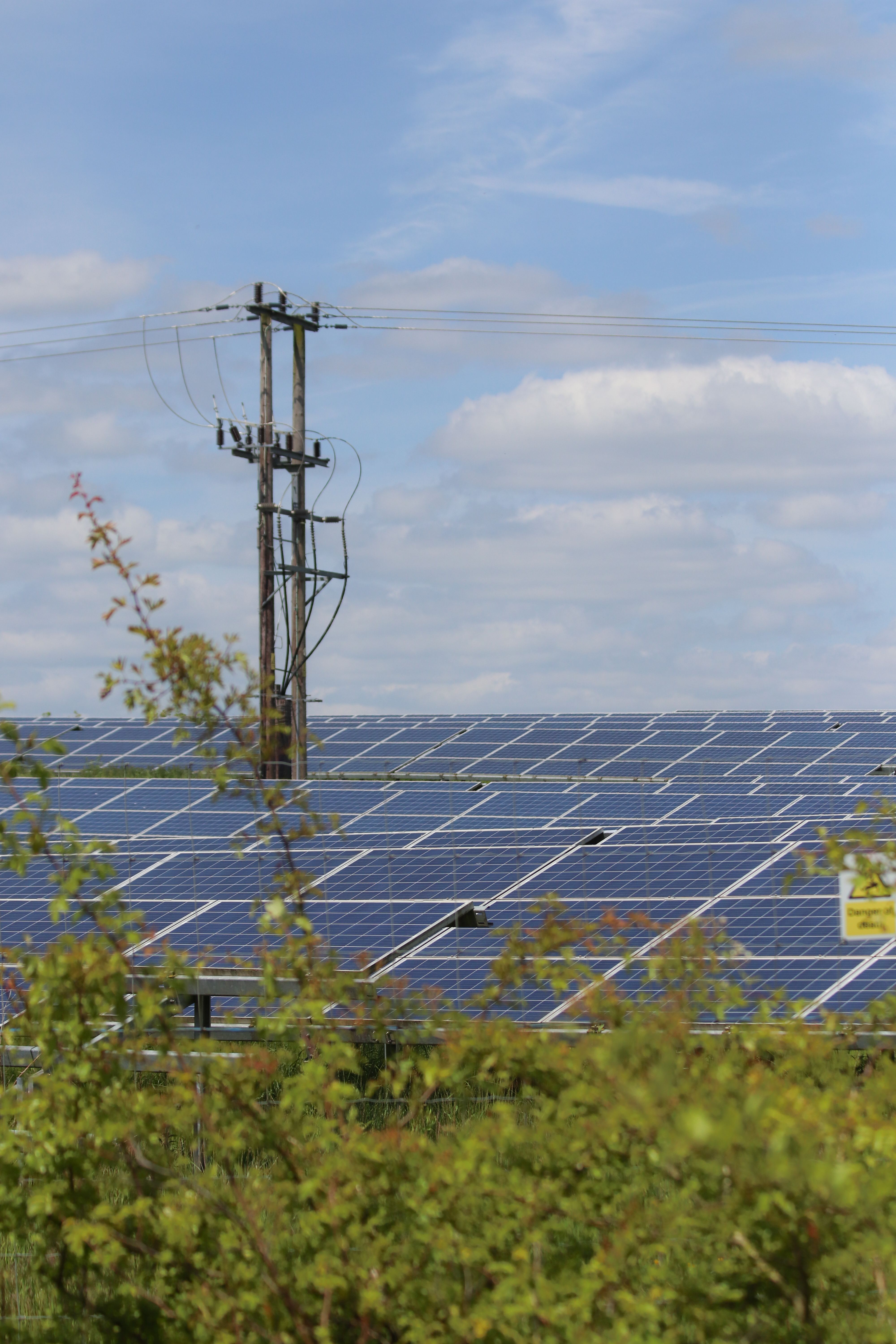
Atomic Summary: A typical Pakistani rooftop with 16 to 20 panels represents Rs. 500,000 to 1,500,000+ in easily removable, untraceable hardware. Protecting your solar investment requires a layered approach: anti-theft shear nuts or spot welding to prevent quick removal, solar-powered CCTV and motion-sensor floodlights for surveillance, tamper alarms for instant alerts, hidden GPS trackers for recovery, and comprehensive insurance as a financial backstop.
You saved for months, compared quotes, survived the installation chaos, and finally have a gleaming solar array on your roof. Then one morning you wake up to bare mounting rails and cut DC cables. Unfortunately, solar panel theft is a growing crime across Punjab, Sindh, and KPK, and most homeowners only think about security after they have already been robbed.
Here are 9 proven methods to protect your solar panels, ranked from the most critical physical deterrents to advanced electronic monitoring.
Layer 1: Physical Deterrents (Make Removal Nearly Impossible)
1. Replace Standard Bolts with Anti-Theft Shear Nuts
Standard hex bolts can be removed in seconds with a basic wrench. Anti-theft "shear nuts" (also called breakaway nuts) have a specially designed hex head that snaps off during tightening, leaving behind a smooth, round surface that cannot be gripped by any standard tool. The only way to remove them is with a specialized shear nut removal tool or an angle grinder, both of which are loud, time-consuming, and conspicuous at 3 AM.
These nuts are available on Daraz and from local hardware suppliers in Lahore's Hall Road and Karachi's Saddar market for Rs. 100 to 300 per piece. You need roughly 4 nuts per panel, so for a 20-panel system, the total cost is only Rs. 8,000 to 24,000.
2. Spot-Weld the Mounting Bolts
For maximum security, ask your installer to spot-weld the mounting bolts to the steel racking after tightening. This makes removal physically impossible without cutting through the steel frame itself. A local welder can do this for Rs. 3,000 to 5,000 for an entire array. The downside is that if you ever need to reposition a panel for maintenance, you will need to grind off the welds.
3. Use Tamper-Proof Security Screws
One-way security screws (also called "plum blossom" or Torx pin-head screws) require proprietary driver bits to remove. While less secure than shear nuts or welding, they add significant friction for opportunistic thieves who arrive with only basic tools.
Layer 2: Electronic Surveillance (See and Alert)
4. Install Solar-Powered CCTV Cameras
A visible CCTV camera is one of the strongest psychological deterrents. For solar installations, use cameras that have their own built-in solar panel and battery, so they remain operational during load shedding and at night. 4G/SIM-enabled cameras that connect directly to your phone without needing WiFi are ideal for rural installations and farmhouses.
Alert: Make sure your CCTV system is powered independently from the main solar system. If thieves cut the DC cables first, a camera powered by the same system will go dark. Use a dedicated camera with its own solar panel and internal battery, or power it from a separate indoor lithium battery with its own small panel.
5. Motion-Sensor Floodlights
Thieves operate in darkness. A sudden burst of 50W to 100W LED floodlight triggered by motion detection is often enough to send them running. Solar-powered motion floodlights cost Rs. 3,000 to 8,000 on Daraz and require zero wiring. Mount them at the rooftop access point (stairs, ladder area) and near the array perimeter.
6. Tamper Alarms with Mobile Alerts
Dedicated tamper alarm systems use thin resistance wires threaded through the panel mounting frames. If a wire is cut or a panel is lifted, a loud siren sounds and a notification is sent to your phone via GSM/SIM module. More advanced setups integrate with existing home security systems. Expect to pay Rs. 10,000 to 25,000 for a complete tamper alarm kit.
Layer 3: Tracking and Recovery
7. Hidden GPS Trackers in Junction Boxes
Compact GPS trackers (like those used for vehicle tracking) can be hidden inside the junction box on the back of each high-value panel. If a panel is stolen, the tracker transmits its location via a SIM card, making police recovery far more likely. These trackers cost Rs. 3,000 to 8,000 each and require a basic SIM card with a data plan of Rs. 100 to 200/month.
For cost-efficiency, you do not need to track every panel. Place trackers in 3 to 4 panels spread across different sections of the array.
8. Module-Level Monitoring
If your system uses micro-inverters or module-level power optimizers (like Huawei Smart PV or Tigo optimizers), each panel is individually monitored. The moment a panel is disconnected, the monitoring app sends an alert to your phone with the exact panel position. This doubles as both a theft detection and a performance monitoring tool.
Layer 4: Financial Protection
9. Comprehensive Insurance Coverage
No physical security system is 100% foolproof. Insurance is your financial safety net. Several Pakistani insurers offer coverage:
| Insurance Provider | Coverage Type | Approx. Premium |
|---|---|---|
| EFU General Insurance | Theft, fire, natural disasters | 0.5% to 1.0% of system value/year |
| Jubilee General Insurance | All-risk property rider | 0.7% to 1.5% of system value/year |
| Adamjee Insurance | Equipment breakdown + theft | 0.8% to 1.2% of system value/year |
For a Rs. 1,500,000 solar system, insurance costs roughly Rs. 7,500 to 22,500 per year, which is a small price for peace of mind. Always keep your original purchase invoices, panel serial numbers, panel datasheets, and dated installation photos for documentation.
Bonus: Community and Deterrence Strategies
Beyond hardware, several soft strategies significantly reduce theft risk:
- Visible warning signs: "24/7 CCTV Surveillance" and "GPS-Tracked Panels" signs deter opportunistic thieves even if you only have basic security
- Neighborhood watch: Inform neighbors about your installation and ask them to report suspicious rooftop activity, especially during load shedding hours when streets are dark
- Secure rooftop access: Install a locking door or gate at your rooftop staircase. A Rs. 5,000 steel gate is the simplest first line of defense
- Serial number registry: Record and photograph the serial number sticker on each panel. Report these to police immediately if stolen, as recovered panels can be matched
- Avoid advertising: Do not publicly share details about the size or cost of your system on social media
Cost Summary: What Does Complete Protection Look Like?
| Security Measure | Estimated Cost (PKR) | Theft Deterrence Level |
|---|---|---|
| Anti-theft shear nuts (20 panels) | 8,000 to 24,000 | High |
| Spot welding | 3,000 to 5,000 | Very High |
| Solar CCTV camera (4G) | 8,000 to 25,000 | High |
| Motion-sensor floodlight | 3,000 to 8,000 | Medium |
| Tamper alarm system | 10,000 to 25,000 | High |
| GPS trackers (3 to 4 units) | 9,000 to 32,000 | Recovery-focused |
| Rooftop security gate | 5,000 to 15,000 | Medium |
| Total (comprehensive setup) | 46,000 to 134,000 | Maximum |
Spending Rs. 50,000 to Rs. 130,000 on security for a system worth Rs. 1,000,000+ is not an expense; it is insurance you can see and touch. Combine this with formal insurance coverage and you have a near-bulletproof protection strategy.
Frequently Asked Questions
How much does it cost to secure solar panels from theft in Pakistan?
A basic security setup including anti-theft shear nuts (Rs. 2,000 to 5,000), a solar-powered CCTV camera (Rs. 8,000 to 25,000), and a motion-sensor floodlight (Rs. 3,000 to 8,000) costs between Rs. 15,000 to 40,000 total. This is a tiny fraction of a system worth Rs. 500,000 to 2,000,000+.
Can stolen solar panels be tracked?
Yes, if you install hidden GPS trackers inside the panel junction boxes before mounting. Compact GPS trackers with SIM-based reporting cost Rs. 3,000 to 8,000 per unit and send location alerts to your phone. Additionally, micro-inverter and module-level monitoring systems can detect when a panel suddenly goes offline, triggering instant alerts.
Does insurance cover solar panel theft in Pakistan?
Yes. Several Pakistani insurers including EFU General, Jubilee General, and Adamjee Insurance offer property insurance riders that cover solar installations against theft, fire, and natural disasters. Premiums typically range from 0.5% to 1.5% of the system value annually. Always keep your original purchase invoices, serial number records, and installation photos as documentation for claims.