Are Solar Air Conditioners Worth Buying in Pakistan? (2026 Guide)
By PSI Editorial • June 13, 2026
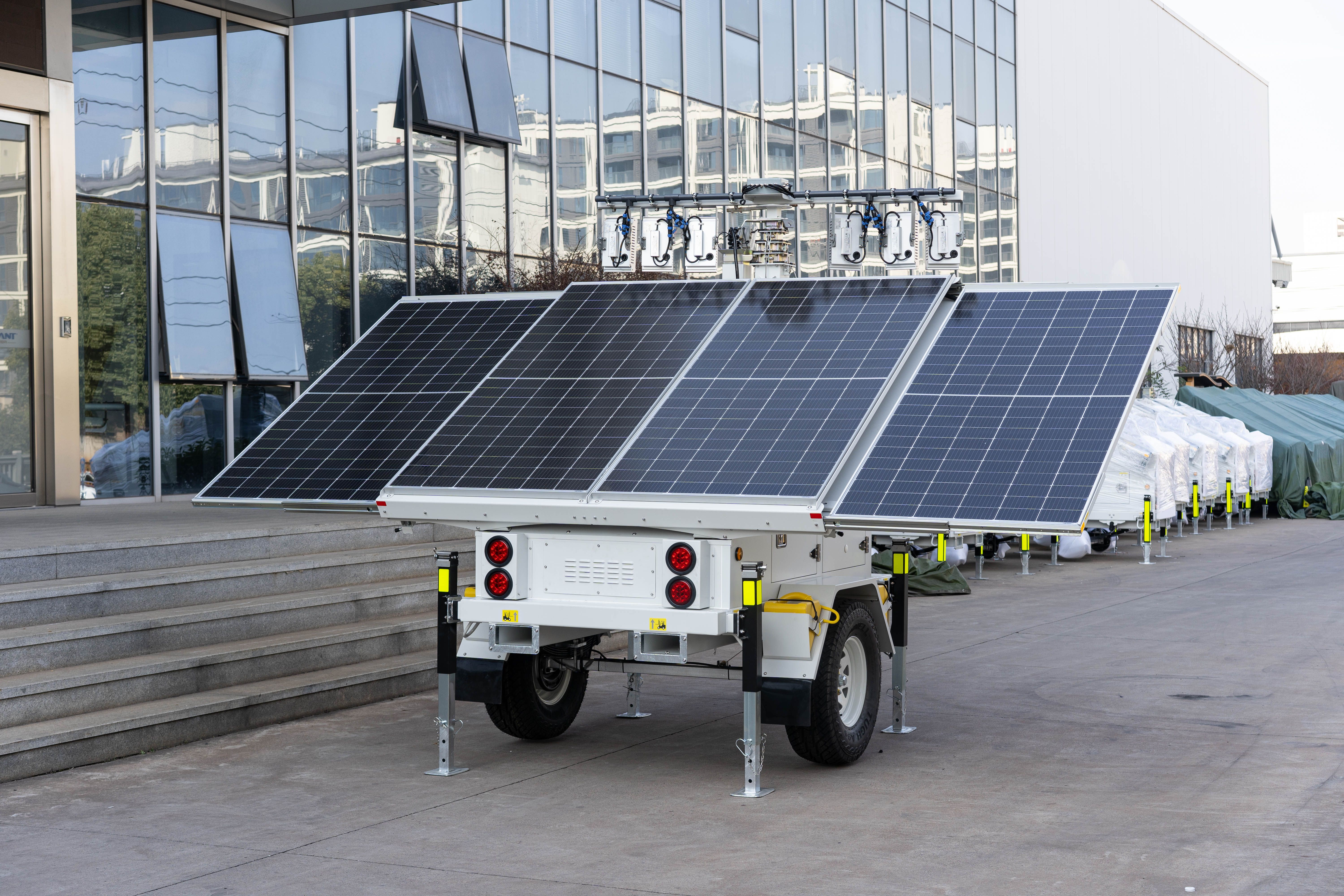
Atomic Summary: While direct DC "Solar ACs" (Hybrid Solar ACs) offer minor efficiency gains by eliminating conversion losses, they are generally not recommended for Pakistani homeowners in 2026. Because their dedicated solar panels are hardwired directly to the air conditioner, any solar energy generated when the AC is turned off (such as during winters, mild weather, or cooler mornings) is completely wasted. Powering standard, highly efficient inverter ACs through a central hybrid solar system is a far more flexible, cost-effective, and future-proof investment under Pakistan's current net billing regulations.
Pakistan's summer seasons are notoriously harsh, with temperatures in cities like Lahore, Multan, and Karachi frequently exceeding 45 degrees Celsius. During these scorching months, air conditioning is a critical necessity. However, running an air conditioner on WAPDA or K-Electric grid power has become financially crippling due to recent tariff hikes, resulting in monthly electricity bills exceeding PKR 40,000 to PKR 80,000. In response to this crisis, direct "Solar ACs" (hybrid solar air conditioners) have flooded local markets. Promoted as a plug-and-play solution that runs directly off solar panels without a central inverter, they seem like an ideal choice. But is a dedicated Solar AC truly worth buying? Let us break down the technology and economics.
Direct Solar ACs vs. Standard Inverter ACs: Understanding the Technology
To make an informed decision, it is essential to understand the differences between these two systems.
A Direct DC Solar AC (or Hybrid Solar AC) is a specialized unit designed to accept high-voltage DC power directly from solar panels. The panels connect via DC cables directly to terminals in the outdoor unit. The unit contains specialized internal circuitry (a hybrid power card) that blends DC power from the panels with AC power from the grid. During sunny midday hours, the AC runs almost entirely on DC solar power, seamlessly blending grid electricity at night.
In contrast, a Standard Inverter AC operates on Alternating Current (AC) supplied by your home wiring. When powered by solar, the panels connect to a central hybrid or off-grid inverter (such as Solis, Growatt, or Inverex). The central inverter converts DC power from the panels into AC electricity to power the entire house, including the AC.
By skipping the central inverter, a direct Solar AC avoids DC-to-AC conversion losses (typically 10% to 15%). However, this minor efficiency advantage is offset by a massive design limitation.
The Fatal Flaw of Direct Solar ACs: Wasted Solar Potential
The primary disadvantage of a direct Solar AC lies in its rigid, hardwired architecture. Because the solar panels connect directly to the outdoor unit of a single appliance, they cannot share their energy with any other part of the household.
Consider the seasonal patterns in Pakistan:
- Summer Daytime: You run the AC during peak sun hours (11 AM to 4 PM) and panels power it.
- Summer Nights: The sun has set, but the humidity requires cooling. Lacking battery storage, the AC pulls 100% of its power from the grid at expensive nighttime peak rates.
- Winter and Shoulder Seasons: You do not run the AC. For four to five months, the panels on your roof sit completely idle, generating zero value, while your refrigerator and fans run on expensive grid power. If you need to run an air fryer on solar or keep appliances running, these dedicated panels cannot help you.
With a central hybrid solar system, the energy generated by your solar panels is never wasted. If the air conditioner is turned off, the central inverter automatically routes that power to other active appliances, charges your battery bank, or exports the surplus to the grid.
The 2026 Net Billing Reality in Pakistan
For years, net metering allowed solar owners to export excess daytime electricity to the grid at high rates. However, the regulatory landscape changed in February 2026, when NEPRA officially transitioned from net metering to net billing.
Under the 2026 net billing framework:
- The export rate for selling solar power back to the grid has been slashed to approximately Rs 8.13 per unit.
- The import rate for buying electricity from the grid remains high, ranging from Rs 45 to Rs 65 per unit depending on the peak hours and slab limits.
This massive gap makes exporting electricity unprofitable; maximum self-consumption is now the single best financial strategy. A central solar system excels at this. If the AC turns off, surplus solar power is immediately consumed by your refrigerator or pump, saving you Rs 50 per unit. With a direct Solar AC, surplus solar power is lost forever because it cannot export power or share it. For sizing advice, read about 1-ton inverter AC solar requirements or sizing a system for a solar system size for a 2-ton AC.
Upfront Costs and Financial Analysis
Let us compare the financial costs. A 1.5-ton direct Solar AC unit from a brand like Haier or Kenwood costs between PKR 160,000 and PKR 220,000. Sourcing 3 to 4 solar panels (Jinko or LONGi) costs PKR 80,000 to PKR 100,000, and mounts/wiring add PKR 20,000 to PKR 30,000, bringing the total setup to PKR 260,000 to PKR 350,000. In contrast, a high-efficiency standard 1.5-ton inverter AC costs PKR 110,000 to PKR 160,000. A central 5kW hybrid solar system costs PKR 750,000 to PKR 900,000. While the central system has a higher upfront cost, it powers your entire house instead of just one appliance.
| Cooling Setup Option | Estimated Upfront PKR Cost | Running Cost (Summer) | Key Advantages (Pros) | Key Disadvantages (Cons) |
|---|---|---|---|---|
| Direct Solar AC (1.5 Ton) + 4 Panels | PKR 260,000 to PKR 350,000 | Low (daytime), High (night WAPDA rates) | Lower initial investment; no central inverter required; 10-15% direct DC efficiency gain. | Solar panels sit idle when AC is off; zero winter utility; no night battery backup; expensive proprietary parts. |
| Standard Inverter AC + Central 5kW Solar | PKR 860,000 to PKR 1,060,000 (system + AC) | Near Zero (balanced by daytime generation) | Powers entire home; excess solar runs other appliances; supports battery backup; standard parts. | High initial capital investment; slight conversion efficiency loss (10-12%). |
| Standard Inverter AC (Grid-Only, No Solar) | PKR 110,000 to PKR 160,000 | Extremely High (PKR 35,000 to 55,000/month) | Lowest upfront cost; standard repair parts available in every local market. | Vulnerable to WAPDA tariff hikes; high running costs; no power during load-shedding. |
Reliability, Maintenance, and Warranty Challenges in Pakistan
Operating electronic equipment in Pakistan comes with grid and environmental challenges. Extreme summer heat exceeding 45 degrees Celsius, dust storms, high humidity, and severe voltage fluctuations on the WAPDA grid put immense stress on electronics.
Direct Solar ACs have a major vulnerability: their internal hybrid power cards. These motherboards manage the simultaneous blending of high-voltage DC power and AC grid power. A grid surge can easily fry this card.
- Voltage Fluctuations: The Pakistani national grid is notorious for sudden surges and voltage drops. A sudden surge can easily fry the hybrid power card.
- Replacement Costs: While a standard inverter AC motherboard can be repaired or replaced by local technicians for PKR 12,000 to PKR 18,000, replacing a specialized hybrid solar AC card often costs PKR 35,000 to PKR 55,000.
- Parts Availability: Standard AC parts are readily stocked. In contrast, replacement hybrid cards for Solar ACs are frequently out of stock at official service centers, leaving homeowners without cooling for weeks.
- Warranty Claims: Claiming a warranty is also difficult if the manufacturer attributes card damage to grid fluctuations or lightning.
Final Recommendations for Pakistani Homeowners
If you are planning to invest in solar cooling in 2026, follow these recommendations to maximize your return:
- Avoid single-appliance Solar ACs for residential use: Unless you are setting up an office or a school where the AC runs exclusively during daylight hours and you have no other electrical load, do not buy a direct Solar AC.
- Prioritize a central hybrid solar system: Install a central hybrid solar inverter (5kW or 10kW) with Tier-1 solar panels. This central unit acts as the brain of your home, distributing solar power dynamically where it is needed most.
- Choose standard, high-efficiency inverter ACs: Buy standard DC inverter ACs from reputable brands, which are cheaper to buy and maintain.
- Utilize smart scheduling: Program your inverter AC to run during peak sunlight hours (11 AM to 4 PM) to cool your home using direct, free solar energy. This strategy aligns with the 2026 net realities by maximizing self-consumption.
- Incorporate battery storage for night backup: Pair your central hybrid inverter with a reliable lithium-ion or tubular battery bank to keep your inverter AC running during nighttime load-shedding without relying on the grid.
Frequently Asked Questions
What is the difference between a direct Solar AC and a standard inverter AC run on a solar system?
A direct Solar AC (often called a Hybrid Solar AC) connects directly to solar panels via DC cables, bypassing a central home inverter. A standard inverter AC operates on regular AC household power supplied by a central hybrid or off-grid solar inverter. While direct DC ACs save minor conversion losses, they cannot share their solar power with other household appliances when the AC is turned off.
How does Pakistan's 2026 net billing policy affect the decision to buy a Solar AC?
Since February 2026, NEPRA's net billing exports power at a low rate of ~Rs 8.13 per unit while importing grid power at Rs 45 to 65 per unit. This makes self-consumption of solar energy critical. While running an AC during peak sun hours achieves high self-consumption, a direct Solar AC wastes all solar power when the AC is off. A central system allows you to self-consume that energy for refrigerators, pumps, or batteries.
What are the upfront costs of a Solar AC setup in Pakistan?
A 1.5-ton hybrid Solar AC unit costs between PKR 160,000 and PKR 220,000, and the required 3 to 4 solar panels with mounting structures and DC cables add PKR 100,000 to PKR 130,000, bringing the total setup cost to PKR 260,000 to PKR 350,000. In comparison, a standard 1.5-ton inverter AC costs PKR 110,000 to PKR 160,000 but requires a central solar system to run on solar.
Is it easy to get replacement parts for direct Solar ACs in Pakistan?
No, sourcing replacement parts for direct Solar ACs is a major challenge in Pakistan. The outdoor units use complex, proprietary hybrid power cards that blend AC and DC electricity. If these cards fail due to voltage fluctuations or lightning, replacements are costly (PKR 35,000 to PKR 55,000) and often not stocked by local dealers, unlike standard inverter AC components.
Which option is recommended for most Pakistani households in 2026?
For most households, buying a high-efficiency standard inverter AC and powering it through a central hybrid solar system is the recommended path. This system prevents solar energy wastage during winters or cool days, supports battery backup during night load-shedding, and provides a much higher long-term return on investment under the current net billing framework.