What is an MPPT Charge Controller? Complete Guide for Pakistan
By PSI Editorial • June 8, 2026
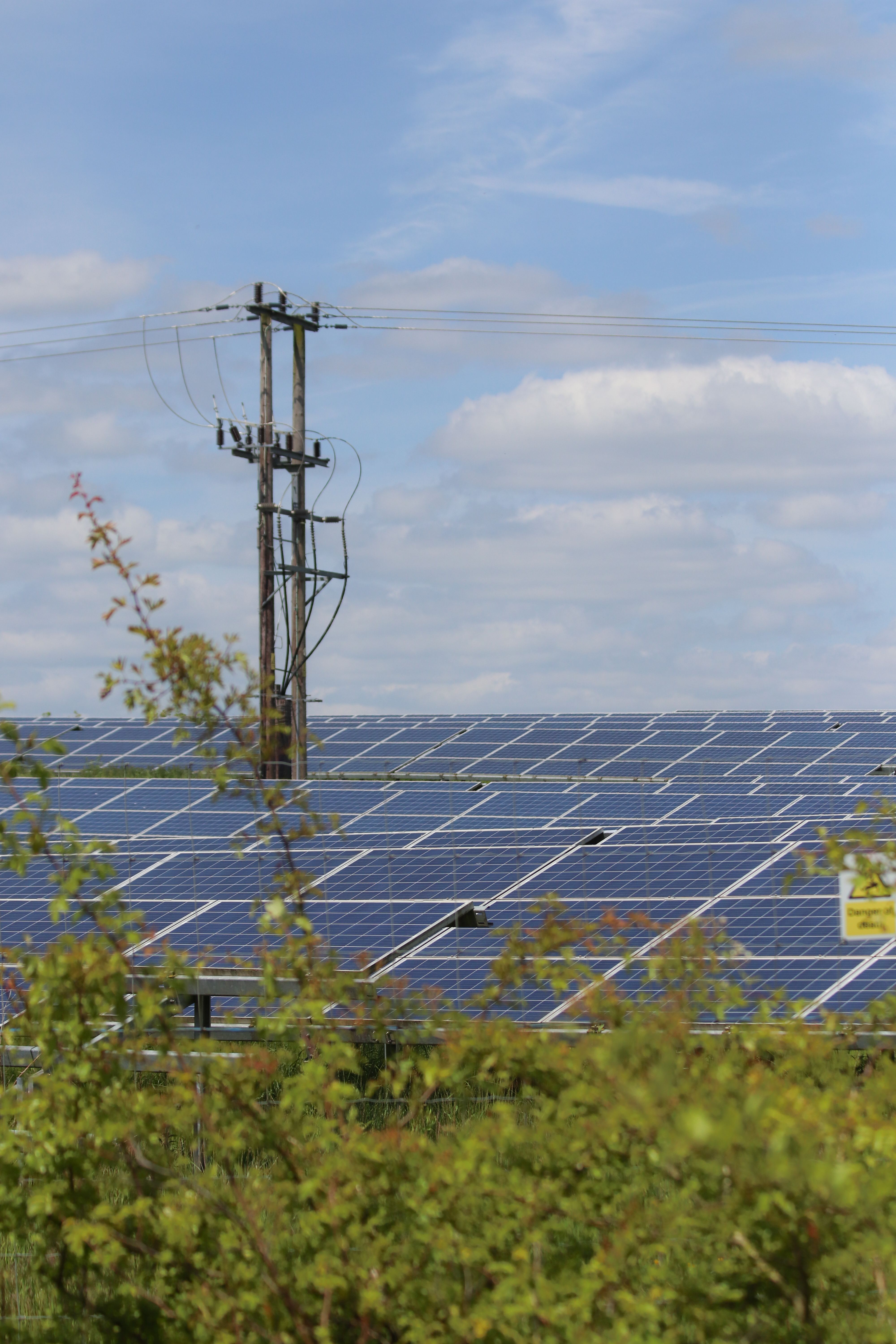
Atomic Summary: MPPT (Maximum Power Point Tracking) is a smart DC-to-DC conversion algorithm inside solar inverters that continuously tracks the optimal voltage-current combination on your panels, extracting 20 to 30% more daily energy than older PWM controllers. Every modern hybrid inverter from Solis, Growatt, Huawei, and Sungrow uses MPPT technology as standard.
Every time you read a solar inverter spec sheet in Pakistan, you will see "Dual MPPT" or "Triple MPPT" listed as a headline feature. But what does this actually mean, and why should you care? If you are spending PKR 150,000 to 250,000 on a hybrid inverter, understanding MPPT is critical to getting the most out of your investment, especially during Pakistan's extreme summer heat when panel efficiency naturally drops.
How MPPT Actually Works: The Science Simplified
Every solar panel has a characteristic called the I-V curve (current-voltage curve). At any given moment, the panel can produce electricity at many different combinations of voltage and current. However, only one specific combination produces the maximum wattage. This sweet spot is called the Maximum Power Point (MPP).
The problem is that this sweet spot constantly shifts throughout the day. Cloud cover, temperature changes, dust accumulation, and even the angle of the sun all cause the MPP to move. An MPPT controller solves this by:
- Sampling: It measures the panel's voltage and current output several times per second.
- Calculating: It computes the wattage (Watts = Volts x Amps) at each sample point.
- Adjusting: It uses a "perturb and observe" algorithm to nudge the operating point slightly higher or lower in voltage, checking if power increases or decreases.
- Locking On: Once it finds the voltage where power is maximized, it holds that point until conditions change, then repeats the process.
The result is a DC-to-DC converter that takes the panel's higher output voltage (typically 30 to 45V per panel) and efficiently converts it into the correct charging voltage and maximum possible current for your battery or grid-tied inverter stage.
MPPT vs PWM: Head-to-Head Comparison
The older, cheaper alternative to MPPT is PWM (Pulse Width Modulation). Understanding the difference is essential because some budget solar shops in Pakistan still sell PWM-based systems to cut costs.
| Feature | PWM Controller | MPPT Controller |
|---|---|---|
| Technology | Simple electronic switch | Smart DC-to-DC converter |
| Efficiency | 70% to 80% | 95% to 99% |
| Voltage Handling | Pulls panel voltage down to battery level | Converts excess voltage into extra current |
| Panel Compatibility | Must match battery voltage (12V/24V panels only) | Works with any higher-voltage panel |
| Daily Energy Gain | Baseline | 20% to 30% more than PWM |
| Best Use Case | Small 12V garden lights, tiny off-grid kits | All residential and commercial systems |
| Price Range (Pakistan) | Rs. 2,000 to Rs. 8,000 | Built into inverters (Rs. 150,000+) |
Why PWM Wastes Your Money
A PWM controller connects the panel directly to the battery. If your panel operates at 37V but your battery needs 24V, the PWM controller simply "pulls down" the panel to 24V, wasting the excess 13 volts entirely. That wasted voltage represents real power you paid for but never use.
An MPPT controller, on the other hand, takes that 37V and converts it into additional charging current at 24V. The excess voltage becomes extra amps, which means faster charging and more total energy harvested per day.
Why Dual MPPT Matters for Pakistani Homes
Most modern inverters from top brands like Solis, Growatt, and Huawei come with dual MPPT inputs. This means the inverter has two independent tracking circuits, each capable of optimizing a separate string of panels. Here is why this matters:
Scenario 1: Two Roof Faces
Pakistani homes, especially in Lahore's DHA, Bahria Town, or Karachi's Gulshan-e-Iqbal, often have roofs with multiple orientations. With dual MPPT, you can put panels on the east-facing roof (String 1) and the south-facing roof (String 2). Each MPPT independently optimizes its string, so the east-facing panels generating lower power in the afternoon do not drag down the south-facing panels that are still at peak output.
Scenario 2: Partial Shading
If a water tank or neighboring building shades 3 of your 10 panels, dual MPPT lets you isolate the shaded panels on one string. Without this, a single shaded panel in a series string forces the entire string's current down to the weakest panel's output. Learn more in our shading impact guide.
Scenario 3: System Expansion
If you installed a 5kW system with 330W panels two years ago and now want to add newer 580W panels, dual MPPT is essential. You keep old panels on MPPT 1 and new panels on MPPT 2, avoiding the mismatch penalty. See our detailed guide on adding panels to an old solar system.
MPPT Voltage Ranges: What to Check Before Buying
Every MPPT input has a maximum voltage (Voc) and a voltage operating window (MPPT range). When designing your string, ensure:
- Maximum Voc: The total open-circuit voltage of all panels in a series string must stay below the inverter's maximum Voc limit (typically 500V to 600V for residential inverters). Exceeding this will permanently damage the inverter.
- MPPT Range: The operating voltage of your string at maximum power (Vmp) should fall within the inverter's MPPT tracking range (commonly 90V to 450V). If it falls outside this window, the MPPT algorithm cannot track efficiently.
- Temperature Derating: In Pakistan's winter, when panels are cold, their voltage increases. A string that reads 480V in summer might spike to 540V on a cold January morning in Islamabad. Always calculate with winter Voc values to avoid exceeding limits.
Alert: Never rely solely on the panel's nameplate voltage. Use the temperature coefficient of Voc (provided in the panel datasheet) to calculate the maximum voltage at your location's lowest expected temperature. A qualified installer will do this calculation for you.
MPPT in Pakistan's Climate: Real-World Performance
Pakistan's strong solar irradiance (5 to 7 kWh/m2/day) makes MPPT particularly valuable. However, the extreme summer heat (45 to 50°C ambient in Sindh and Punjab) causes panel temperatures to exceed 70°C, which shifts the MPP significantly. An MPPT controller continuously compensates for this thermal shift, recovering energy that a PWM controller would simply lose.
During the monsoon season (July to September), rapidly changing cloud cover causes the MPP to shift every few seconds. Modern MPPT algorithms in inverters like the Huawei SUN2000 and Sungrow SH series can re-track within 5 to 10 seconds, minimizing energy loss during overcast conditions.
For dusty conditions, which reduce panel output by 10 to 25% between cleanings, MPPT ensures you extract the maximum possible power from the reduced output rather than losing additional efficiency to voltage mismatch.
When is MPPT Overkill?
MPPT is the standard for any system above 500W. The only scenario where a cheap PWM controller makes sense is a tiny off-grid setup: a single 100W panel charging a 12V battery to power LED lights in a rural area with no grid access. For any residential or commercial system in Pakistan, MPPT is not optional — it is mandatory for a sensible return on investment.
Frequently Asked Questions
What does MPPT stand for in solar inverters?
MPPT stands for Maximum Power Point Tracking. It is a digital algorithm inside solar inverters and charge controllers that continuously adjusts the operating voltage and current to extract the maximum possible wattage from your solar panels. It does this by constantly searching for the optimal point on the panel's I-V curve, adapting to changes in sunlight, temperature, and shading conditions in real time.
How much more power does MPPT generate compared to PWM?
An MPPT controller typically generates 20% to 30% more total daily energy compared to a PWM controller using the same panel array. The gain is highest in cooler mornings, cloudy weather, and when the panel's operating voltage is significantly higher than the battery voltage. In Pakistan's hot summers, the advantage narrows slightly but still remains at 15% to 20% above PWM.
Do I need dual MPPT for my home solar system in Pakistan?
You need dual MPPT if your panels face two different directions (e.g., east and west roofs), if part of your array is shaded at certain times of day, or if you plan to expand your system later with different wattage panels on a separate string. For a single unshaded south-facing roof with identical panels, a single MPPT inverter is perfectly sufficient.