Solar Panel Warranties Explained: Product vs Performance in Pakistan (2026 Guide)
By PSI Editorial • June 10, 2026
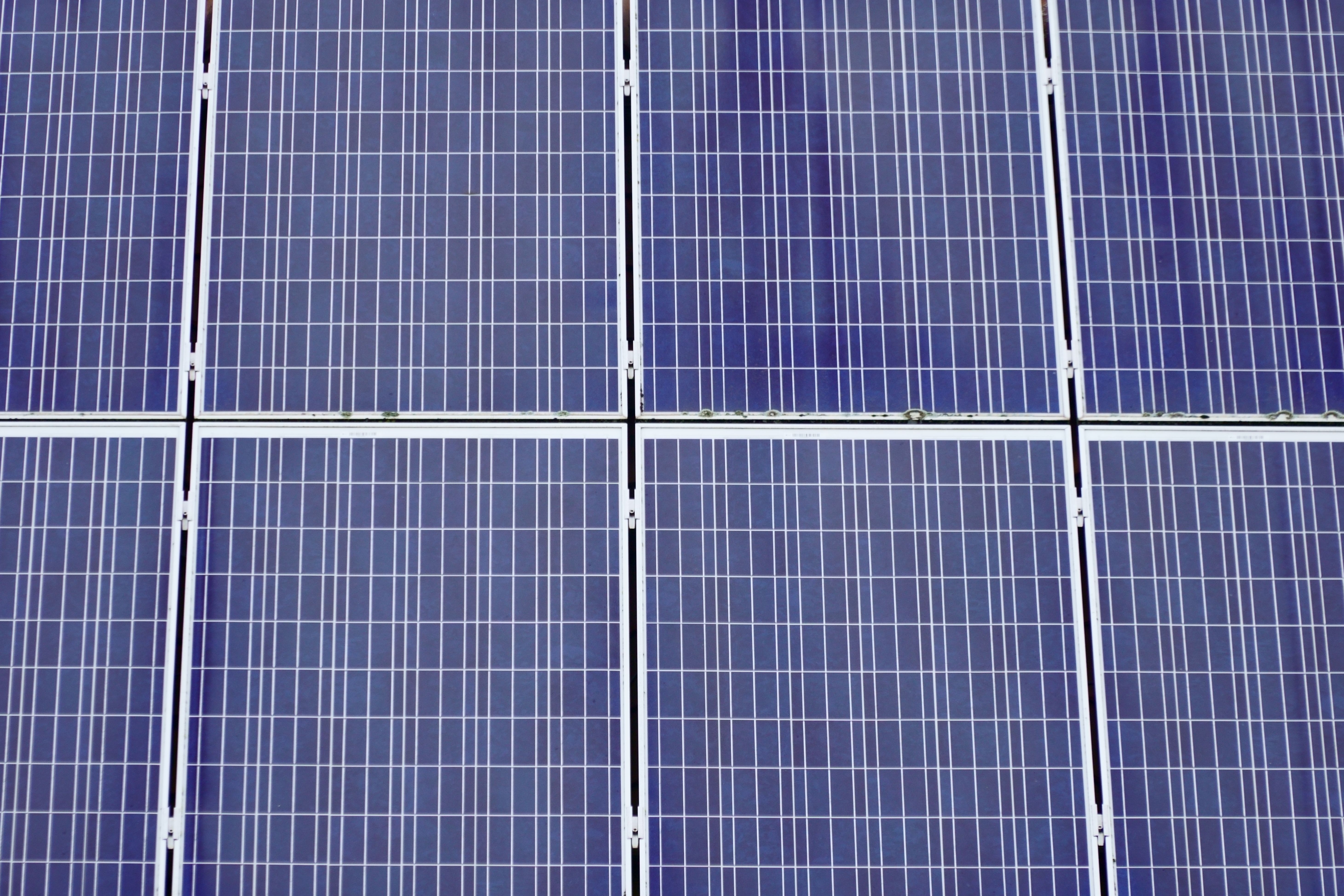
Atomic Summary: Every solar panel carries two separate warranties. The "product warranty" (12 to 25 years) covers manufacturing defects like delamination and junction box failure. The "performance warranty" (25 to 30 years) only guarantees the panel will not degrade below 80% to 87.4% of rated wattage. In Pakistan, warranty claims require purchase from an authorized dealer, original invoices, and panel serial numbers. Buying from unauthorized sources or using counterfeit panels makes warranty claims virtually impossible.
Every solar installer in Pakistan promises you a "25-year warranty" to close the sale. But when your panel starts underperforming in year 8 or develops a brown hotspot in year 14, you discover the hard truth: the warranty you thought would save you may not cover what you think it does. Understanding the fine print before you buy can save you hundreds of thousands of rupees later.
The Two Types of Solar Panel Warranties
Solar panel manufacturers issue two distinct warranty documents with every panel. These are not interchangeable, and each covers completely different failure modes:
1. Product Warranty (Materials and Workmanship)
This warranty covers physical manufacturing defects that cause the panel to malfunction. Think of it as the panel's "hardware warranty," similar to the warranty on your phone or laptop.
What it covers:
- Delamination (the protective layers separating from the solar cells)
- Junction box failure or water ingress
- Frame corrosion or structural defects
- Glass cracking from manufacturing stress (not from hail or impact)
- Cell interconnect failures (solder bond issues)
- Bypass diode failure
What it does NOT cover:
- Physical damage from hail, storms, or impact events
- Damage from improper installation or handling
- Damage from stepping on the panel
- Normal wear and tear or cosmetic discoloration
- Damage from using harsh chemicals during cleaning
2. Performance Warranty (Power Output Guarantee)
This warranty guarantees that the panel's power output will not drop below a specified percentage of its nameplate rating over time. All solar panels naturally degrade as they age, losing a small fraction of their efficiency each year due to light-induced degradation (LID) and other factors.
A typical performance warranty structure looks like this:
- Year 1: Panel must produce at least 97% to 98% of rated wattage
- Year 2 to 25 (or 30): Annual degradation must not exceed 0.4% to 0.55% per year
- End of warranty: Panel must still produce at least 80% to 87.4% of rated wattage
Alert: The performance warranty does NOT mean the manufacturer will replace your panel if it simply "feels" like it is generating less power. You must provide independently measured proof (using calibrated testing equipment like an I-V curve tracer) showing that the panel's output has dropped below the warranted threshold. This testing is expensive and rarely done by homeowners.
Warranty Comparison: Top Brands in Pakistan (2026)
| Brand | Product Warranty | Performance Warranty | End-of-Life Output | Annual Degradation |
|---|---|---|---|---|
| LONGi (Hi-MO 7) | 15 years | 25 years | 84.8% | 0.45%/year |
| Jinko (Tiger Neo) | 12 to 25 years | 30 years | 87.4% | 0.40%/year |
| Canadian Solar (HiKu) | 12 to 25 years | 25 years | 84.0% | 0.55%/year |
| Trina (Vertex S+) | 15 to 25 years | 25 years | 84.8% | 0.45%/year |
| JA Solar (DeepBlue) | 12 to 25 years | 25 years | 84.0% | 0.55%/year |
Alert: Product warranty lengths vary significantly based on the specific panel series, not just the brand name. A LONGi Hi-MO 7 may have a different warranty than a LONGi Hi-MO 5. Always verify the warranty document specific to your exact panel model number by checking your panel's datasheet.
Why N-Type TOPCon Panels Have Better Warranties
The newest generation of N-Type TOPCon solar cells have inherently lower degradation rates than older P-Type PERC technology. This is because N-Type silicon is less susceptible to Light-Induced Degradation (LID) and Light and Elevated Temperature Induced Degradation (LeTID), which are the two main mechanisms that cause P-Type panels to lose efficiency over time.
As a result, Tier-1 manufacturers are now offering:
- Extended product warranties of up to 25 years (previously 10 to 12 years)
- Performance warranties stretching to 30 years (previously 25 years)
- End-of-life output guarantees of 87% or higher (previously 80%)
- First-year degradation of only 1% (previously 2% to 3%)
How to File a Warranty Claim in Pakistan
Filing a warranty claim in Pakistan involves several steps. Here is the process:
- Document the issue: Take clear photos and videos of the defective panel, including close-ups of any visible damage, discoloration, hotspots, or delamination. Record the panel's serial number (printed on the rear label).
- Check your documentation: Gather your original purchase invoice, dealer authorization certificate, and the specific warranty document for your panel model.
- Contact the dealer first: Reach out to the dealer or installer who sold you the panels. They are your first point of contact for all warranty claims. If they are still operational, they will process the claim with the distributor.
- If the dealer is closed: Contact the brand's official Pakistan distributor directly. Provide your serial numbers and proof of purchase. Read our guide on what to do when your installer goes out of business.
- Independent testing (for performance claims): For performance warranty claims, you will need an independent I-V curve test showing that the panel's output has dropped below the warranted threshold. This typically costs Rs. 5,000 to 15,000 per panel through a certified testing lab.
- Replacement or refund: If the claim is approved, the manufacturer typically replaces the defective panel with a current-production panel of equal or greater wattage, or provides a prorated refund based on the remaining warranty period.
What Voids Your Solar Panel Warranty
Manufacturers look for any reason to deny a warranty claim. Avoid these common mistakes that void coverage:
- Purchasing from unauthorized dealers: If your dealer is not authorized by the brand, the manufacturer has no obligation to honor the warranty. This is the number one reason claims are denied in Pakistan. To avoid this, learn to spot counterfeit panels.
- Improper installation angle: Installing panels flat (0 degree tilt) in areas with heavy rain can cause water pooling, leading to seal degradation. Manufacturers require a minimum 10 to 15 degree tilt.
- Stepping on panels: Walking on solar panels during installation or maintenance causes micro-cracks in the silicon cells that are invisible to the naked eye but grow over time. These micro-cracks are detectable through electroluminescence (EL) testing and will void your warranty.
- Harsh chemical cleaning: Using bleach, acid-based cleaners, or abrasive scouring pads damages the anti-reflective coating. Only use clean water, a soft brush, and mild soap if needed.
- Missing grounding: Failing to properly earth/ground your solar system voids the warranty and creates a serious safety hazard.
- Unauthorized modifications: Any modifications to the panel's wiring, junction box, or frame void the warranty immediately.
The "25-Year Warranty" Marketing Trick Explained
When an installer tells you "yeh panel ki 25 saal warranty hai" (this panel has a 25-year warranty), they are almost always referring to the performance warranty, not the product warranty. Here is why this distinction matters with a real-world example:
Suppose you buy a 550W panel with a 12-year product warranty and 25-year performance warranty. In year 14, the panel's junction box fails due to a manufacturing defect, and the panel stops generating power entirely. Since the 12-year product warranty has expired, the manufacturer will deny your claim, even though you are well within the 25-year performance warranty period. The performance warranty only covers degradation, not component failure.
This is why panels with 25-year product warranties (like some newer Jinko Tiger Neo and Trina Vertex S+ series) command a premium. You are paying for 13 extra years of manufacturing defect coverage.
Inverter Warranties: Equally Important
Do not forget that your solar system is only as reliable as its inverter. Most inverters have much shorter warranties than panels:
| Inverter Brand | Standard Warranty | Extended Warranty (Paid) |
|---|---|---|
| Solis | 5 years | Up to 10 years |
| Growatt | 5 years | Up to 10 years |
| Huawei | 5 years | Up to 15 years |
| GoodWe | 5 years | Up to 10 years |
Since inverters are the most failure-prone component (containing electronic boards, capacitors, and fans that wear out), strongly consider purchasing the extended warranty at the time of installation. For more on choosing the right inverter, read our inverter buying guide.
The Bottom Line: How to Protect Your Warranty
- Buy only Tier-1 panels from authorized dealers
- Keep all invoices, serial number records, datasheets, and warranty certificates in a safe place
- Photograph your installation (including serial number labels) on the day of commissioning
- Follow proper cleaning and maintenance procedures
- Ensure proper grounding, correct tilt angle, and professional installation
- Consider extended inverter warranties at the time of purchase
Frequently Asked Questions
What is the difference between a solar panel product warranty and performance warranty?
A product warranty (also called materials and workmanship warranty) covers physical manufacturing defects like delamination, junction box failure, frame corrosion, and glass cracking. It typically lasts 12 to 25 years. A performance warranty guarantees that the panel will produce at least 80% to 87.4% of its rated wattage after 25 to 30 years. It covers degradation beyond normal limits but does NOT cover physical damage, theft, or installation errors.
Can I claim a solar panel warranty in Pakistan?
Yes, but only if you purchased genuine, A-grade panels from an authorized dealer and have proper documentation including the original invoice, panel serial numbers, and the dealer's authorization certificate. Claims are processed through the local distributor, not the manufacturer directly. If your installer has gone out of business, contact the brand's official Pakistan distributor with your serial numbers and proof of purchase.
What voids a solar panel warranty?
Common warranty voidance reasons include installing panels at incorrect angles causing water pooling, physical damage from improper handling or stepping on panels, using abrasive chemicals for cleaning, unauthorized electrical modifications, failure to properly ground the system, and purchasing from unauthorized dealers who sell B-grade or counterfeit panels.